Colored Glass Value & Price Guide
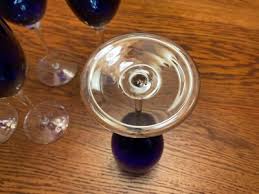
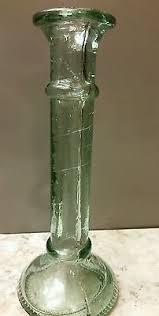
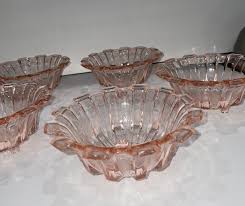
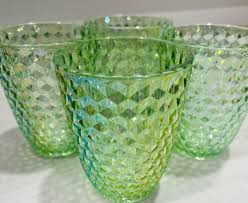
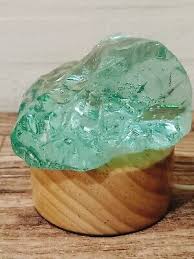
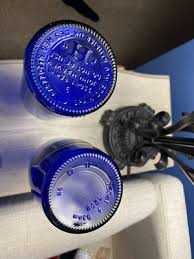
Colored glass collectibles encompass a vibrant spectrum of decorative and functional items, ranging from delicate Depression-era tableware to bold mid-century art glass. These pieces are prized by collectors for their unique chemical compositions, light-refracting properties, and the historical eras they represent.
Price Range: $25 - $40 based on recent sales
History of Colored Glass
The production of colored glass dates back to ancient civilizations, but it saw a significant industrial boom during the late 19th and early 20th centuries. During the Great Depression, manufacturers produced inexpensive 'Depression Glass' in hues of pink, green, and amber to offer a sense of luxury to struggling households. This era was followed by the mid-century modern movement, which introduced bold, saturated tones like cobalt blue and vibrant ruby red. Technological advancements allowed glassmakers to experiment with metallic oxides to achieve specific tints, such as using gold for cranberry glass or cobalt for deep blues. From the marbled appearance of Victorian slag glass to the elegant lines of Italian Empoli decanters, colored glass has remained a staple of interior design and a testament to the evolving chemistry of glassmaking.
Value Factors for Colored Glass
The typical price range for Colored Glass is $25 - $40 based on recent sales. However, values can vary depending on the item's condition, rarity, and other factors such as:
- Rarity of the color, with certain shades like amethyst or true red often fetching higher prices than common greens or ambers.
- Condition of the glass, specifically the absence of 'sick glass' (permanent cloudiness caused by chemical leaching) or flea bites along the rims.
- Provenance and maker's marks, as authenticated pieces from renowned studios or specific historical periods like the 1930s increase desirability.
- Complexity of the technique, such as the marbling found in slag glass or the intricate patterns of pressed Depression-era molds.
Tips for Buying Colored Glass
- Inspect the glass under a blacklight to identify uranium glass, which will glow bright green, or manganese glass, which often glows a faint peach or lime.
- Check for 'straw marks' or small bubbles (seeds) which are common in antique hand-blown or early pressed glass and can help verify age.
- Examine the base for a pontil mark; a rough scar indicates a hand-blown piece, while a smooth, ground-down circle suggests higher quality craftsmanship.
- Research specific patterns and manufacturers, such as Anchor Hocking or Hazel-Atlas, as certain rare colors like 'Royal Ruby' or 'Delphite' carry higher premiums.
Items in This Collection
Have an antique to identify?
Get an instant AI appraisal with values, history, and market insights.
Download for iPhone