Embroidered Doily Value Guide
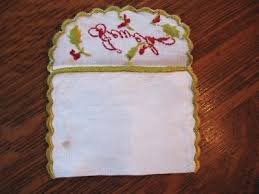
- Period
- 1920-1940
- Origin
- United States
- Materials
- Cotton, embroidery floss
- Category
- Embroidered doily
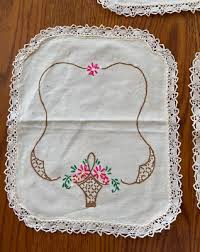
This square hand-embroidered doily from the 1920-1940 era represents a peak in American domestic artistry, featuring a charming basket of flowers motif. Its distinctive red and white scalloped crocheted edge showcases the meticulous handiwork used to protect and decorate furniture during the early 20th century.
What Is Embroidered Doily Worth?
The typical price range for Embroidered Doily is $15 - $25 based on recent sales. However, values can vary depending on the item's condition, rarity, and other factors such as:
- Condition of the cotton, specifically the absence of age spots, fraying, or bleeding from the red embroidery floss.
- The complexity and density of the floral embroidery and the precision of the scalloped crochet work.
- Provenance or evidence that the piece was a preserved family heirloom, which maintains the textile's structural integrity.
- Market demand for specific color palettes, with the vibrant red and white combination often fetching the $15-$25 price range.
How to Identify Embroidered Doily?
- Look for the specific basket of flowers embroidery motif centered on a square cotton base.
- Examine the perimeter for a hand-crocheted scalloped edge in a contrasting red and white color scheme.
- Check the reverse side for irregular knots and thread paths indicative of authentic hand-embroidery rather than machine work.
- Verify the material is natural cotton fabric and floss consistent with United States production from 1920-1940.
History of Embroidered Doily
Doilies gained significant popularity in the Victorian era as decorative and protective coverings for furniture, often placed under ornaments or food items. The intricate embroidery and crocheted edges demonstrate the meticulous handiwork common in domestic arts during the early to mid-20th century. These pieces were not merely functional but were expressions of personal skill and aesthetic sensibilities, often passed down through generations or given as thoughtful gifts.
Shop Similar
Vintage Ephemera Pack 14 Digital Junk Journal Kit …
etsy.com · $3
Vintge Society Silk Jewelry Pouch Envelope Embroid…
ebay.com · $7
Antique Hand Embroidered Cotton Table/Bureau Runne…
ebay.com · $18
Vintage Handmade Table Runner - Etsy
etsy.com · $20
3 Pc Vintage Hand Embroidered Beige Doilies or Ant…
ebay.com · $23
Mixed Lot of Vintage Embroidered Table Linens Dres…
ebay.com · $25
Related Items
Have an antique to identify?
Get an instant AI appraisal with values, history, and market insights.
Download for iPhone