Fijian Tapa Cloth Value Guide
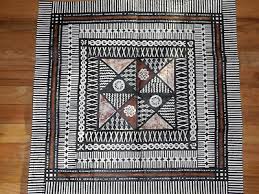
- Period
- Mid 20th Century
- Origin
- Fiji
- Materials
- Bark cloth, natural dyes, wood frame
- Category
- Fijian tapa cloth
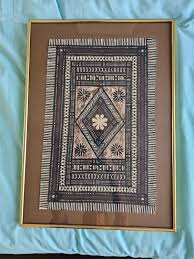
This mid-20th century Fijian Tapa cloth, or masi, represents a vital cultural art form crafted from the inner bark of the paper mulberry tree. These pieces are highly collectible due to their labor-intensive communal production and their historical role as ceremonial attire and currency in Pacific Island societies.
What Is Fijian Tapa Cloth Worth?
The typical price range for Fijian Tapa Cloth is $250 - $250 based on recent sales. However, values can vary depending on the item's condition, rarity, and other factors such as:
- The complexity and precision of the hand-painted or stenciled geometric patterns significantly impact the market price.
- Physical condition is paramount; value is preserved when the cloth is professionally framed to protect against moisture and tearing.
- The size of the piece and the vibrancy of the natural dyes used in the decoration.
- Historical provenance or documentation linking the piece to specific Fijian communal production or mid-century collection.
How to Identify Fijian Tapa Cloth?
- Look for the distinct texture of hand-beaten paper mulberry bark, which should show slight organic variations in thickness.
- Identify the use of traditional natural dyes and pigments, typically appearing in earthy tones of black, brown, and rust.
- Examine the geometric motifs and symbols of status which are characteristic of authentic Fijian masi designs.
- Check for signs of age consistent with mid-20th century origin, such as natural softening of the fibers or slight fading of pigments.
History of Fijian Tapa Cloth
Tapa cloth, or masi, is a significant cultural art form throughout the Pacific Islands. In Fiji, masi played a crucial role in society, used for clothing, ceremonies, and as a form of currency. The process of making masi involves stripping the inner bark of the paper mulberry tree, beating it into thin sheets, and then joining and decorating these sheets with natural dyes and pigments, often depicting symbols of status or natural elements. Its creation is a communal effort, often passed down through generations of women.
Shop Similar
LOT(EE) Folk Art Handmade FIJI Intricate Bark Tapa…
ebay.com · $125
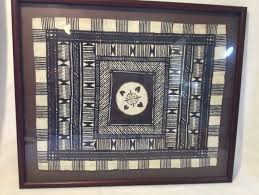
VINTAGE FRAMED POLYNESIAN BARK CLOTH..FOLK ART...2…
ebay.com · $145
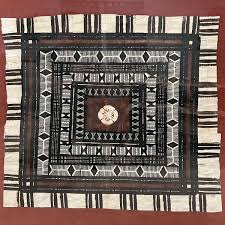
33x30 Framed Tapa Bark Tribal Pattern Art Vintage …
ebay.com · $150
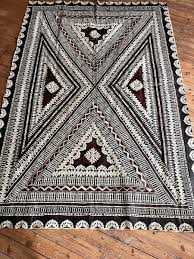
Large Fijian tapa cloth – French Loft
frenchloft.com · £650
A Framed Piece of Fijian Tapa Cloth - Etsy
etsy.com
United Colors of Benetton Polyester Scarf Vintage …
etsy.com
Have an antique to identify?
Get an instant AI appraisal with values, history, and market insights.
Download for iPhone