Glass Button Value Guide
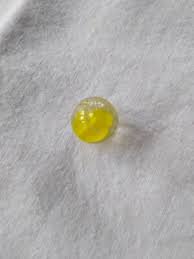
- Period
- 1900-1940
- Origin
- Likely Czechia or Germany
- Materials
- Glass
- Category
- Glass button
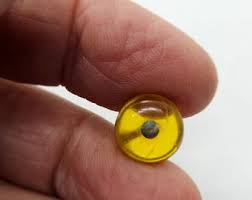
This translucent yellow glass button is a classic example of early 20th-century Bohemian craftsmanship, likely originating from renowned glassworks in Czechia or Germany. These pieces are highly collectible because they were designed to mimic expensive gemstones, offering a durable and vibrant alternative for high-fashion garments of the era.
What Is Glass Button Worth?
The typical price range for Glass Button is $2 - $5 based on recent sales. However, values can vary depending on the item's condition, rarity, and other factors such as:
- The specific shade and clarity of the yellow glass, with brighter or rarer tints commanding higher interest.
- Overall physical condition, specifically the presence of chips, scratches, or dulling on the polished surface.
- Historical provenance, particularly if the button can be definitively traced to a specific Czech or German glasswork.
- The complexity of the design, as mold-pressed patterns are often more desirable than plain surfaces.
How to Identify Glass Button?
- Look for signs of mold-pressing or hand-cutting techniques common in early 20th-century Bohemian production.
- Examine the clarity and consistency of the translucent yellow glass for a polished, gemstone-like finish.
- Check the shank or attachment point for wear consistent with use on garments between 1900 and 1940.
- Identify the specific 'Bohemian' style, characterized by vibrant colors and artisanal glass-working methods.
History of Glass Button
Glass buttons have been used in fashion for centuries, often crafted in Bohemian glassworks which were renowned for their skilled artisans. They became particularly popular during the 19th and early 20th centuries, prized for their ability to mimic gemstones and their diverse colors and designs. Early glass buttons were typically mold-pressed or cut, and they remain a significant area of antique collecting today.
Shop Similar
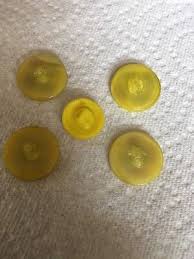
Vintage Yellow & Gold 7/8" Glass Buttons 3/4" Lust…
ebay.com · $6
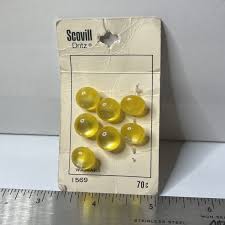
Vintage Scoville Dritz Carded Buttons YELLOW TRANS…
ebay.com · $10
Lot of 75 Antique Vintage Marbles Opaque Swirl Sho…
ebay.com · $30
1970 Chemtoy Super ball Don Kessinger Cubs Origina…
ebay.com
Vintage Buttons 1 Small Yellow Charmstring, Glass …
etsy.com
200 Carat Citrine - Etsy
etsy.com
Have an antique to identify?
Get an instant AI appraisal with values, history, and market insights.
Download for iPhone