Hemingray-45 Glass Insulator Value Guide
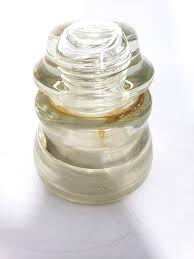
- Period
- 1930-1950
- Origin
- United States
- Materials
- Glass
- Category
- Hemingray insulator
The Hemingray-45 is a quintessential piece of American industrial history, serving as a standard for telephone and telegraph lines between 1930 and 1950. Produced by the world's largest insulator manufacturer, its heavy glass construction and functional design make it a popular entry-point for glass collectors.
What Is Hemingray-45 Glass Insulator Worth?
The typical price range for Hemingray-45 Glass Insulator is $8 - $12 based on recent sales. However, values can vary depending on the item's condition, rarity, and other factors such as:
- Condition is paramount; chips on the drip points or cracks in the wire groove significantly reduce the $8-$12 value.
- Clarity of the glass affects desirability, with 'sick' or cloudy glass being less valuable than crisp, clear examples.
- The presence of original manufacturing bubbles or unique glass swirls can sometimes add slight interest for specialized collectors.
- Market demand for industrial decor keeps the value stable for specimens with sharp, legible embossing.
How to Identify Hemingray-45 Glass Insulator?
- Look for the embossed 'HEMINGRAY-45' text clearly visible on the skirt of the clear glass body.
- Check for the characteristic 'drip points' or smooth base edges typical of Hemingray's mid-century production techniques.
- Verify the presence of a threaded inner pinhole designed to secure the unit to wooden crossarm pegs.
- Confirm the authentic clear glass color, as these were mass-produced in transparent glass rather than rare aqua or cobalt shades.
History of Hemingray-45 Glass Insulator
The Hemingray Glass Company, founded in 1848, became the world's largest manufacturer of glass insulators. The No. 45 model was a standard design used extensively for telephone and telegraph lines throughout North America during the mid-20th century. These items were designed to prevent the loss of electric current from the wires to the poles.
Shop Similar
Glass Christmas Tree Candy Jar | EstateSales.org
estatesales.org · $1
Vintage Hemingray-45 Heavy Clear Glass Electric In…
ebay.com · $8
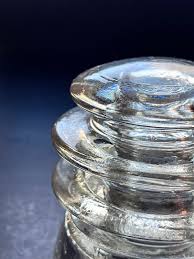
Clear insulator , Armstrong Like new | Mercari
mercari.com · $8
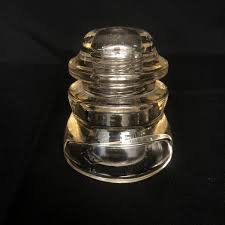
Vintage Dominion Glass 42 Insulator - Etsy
etsy.com · $13
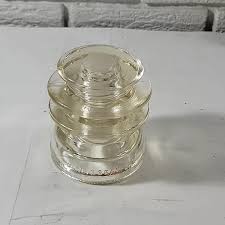
Hemingray | Accents | Vintage Hemingray 56 Electri…
poshmark.com · $14
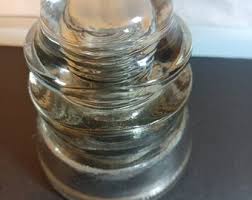
Vintage Armstrong DP 1 Clear Glass Insulator - Mad…
etsy.com · $15
Related Items
Have an antique to identify?
Get an instant AI appraisal with values, history, and market insights.
Download for iPhone