Armstrong No. 2 Glass Insulator Value Guide
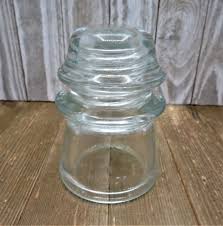
- Period
- 1938-1960
- Origin
- United States
- Materials
- Glass
- Category
- Armstrong insulator
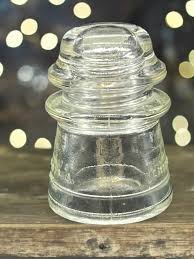
The Armstrong No. 2 Glass Insulator is a staple of mid-century American telecommunications, produced after the Armstrong Cork Company acquired Whitall Tatum in 1938. These clear glass pieces are highly collectible for their rounded dome design and their historical role in preventing current loss on telegraph and telephone lines.
What Is Armstrong No. 2 Glass Insulator Worth?
The typical price range for Armstrong No. 2 Glass Insulator is $10 - $11 based on recent sales. However, values can vary depending on the item's condition, rarity, and other factors such as:
- Glass clarity and the absence of 'milky' oxidation or mineral staining from outdoor exposure.
- Physical condition, specifically looking for chips on the base or 'flea bites' on the wire groove.
- The presence of original manufacturing marks or mold numbers which can indicate specific production runs.
- Market demand among 'pole climber' hobbyists seeking to complete sets of Armstrong-era utility glass.
How to Identify Armstrong No. 2 Glass Insulator?
- Look for the 'Armstrong' name embossed in block letters on the skirt of the glass.
- Verify the 'No. 2' model designation which indicates the specific size and wire groove configuration.
- Check for the double-petticoat design, featuring an inner glass layer intended to keep the pin dry.
- Confirm the material is clear glass, as these were standardized for industrial utility during the 1938-1960 era.
History of Armstrong No. 2 Glass Insulator
These glass insulators were essential components of the early telecommunications infrastructure in the United States. Produced by the Armstrong Cork Company after they acquired the Whitall Tatum Company in 1938, they were used to prevent the loss of electric current from the wires as they passed over wooden poles. They became a symbol of American industrial expansion and are now popular among hobbyists known as pole climbers or insulator collectors.
Shop Similar
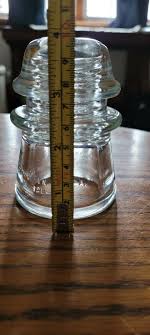
Hemingrey Made In The USA Clear Glass and 48 simil…
bonanza.com · $10
Clear Insulator Hemingray 16 Telegraph Telephone A…
etsy.com · $13
4 4oz Glass Phillips Avent bottles and | Mercari
mercari.com · $20
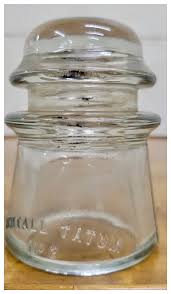
Vintage Whitall Tatum No. 2 Clear Glass Insulator.…
rubylane.com · $22
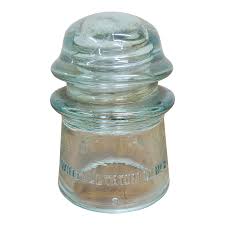
Vintage Whitall Tatum Co No 2 Aqua Glass Insulator…
chairish.com · $24
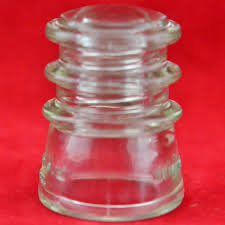
Vintage Hemingray 10 Clear Glass Electrical Teleph…
etsy.com · $73
Related Items
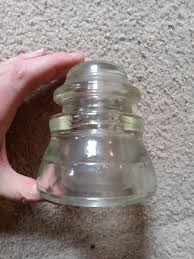
![Vtg HEMINGRAY No. 12 Aqua Glass Insulator - Patent May 2, 1893 [O2] | eBay](https://site-cdn.tryrelic.app/antiques/hemingray-no-12-glass-insulator/0.jpg)
Have an antique to identify?
Get an instant AI appraisal with values, history, and market insights.
Download for iPhone