Jelly Cupboard Value Guide
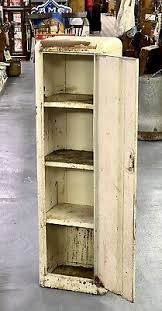
- Period
- 1800-1900
- Origin
- United States
- Materials
- Wood, tin
- Category
- Jelly cupboard
The Jelly Cupboard is a quintessential piece of 19th-century American furniture, prized by collectors for its utilitarian charm and historical role in food preservation. These tall, narrow cabinets were essential fixtures in early kitchens, specifically engineered to protect homemade preserves and jellies from pests and spoilage.
What Is Jelly Cupboard Worth?
The typical price range for Jelly Cupboard is $450 - $550 based on recent sales. However, values can vary depending on the item's condition, rarity, and other factors such as:
- The presence of original paint or a 'milk paint' finish significantly increases the market value.
- Structural integrity and the condition of the wood, including minimal pest damage or warping, are critical.
- Authentic hardware, such as original porcelain knobs or iron latches, adds a premium to the $450-$550 price range.
- Provenance and regional style, particularly pieces originating from early American homesteads, enhance collectibility.
How to Identify Jelly Cupboard?
- Look for a tall, narrow silhouette constructed from period-correct woods like pine, poplar, or cherry.
- Examine the doors for original tin inserts or simple wooden panels designed for ventilation and protection.
- Check for signs of 19th-century craftsmanship, such as hand-cut dovetail joints or square-head nails.
- Verify the presence of interior shelving spaced specifically for the height of traditional canning jars.
History of Jelly Cupboard
Jelly cupboards became popular in American households during the 18th and 19th centuries as a practical solution for storing homemade preserves and other staples. These standalone cabinets were often found in kitchens or pantries, designed to keep food cool, dry, and away from pests. Their simple, utilitarian design reflects the era's focus on functionality and self-sufficiency, making them cherished pieces of early American furniture.
Shop Similar
Antique 48" White Sellers Kitchen Storage Cabinet …
ebay.com · $186
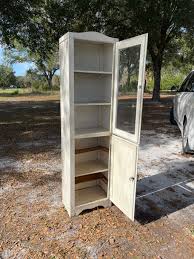
Antique Kitchen Cabinet,chimney Cabinet,jelly Cupb…
etsy.com · $1295
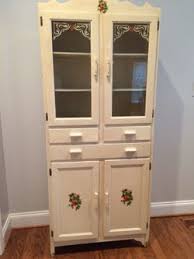
Yellow Vintage China Cabinet at Stanley Creek Trea…
offerup.com
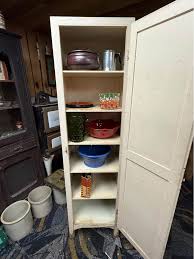
Old cabinet
facebook.com
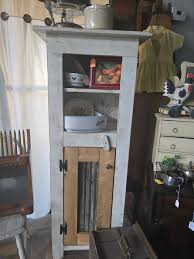
Pretty Dingy Unique... - Pretty Dingy Unique Inter…
facebook.com
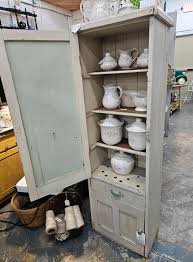
Somewhere In Time Antique... - Somewhere In Time A…
facebook.com
Related Items
Have an antique to identify?
Get an instant AI appraisal with values, history, and market insights.
Download for iPhone