Kodak Brownie Movie Camera Model 2 Value Guide
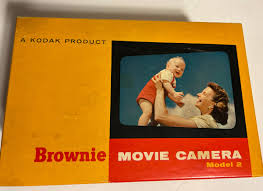
- Period
- 1956-1960
- Origin
- USA
- Materials
- Metal, Plastic, Glass, Cardboard
- Category
- Kodak camera
The Kodak Brownie Movie Camera Model 2 was a revolutionary 8mm device that brought home filmmaking to the American masses between 1956 and 1960. This clockwork-driven camera is highly collectible for its mid-century aesthetic and its role in the 'you press the button, we do the rest' philosophy of amateur cinematography.
What Is Kodak Brownie Movie Camera Model 2 Worth?
The typical price range for Kodak Brownie Movie Camera Model 2 is $35 - $45 based on recent sales. However, values can vary depending on the item's condition, rarity, and other factors such as:
- The presence and physical condition of the original red and yellow graphic cardboard box significantly impacts the $35-$45 price point.
- Mechanical functionality of the clockwork motor and the clarity of the fixed-focus glass optics.
- Cosmetic preservation of the metal housing, including the absence of corrosion or heavy paint wear.
- Completeness of the set, including any original paper manuals or internal spool accessories.
How to Identify Kodak Brownie Movie Camera Model 2?
- Look for the distinct metal and plastic body construction typical of the late 1950s USA production.
- Verify the presence of the original yellow and red graphic retail box which specifically identifies the 'Model 2' designation.
- Check for the fixed-focus glass lens and the mechanical winding key used for the clockwork motor.
- Confirm the internal film chamber is designed for standard 8mm roll film rather than later Super 8 cartridges.
History of Kodak Brownie Movie Camera Model 2
Introduced in the mid-1950s, the Brownie Movie Camera Model 2 was Kodak's successful attempt to bring home filmmaking to the masses. It featured a simple clockwork motor and fixed-focus lens, embodying the Brownie philosophy of 'you press the button, we do the rest.' It utilized 8mm roll film, which was a cost-effective alternative to professional formats of the era.
Shop Similar
Kodak Brownie Movie Camera 8 mm. Model 2 No. 77 wi…
ebay.com · $25
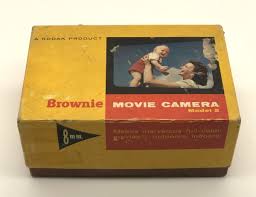
Vintage Kodak Brownie 8mm Movie Camera Model 2 wit…
ebay.com · $25
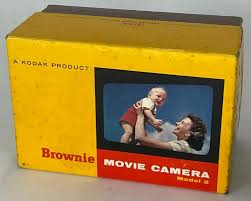
Kodak Brownie 8mm Movie Camera Model 2 II-With Ori…
ebay.com · $40
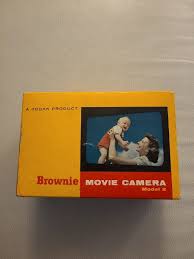
VINTAGE KODAK BROWNIE 8MM MOVIE CAMERA- MODEL 2 IN…
ebay.com · $40
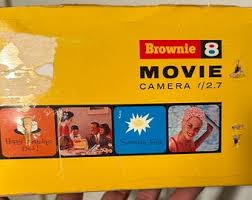
Vintage Eastman Kodak “brownie 8” 8mm Motion Pictu…
etsy.com · $50
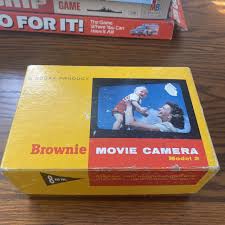
NEW Kodak BROWNIE 8mm MOVIE CAMERA Model 2 | Merca…
mercari.com · $150
Related Items
Have an antique to identify?
Get an instant AI appraisal with values, history, and market insights.
Download for iPhone