Kolhapuri Chappal Value Guide
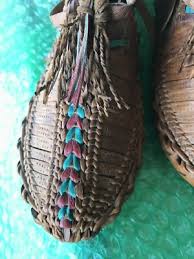
- Period
- 1940-1960
- Origin
- India
- Materials
- Buffalo hide leather, vegetable dye, cotton thread
- Category
- Kolhapuri chappal
These mid-century Kolhapuri Chappals represent a centuries-old tradition of Indian leatherwork originating from the Maharashtra region. Highly collectible for their rugged buffalo hide construction and intricate hand-woven uppers, these 1940-1960 examples showcase the master craftsmanship of the Kolhapur district.
What Is Kolhapuri Chappal Worth?
The typical price range for Kolhapuri Chappal is $160 - $180 based on recent sales. However, values can vary depending on the item's condition, rarity, and other factors such as:
- Overall condition of the vegetable-dyed buffalo hide, specifically looking for suppleness versus cracking or dry rot.
- The complexity and preservation of the hand-woven upper patterns and the presence of the original decorative tassel.
- Historical provenance linking the piece to the 1940-1960 era of Indian handicraft exports.
- Structural integrity of the cotton thread stitching and the wear level on the heavy leather soles.
How to Identify Kolhapuri Chappal?
- Look for the signature pointed upturned toe and decorative central tassel characteristic of authentic Kolhapur design.
- Examine the leather for signs of traditional vegetable tanning, which gives the buffalo hide a distinct organic texture and aging pattern.
- Identify the intricate hand-woven cotton thread patterns on the upper strap, a hallmark of mid-century artisanal production.
- Check for the thick, multi-layered buffalo hide sole designed to produce a specific 'clacking' sound when walking.
History of Kolhapuri Chappal
Originating from the Kolhapur district in Maharashtra, India, these sandals date back to the 12th century. They were originally designed for rugged use in mountainous terrain and were made from water buffalo hide tanned using vegetable dyes. The distinct 'clacking' sound they make when walking and the intricate weaving are hallmarks of the master craftsmen who have passed down these techniques for generations.
Shop Similar
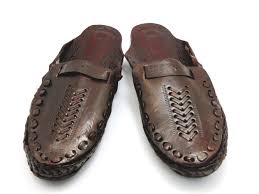
Ethnic Unisex Indian Kholapuri Leather Chappals/sa…
etsy.com · $48
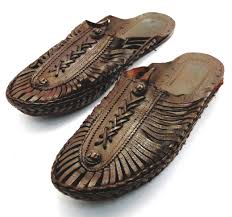
Ethnic Unisex Indian Kholapuri Leather Chappals/sa…
etsy.com · $49
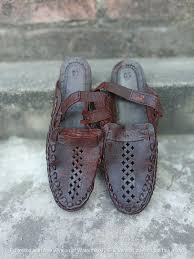
Vintage Dark Brown Leather Kolhapuri Sandal Shoes …
etsy.com · $49
Vintage New and Unused Pre-War Leather Polynesian …
ebay.com · $180
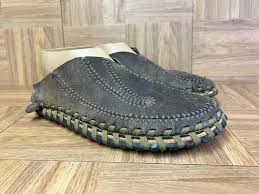
RARE Sz 11 - Nike Considered ACG Long Ball Slip-…
ebay.com · $200
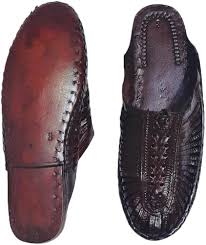
FOOT N TOE Kolhapuri Chappal for Mens MK_92 (BROWN…
amazon.in · ₹999
Have an antique to identify?
Get an instant AI appraisal with values, history, and market insights.
Download for iPhone