Lysol Bottle Value Guide
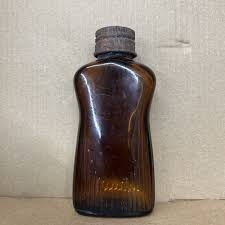
- Period
- 1930-1950
- Origin
- United States
- Materials
- Amber glass
- Category
- Lysol bottle
This 1930-1950 amber glass Lysol bottle is a significant artifact from the era when Gustav Raupenstrauch's disinfectant became a household staple in the United States. Its distinctive ribbed design and threaded neck represent a period when the brand transitioned from medical cholera prevention to widespread domestic sanitation and controversial personal hygiene marketing.
What Is Lysol Bottle Worth?
The typical price range for Lysol Bottle is $10 - $15 based on recent sales. However, values can vary depending on the item's condition, rarity, and other factors such as:
- Condition of the glass, specifically the absence of 'sickness' or cloudiness and the presence of original luster.
- The presence of an original paper label, which significantly increases the value beyond the standard $10-$15 range.
- Intact original closures, such as the period-correct metal or bakelite screw caps.
- Clarity of the embossed details and the absence of chips or cracks along the threaded rim.
How to Identify Lysol Bottle?
- Look for the characteristic deep amber glass color used to protect the chemical contents from light degradation.
- Identify the specific ribbed texture on the lower body of the bottle, which provided a better grip for wet hands.
- Check for a threaded neck finish, which distinguishes these mid-century mass-produced examples from earlier cork-top versions.
- Verify the presence of embossed lettering or base marks consistent with U.S. glass manufacturers from the 1930s to 1950s.
History of Lysol Bottle
Lysol was first introduced in 1889 by Gustav Raupenstrauch in Germany as a medical disinfectant to combat cholera. It was quickly adopted worldwide for its antiseptic properties. By the early 20th century, Lysol was marketed extensively for household sanitation and personal hygiene, including controversial advertisements promoting it as a feminine hygiene product. Early bottles like this one are artifacts of a time when the product was establishing its ubiquitous presence in homes and medical settings.
Shop Similar
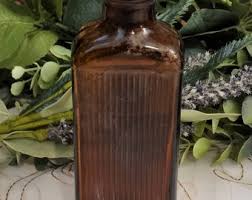
Antique Amber Brown Ribbed Poison Bottle 1930's Ow…
etsy.com · $9
Vintage Lysol Bottle L&F Product Corp | eBay
ebay.com · $10
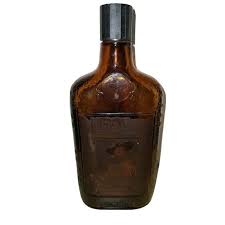
Lord Calvert | Other | 952 Amber 9in Bottle Heavil…
poshmark.com · $17
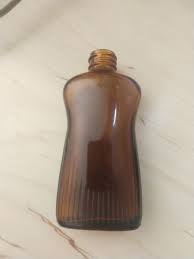
Amber Bottle Assortment 7pc Early To Mid 1900's Ap…
ebay.com · $25
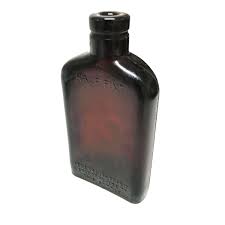
Breakaway Half Pint Flask Bottle Prop – Abracadabr…
abracadabranyc.com · $31
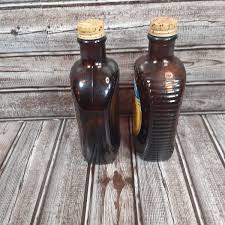
VTG Log Cabin Syrup Bicentennial Collectors Amber …
ebay.com
Related Items
Have an antique to identify?
Get an instant AI appraisal with values, history, and market insights.
Download for iPhone