Mutoscope Card Value Guide
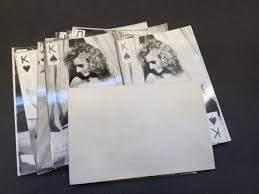
- Period
- 1900-1920
- Origin
- United States
- Materials
- Cardboard, ink
- Category
- Mutoscope card
Mutoscope cards are iconic artifacts of early 20th-century arcade culture, originally used in coin-operated flip-book machines to create short animated sequences. Often featuring risqué imagery known as 'What the Butler Saw,' these cardboard collectibles represent a pivotal moment in the evolution of motion pictures and peep-show entertainment.
What Is Mutoscope Card Worth?
The typical price range for Mutoscope Card is $10 - $20 based on recent sales. However, values can vary depending on the item's condition, rarity, and other factors such as:
- Subject matter rarity, with more suggestive or 'risqué' imagery often commanding higher interest from niche collectors.
- Physical condition of the cardboard, specifically looking for a lack of creases, foxing, or moisture damage.
- The presence of original numbering or series marks that indicate the card's place in a specific animated sequence.
- Market demand for early 20th-century American arcade ephemera and 'What the Butler Saw' memorabilia.
How to Identify Mutoscope Card?
- Look for the characteristic thick cardboard stock used for durability within the Mutoscope viewing machine.
- Check for a small hole or notch at the base of the card where it was originally attached to the machine's central reel.
- Verify the 1900-1920 era printing style, which typically features monochromatic or sepia-toned ink illustrations of women.
- Confirm the dimensions are consistent with standard American Mutoscope and Biograph Company reel cards.
History of Mutoscope Card
Mutoscope cards, often referred to as 'What the Butler Saw' cards in some regions, were popular in the late 19th and early 20th centuries. These cards were part of a coin-operated viewing machine, the Mutoscope, which showed a series of images in quick succession, creating a short animated clip. Many Mutoscope cards featured risqué or suggestive imagery, making them a form of early peep-show entertainment. They were widely popular in arcades and amusement parks.
Shop Similar
Vintage Nude Playing Cards, Sweet, Topless, From 1…
etsy.com
481848 USSR nude girl erotica playing card for ill…
hippostcard.com
Postcard, erotica, beginning of 20th cent., 14.4 x…
vitber.com
NUDE WOMAN EUROPEAN WHISKEY FAUX TREE BARK LOG DEC…
worthpoint.com

The ORIGINAL original ITAOTS postcard : r/neutralm…
reddit.com
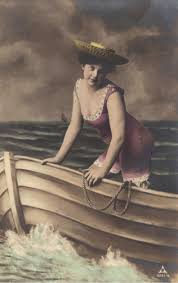
Erotic French postcard taken in the early 1900s in…
facebook.com
Have an antique to identify?
Get an instant AI appraisal with values, history, and market insights.
Download for iPhone