Occupied Japan Value & Price Guide
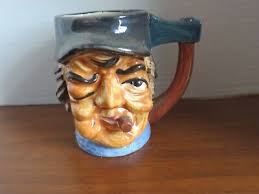
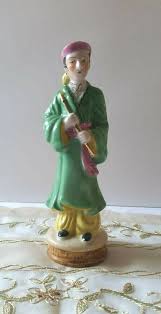
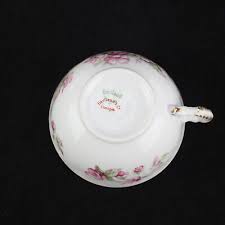
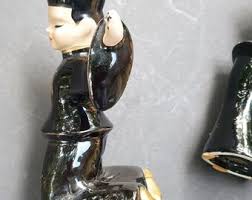
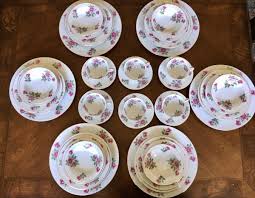
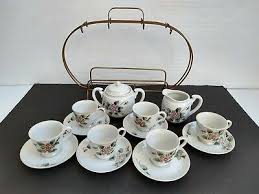
Occupied Japan collectibles represent a unique era of post-WWII history, encompassing items produced during the Allied occupation from 1945 to 1952. These pieces are highly sought after by historians and vintage enthusiasts for their distinct markings and cultural significance.
Price Range: $25 - $33 based on recent sales
History of Occupied Japan
Following the end of World War II, the Allied forces occupied Japan from August 1945 until April 1952. During this period, the Supreme Command of the Allied Powers mandated that all goods manufactured for export be labeled with 'Occupied Japan' or 'Made in Occupied Japan' to track trade and rebuild the Japanese economy. This directive resulted in a massive influx of affordable ceramics, toys, and household goods into the Western market, particularly the United States. Today, these items serve as tangible artifacts of a nation in transition, reflecting both traditional Japanese craftsmanship and the influence of Western consumer tastes during the reconstruction era.
Value Factors for Occupied Japan
The typical price range for Occupied Japan is $25 - $33 based on recent sales. However, values can vary depending on the item's condition, rarity, and other factors such as:
- The presence and clarity of the 'Occupied Japan' backstamp or engraved mark.
- The complexity of the item, with mechanical novelties and multi-piece tea sets holding higher value than simple miniatures.
- The condition of the hand-painted details, particularly on figurines and Toby mugs where facial expressions are key.
- Rarity of the form, such as wall pockets or camera-shaped lighters, which are less common than standard salt and pepper shakers.
Tips for Buying Occupied Japan
- Verify the 'Made in Occupied Japan' or 'Occupied Japan' mark, as this is the primary indicator of authenticity for this specific seven-year window.
- Inspect porcelain and ceramic pieces for 'cold paint' flaking, a common condition issue where paint was applied over the glaze rather than under it.
- Look for specialized manufacturers like Moriyama or Chubu, which often command higher prices than unmarked or generic export pieces.
- Prioritize novelty items like mechanical lighters or complex tea sets, as these are more rare than standard figurines.
Items in This Collection
Have an antique to identify?
Get an instant AI appraisal with values, history, and market insights.
Download for iPhone