Porcelain Teapot Value Guide
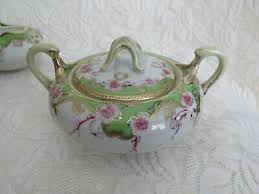
- Period
- 1900-1950
- Origin
- Unknown, likely England or a European country
- Materials
- Porcelain
- Category
- Porcelain teapot
This charming porcelain teapot, dating from 1900 to 1950, showcases the enduring legacy of European hand-painted ceramics inspired by early Chinese imports. Its delicate floral motifs and distinctive green rim reflect the botanical artistic styles popular in England and across the continent during the early 20th century.
What Is Porcelain Teapot Worth?
The typical price range for Porcelain Teapot is $25 - $35 based on recent sales. However, values can vary depending on the item's condition, rarity, and other factors such as:
- Overall condition, specifically the absence of chips on the delicate spout or hairline fractures in the porcelain body.
- The vibrancy and preservation of the hand-painted floral pigments and the green decorative rim.
- Clarity of origin, as identifying a specific European manufacturer can increase the $25-$35 valuation.
- Completeness of the set, such as whether it is a standalone teapot or part of a matching creamer and sugar bowl set.
How to Identify Porcelain Teapot?
- Examine the base for any faint maker's marks or numerical stamps indicative of English or European porcelain factories.
- Look for slight variations in the floral motifs, which confirm the piece was hand-painted rather than transfer-printed.
- Check the glaze for a smooth, glass-like finish characteristic of mid-century porcelain production.
- Verify the green rim for consistent application and signs of age-appropriate wear on the pigment.
History of Porcelain Teapot
Porcelain teapots have been a staple in tea ceremonies and daily life for centuries, originating in China. Their journey to the West began with trade routes, leading to European manufacturers replicating and evolving these designs. Hand-painted floral patterns, like those seen on this piece, were popular from the 18th century onward, often reflecting local botanical interests and artistic styles.
Shop Similar
Beautiful Vintage Gold Trimmed Porcelain Creamer a…
ebay.com · $10
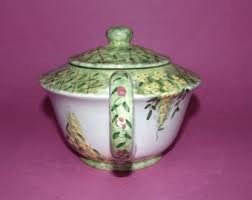
FLOWERS INC. BALLOONS Teapot French Country Flower…
etsy.com · $19
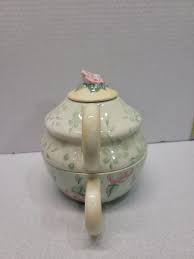
Capriware Ceramic Teapot Tea For One Hand Painted …
ebay.com · $26
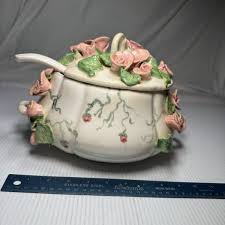
Homemade Hand Painted Blushing Rose Copy Porcelain…
ebay.com · $40
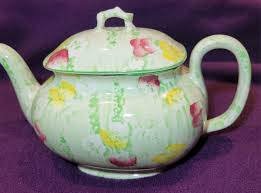
Arthur Wood & Son Teapot Staffordshire England Gre…
ebay.com · $60
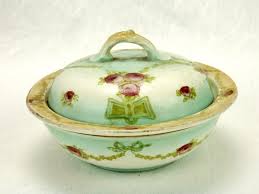
Porcelain Butter Dish w/Lid, Vintage Stoke England…
ebay.com.au
Related Items
Have an antique to identify?
Get an instant AI appraisal with values, history, and market insights.
Download for iPhone