Pounce Pot Value Guide
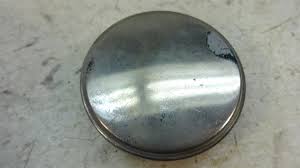
- Period
- 1750-1850
- Origin
- France
- Materials
- Metal
- Category
- Pounce pot
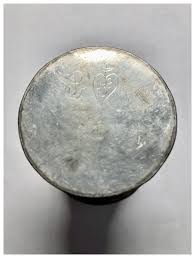
This 18th to 19th-century French pounce pot is a quintessential desk accessory from the era before blotting paper, used to sprinkle absorbent powder over wet ink. Crafted from metal between 1750 and 1850, these functional artifacts represent the sophisticated writing culture of pre-industrial France.
What Is Pounce Pot Worth?
The typical price range for Pounce Pot is $70 - $80 based on recent sales. However, values can vary depending on the item's condition, rarity, and other factors such as:
- The condition of the metal, including the presence of original patina versus modern over-polishing which can decrease value.
- The intricacy of the decorative elements, with highly ornate French designs commanding higher prices than simple utilitarian forms.
- The presence of identifiable maker's marks or stamps that can definitively trace the piece to a specific French workshop between 1750 and 1850.
- The structural integrity of the sifter top, as original, undamaged perforations are essential for maintaining the item's historical value.
How to Identify Pounce Pot?
- Look for a perforated top with small, uniform holes designed for sifting fine powders like pulverized cuttlebone or gum sandarac.
- Examine the metal construction for signs of 18th or 19th-century French craftsmanship, such as specific regional hallmarks or period-appropriate patination.
- Check for a concave top surface, which was specifically designed to allow excess pounce to be easily poured back into the container.
- Verify the size and weight, as authentic metal sanders from this period typically feature a weighted base for stability during use.
History of Pounce Pot
Pounce pots, also known as sanders, were essential desk accessories from the medieval period through the 19th century. Before blotting paper became common, scribes and writers used pounce to absorb excess ink from freshly written documents, preventing smudges and accelerating drying. The pounce itself was often a fine powder made from pulverized cuttlebone, gum sandarac, or other absorbent materials. These pots were frequently crafted from various metals, ceramics, or glass, and their designs ranged from simple utilitarian forms to highly decorative pieces reflecting the artistic styles of their era.
Shop Similar
1970 honda cb100 H849-2~ gas fuel petrol cap 2 | e…
ebay.com
NOS GM 1958-1967 Buick, '64-'65 Oldsmobile Engine …
ebay.com
MARVEL POWER STEERING SEALER CONDITIONER OIL CAN O…
ebay.com
Antique Hot Water Bottle Vase Metal Shabby Vintage…
etsy.com
18th 19th Century Pounce/Sander Pot signed 2 3/4" …
rubylane.com
Metzke | Accents | Vintage Collectible Round 3 Owl…
poshmark.com
Related Items
Have an antique to identify?
Get an instant AI appraisal with values, history, and market insights.
Download for iPhone