Pysanka Eggs Value Guide
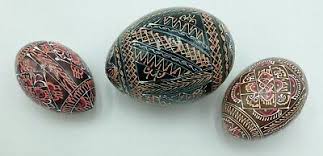
- Period
- 1950-2000
- Origin
- Ukraine
- Materials
- Wood, paint, lacquer
- Category
- Pysanka eggs
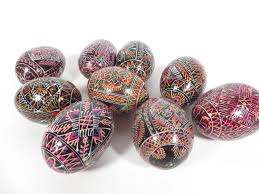
Pysanka Eggs are intricate Ukrainian folk art pieces created using a traditional wax-resist method, where the word 'pysanka' translates to 'to write.' These mid-century wooden collectibles are highly sought after for their deep symbolic meanings, representing health, fertility, and prosperity through complex geometric and floral patterns.
What Is Pysanka Eggs Worth?
The typical price range for Pysanka Eggs is $75 - $120 based on recent sales. However, values can vary depending on the item's condition, rarity, and other factors such as:
- The complexity and precision of the hand-painted symbolic patterns significantly impact the $75-$120 price range.
- Condition of the lacquer coating, as peeling or cracking can reduce the value of these mid-century wooden pieces.
- The presence of specific traditional symbols related to prosperity or health which are more desirable to specialized collectors.
- Authenticity of the 1950-2000 origin, with older or more intricately detailed examples reaching the higher end of the valuation.
How to Identify Pysanka Eggs?
- Look for the characteristic high-gloss lacquer finish applied over hand-painted wooden bases from the 1950-2000 era.
- Identify traditional 'pysaty' writing techniques which feature precise, layered geometric designs and folk motifs.
- Verify the material is solid wood rather than hollowed shell, which was common for export and durability during this period.
- Check for specific Ukrainian regional patterns that distinguish authentic folk art from generic mass-produced imitations.
History of Pysanka Eggs
Pysanky are Ukrainian Easter eggs, decorated with traditional Ukrainian folk designs using a wax-resist method. The word 'pysanka' comes from the verb 'pysaty', meaning 'to write'. These eggs are more than just decorative; they are intricate works of art steeped in ancient symbolism, with patterns and colors carrying specific meanings related to health, fertility, and prosperity. The tradition dates back to pre-Christian times, evolving over centuries to incorporate Christian symbols while retaining much of its original pagan significance.
Shop Similar
Related Items
Have an antique to identify?
Get an instant AI appraisal with values, history, and market insights.
Download for iPhone