Shaman Stone Value Guide
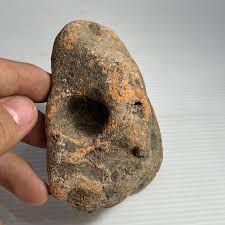
- Period
- Naturally formed over geological time
- Origin
- Varies, found globally in rivers and coastal areas
- Materials
- River stone
- Category
- Shaman stone
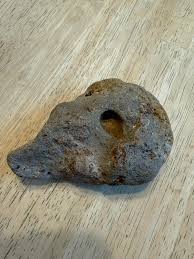
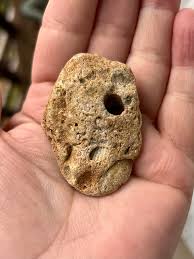
Shaman Stones, also known as Hag Stones or Odin Stones, are unique geological formations prized for their naturally occurring holes created by centuries of water erosion. These stones are highly collectible due to their historical significance as ancient talismans used across European folklore to ward off evil and protect livestock.
What Is Shaman Stone Worth?
The typical price range for Shaman Stone is $10 - $50 based on recent sales. However, values can vary depending on the item's condition, rarity, and other factors such as:
- The size and symmetry of the naturally worn hole significantly impact the stone's aesthetic and market value.
- Overall stone size and unique shapes or textures can increase the price within the $10 to $50 range.
- Provenance or specific geographic origin can add value for collectors seeking stones from historically significant regions.
- The physical integrity of the stone, including the absence of modern cracks or artificial polishing, preserves its collectible worth.
How to Identify Shaman Stone?
- Verify that the hole is naturally occurring through geological water erosion rather than being drilled or man-made.
- Look for smooth, rounded edges within the central aperture, which indicates long-term wear from river or coastal currents.
- Check for the presence of mineral deposits or natural weathering consistent with the stone's riverbed or coastal origin.
- Ensure the stone material is a natural river rock, typically found in various sizes and earthy colors globally.
History of Shaman Stone
Hag stones, also known as Odin stones, witch stones, or shaman stones, are naturally occurring stones with a hole worn through them by water or other elements. Across various cultures, these stones have been considered powerful talismans, believed to ward off evil, promote healing, and bring good luck. They are often associated with folklore and ancient spiritual practices, particularly in European traditions, where they were hung in stables to protect livestock or worn by individuals for personal protection.
Shop Similar
METEORITE Crystal SKULL - San Luis Valley ~ Cosmic…
etsy.com · $98
Unique Rare Ancient Near Eastern Old Terracotta Bu…
etsy.com · $130
Donkerrode steen - Etsy België
etsy.com
Why is my rock disguised as a rotten potatoe? : r/…
reddit.com
Found in Jensen Beach, FL - what did I find? : r/b…
reddit.com
Reflection on life's hardships after visiting a gr…
facebook.com
Have an antique to identify?
Get an instant AI appraisal with values, history, and market insights.
Download for iPhone