Tin Sign Value & Price Guide
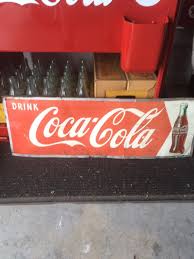
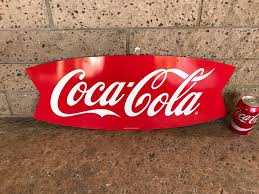
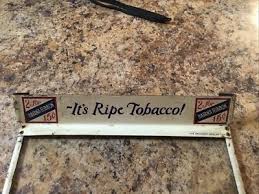
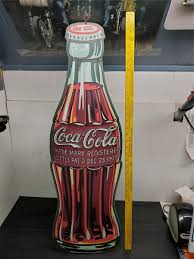
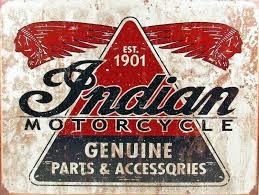
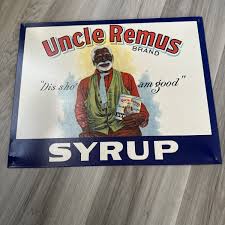
Vintage tin signs are iconic pieces of Americana that served as the primary visual language for retail advertising throughout the 20th century. These lithographed metal pieces range from rare pre-war soda advertisements to modern decorative reproductions, offering a nostalgic aesthetic for any collector.
Price Range: $100 - $150 based on recent sales
History of Tin Sign
The production of tin signs flourished in the late 1800s following the advancement of lithography on metal, allowing companies to mass-produce vibrant, durable advertisements for general stores and gas stations. During the 'Golden Age' of advertising between 1920 and 1950, brands like Coca-Cola and various tobacco companies utilized embossed tin to create 3D effects that caught the shopper's eye. As plastic and neon became more prevalent in the mid-century, the production of high-quality lithographed tin declined, turning these once-disposable advertisements into sought-after historical artifacts. Today, the market is a mix of high-value investment pieces from the early 1900s and affordable nostalgic reproductions produced for the home decor market.
Value Factors for Tin Sign
The typical price range for Tin Sign is $100 - $150 based on recent sales. However, values can vary depending on the item's condition, rarity, and other factors such as:
- Brand desirability, with soda, automotive, and petroleum brands consistently commanding the highest market premiums.
- Condition of the lithography, specifically the lack of 'crazing,' fading from UV exposure, or significant rust in the main graphic area.
- Rarity and age, particularly signs from the pre-WWII era that survived scrap metal drives.
- Subject matter and cultural crossover appeal, such as signs featuring iconic mascots or controversial historical branding.
Tips for Buying Tin Sign
- Inspect the edges and mounting holes for authentic wear, as genuine vintage signs typically show natural oxidation rather than artificial distressing.
- Verify the presence of a maker's mark or lithograph company name, which is often found in small print along the bottom edge of authentic early 20th-century pieces.
- Use a magnet to confirm the material; while most are steel-based tin, some rare early examples may use different alloys that affect preservation and value.
- Distinguish between original lithography and modern digital prints by looking for a smooth, baked-on enamel finish versus a textured ink surface.
Items in This Collection
Have an antique to identify?
Get an instant AI appraisal with values, history, and market insights.
Download for iPhone