Trinitite Value Guide
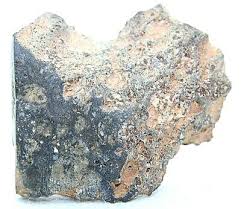
- Period
- 1945
- Origin
- United States
- Materials
- Fused desert sand, various minerals
- Category
- Trinitite
Trinitite is a historically significant glassy residue created on July 16, 1945, during the detonation of the world's first atomic bomb in New Mexico. This unique material was formed when the intense thermal radiation of the Trinity test melted desert sand into a fused, vesicular mineraloid, marking the dawn of the Nuclear Age.
What Is Trinitite Worth?
The typical price range for Trinitite is $100 - $100 based on recent sales. However, values can vary depending on the item's condition, rarity, and other factors such as:
- Specimen size and weight, with larger, intact 'pancakes' commanding significantly higher prices than small fragments.
- Color rarity, as the standard green is common while red Trinitite (containing copper from the bomb's wiring) is highly prized by collectors.
- Provenance and documentation, specifically older collections gathered before the site was buried in the 1950s.
- The presence of unique inclusions or distinct 'bead' shapes formed during the molten phase of the blast.
How to Identify Trinitite?
- Look for the characteristic light olive-green color, though rare red or black variations exist due to iron or copper content.
- Examine the texture for a smooth, glassy top surface and a rough, sandy bottom where it fused with the desert floor.
- Check for a vesicular structure containing small spherical bubbles or voids created by trapped gases during the explosion.
- Verify authenticity through a Geiger counter; genuine specimens should exhibit low-level residual radioactivity, primarily from Cesium-137.
History of Trinitite
Trinitite is a unique and historically significant material formed at the Trinity test site in New Mexico on July 16, 1945, during the detonation of the first atomic bomb. The intense heat of the explosion melted the desert sand and fused it into a glassy material, often greenish in color. It serves as a tangible remnant of a pivotal moment in human history, marking the dawn of the nuclear age.
Shop Similar
Darwinite Darwin Glass Tektite | MoldaviteJewelry.…
moldavitejewelry.com · $20
Silver on Copper Crystals - Rough Specimen- Keween…
etsy.com · $315
Classified Achondrite meteorite NWA 12445 anomalou…
ebay.com · $690
CERUSSITE (CE5) Mineral from Zorzone Mine, Italy |…
ebay.com
Decorative Rocks / Stone From Arizona : Pick Optio…
etsy.com
Rock Identification : r/whatsthisrock
reddit.com
Have an antique to identify?
Get an instant AI appraisal with values, history, and market insights.
Download for iPhone