Vintage Glass Insulator Value Guide
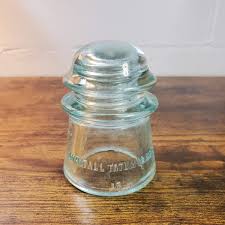
- Period
- 1920-1950
- Origin
- United States
- Materials
- Glass
- Category
- Glass insulators
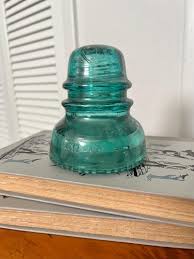
These vintage glass insulators are iconic artifacts of the American industrial era, serving as critical components for telegraph and electrical systems between 1920 and 1950. Their double-skirt profile was specifically engineered to prevent electrical current leakage, making them a fascinating intersection of functional engineering and collectible glass art.
What Is Vintage Glass Insulator Worth?
The typical price range for Vintage Glass Insulator is $15 - $20 based on recent sales. However, values can vary depending on the item's condition, rarity, and other factors such as:
- Overall glass condition, with a focus on avoiding significant chips or 'flea bites' on the fragile base skirts.
- The presence of unique manufacturing characteristics like internal bubbles, swirls, or specific embossing errors.
- The specific Consolidated Design (CD) classification, as some mold shapes are rarer than standard utility models.
- Clarity of the glass, as clear examples must lack significant clouding or mineral staining from years of outdoor exposure.
How to Identify Vintage Glass Insulator?
- Look for embossed manufacturer names such as Hemingray, Whitall Tatum, or Armstrong's on the base or crown.
- Identify the specific Consolidated Design (CD) number, which is the standard classification system used by insulator collectors.
- Verify the double-skirt profile, characterized by an inner glass 'petticoat' designed to keep the wooden pin dry.
- Check for the heavy, thick-walled glass construction typical of United States utility production from the mid-20th century.
History of Vintage Glass Insulator
Glass insulators were critical to the development of telegraph and telephone systems in the 19th century and later for electric power. Designed to prevent electrical current leakage into the supporting wooden poles, they were produced in countless styles and colors by companies such as Hemingray, Whitall Tatum, and Armstrong's. Collecting these artifacts, often classified by their Consolidated Design number, became a popular hobby, preserving a tangible link to early industrial infrastructure.
Shop Similar
Rare Vintage Whitall Tatum Co. No.2 Glass Insulato…
ebay.com · $12
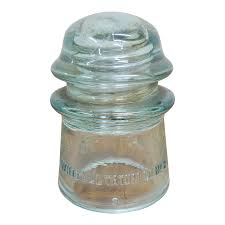
Vintage Whitall Tatum Co No 2 Aqua Glass Insulator…
chairish.com · $24
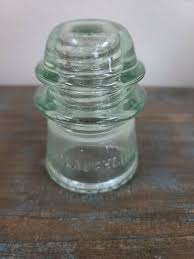
Vintage McLaughlin No 16 Green Glass Electric Pole…
ebay.com.au
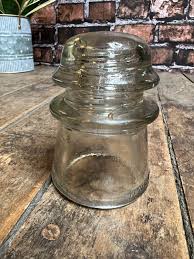
Vintage 1949 Armstrong's No. 2 - Clear Glass Insul…
etsy.com
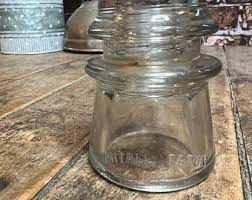
Vintage 1910 CD 152 Hemingray No. 40 Aqua Blue Gla…
etsy.com
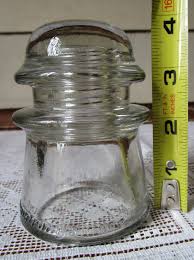
1950 Insulator - Etsy Ireland
etsy.com
Related Items
Have an antique to identify?
Get an instant AI appraisal with values, history, and market insights.
Download for iPhone