Wooden Boot Form Value Guide
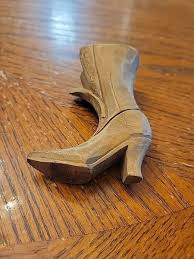
- Period
- 1900-1940
- Origin
- Uncertain
- Materials
- Wood
- Category
- Wooden boot form
Dating from 1900 to 1940, these hand-carved wooden boot forms represent a transition between traditional cobbling and industrial shoemaking. They are highly collectible today for their sculptural aesthetic and the rich patina developed through decades of use in shaping and maintaining footwear.
What Is Wooden Boot Form Worth?
The typical price range for Wooden Boot Form is $75 - $120 based on recent sales. However, values can vary depending on the item's condition, rarity, and other factors such as:
- The presence of original hardware, such as brass hinges or iron pull rings, significantly increases the value toward the $120 range.
- The quality of the wood grain and the depth of the aged patina, as collectors prioritize the 'sculptural beauty' of the piece.
- Completeness of the set; while single forms are common, matching pairs in good structural condition command higher prices.
- Specific historical provenance or unique shapes, such as those for riding boots or specialized military footwear from the early 20th century.
How to Identify Wooden Boot Form?
- Look for hand-carved details in durable hardwoods like maple or beech, which were standard for the 1900-1940 era.
- Check for multi-part construction, often featuring a removable 'instep' or 'calf' block designed to allow the form to be inserted and removed from a finished boot.
- Examine the surface for authentic wear, including tack holes from cobbler repairs and a smooth, dark patina from years of handling.
- Identify any stamped numbers or maker marks which often indicate the specific size or the workshop of origin.
History of Wooden Boot Form
Boot forms, also known as shoe lasts or boot trees, have been essential tools for cobblers for centuries. These forms allowed artisans to shape and repair footwear, ensuring a proper fit and preserving the shoe's structure. Early forms were often hand-carved from durable woods like maple or beech, reflecting the skill of the craftsman and the specific styles of footwear popular during their time. While modern shoemaking employs more industrialized methods, antique boot forms are cherished for their historical significance and sculptural beauty.
Shop Similar
Vintage Hand Carved Wooden Shoe Victorian Wood 4" …
ebay.com · $7
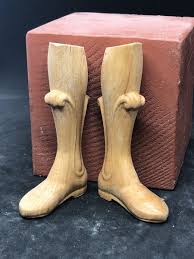
Wooden Feet For Eastern Figure King Wizard Rest Au…
ebay.com · $53
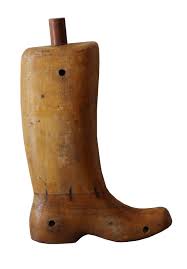
Early-mid 20th Century Cobbler's Boot Last/form - …
etsy.com · $55
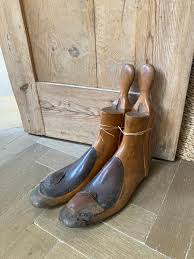
Boot Trees. A Pair of Antique Wood and Leather Boo…
etsy.com · $95
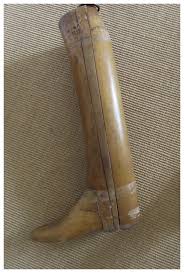
Vintage Wooden Boot Form Tree Brass Ring. For Sale…
rubylane.com · $148
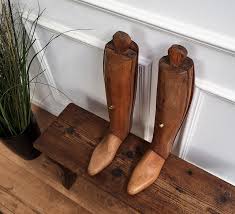
19th Century Wood Boots Trees Molds or Forms For S…
1stdibs.com · $763
Have an antique to identify?
Get an instant AI appraisal with values, history, and market insights.
Download for iPhone