Wooden Obelisk Value Guide
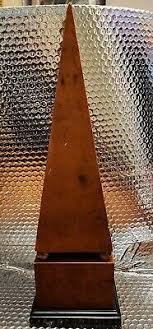
- Period
- Late 19th Century
- Origin
- England
- Materials
- Burl wood
- Category
- Wooden obelisk
This late 19th-century English obelisk is a premier example of Victorian-era Neoclassical revival, showcasing the intricate grain patterns of high-quality burl wood. Its classic tapered pyramidal form and stepped base reflect a historical fascination with Egyptian monuments, reimagined as a sophisticated interior accent.
What Is Wooden Obelisk Worth?
The typical price range for Wooden Obelisk is $550 - $600 based on recent sales. However, values can vary depending on the item's condition, rarity, and other factors such as:
- The complexity and density of the burl wood grain significantly impact the market price, with tighter patterns commanding higher values.
- Overall structural condition, specifically the absence of chips to the sharp pyramidal point or cracks in the veneer, preserves the $550-$600 valuation.
- The quality of the finish, as original shellac or wax polishes are more desirable to collectors than modern polyurethane refinishing.
- Historical provenance linking the piece to 19th-century English craftsmanship or specific notable estates.
How to Identify Wooden Obelisk?
- Examine the surface for the distinctive, swirling grain patterns and 'eyes' characteristic of authentic burl wood veneers or solids.
- Verify the construction of the stepped base, which should show signs of 19th-century joinery rather than modern adhesive techniques.
- Look for a natural aged patina and slight oxidation on the wood surface consistent with an English origin from the late 1800s.
- Check the proportions of the tapered pyramid to ensure they align with the symmetrical standards of late Victorian decorative arts.
History of Wooden Obelisk
Obelisks have a rich history, originating in ancient Egypt as monuments to the sun god Ra. They were later adopted by the Romans and other cultures, often serving as decorative elements or commemorative markers. In later centuries, miniature obelisks became popular decorative items, especially during Neoclassical and Art Deco periods, symbolizing grandeur and timelessness. The use of exotic woods like burl adds to their aesthetic appeal.
Shop Similar
Vintage Wooden Obelisk Mid Century Art Deco Statue…
ebay.com · $80
Antique obelisk - Wood - Fruit wood - 20t h centur…
ebay.com · $180
Burl Wood Obelisk | Chairish
chairish.com · $380
English Burl Wood Obelisk For Sale at 1stDibs | ob…
1stdibs.com · $475
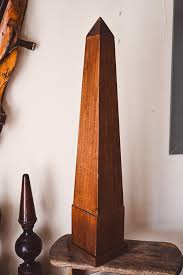
19th Century Handcrafted Wooden Obelisk | Chairish
chairish.com · $830
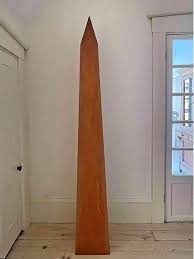
Vintage Large Mahogany Obelisk Sculpture by Enrico…
etsy.com · $995
Have an antique to identify?
Get an instant AI appraisal with values, history, and market insights.
Download for iPhone