Hidden Gems in Plain Sight: How to Identify Unmarked Antique Pottery Like an Expert

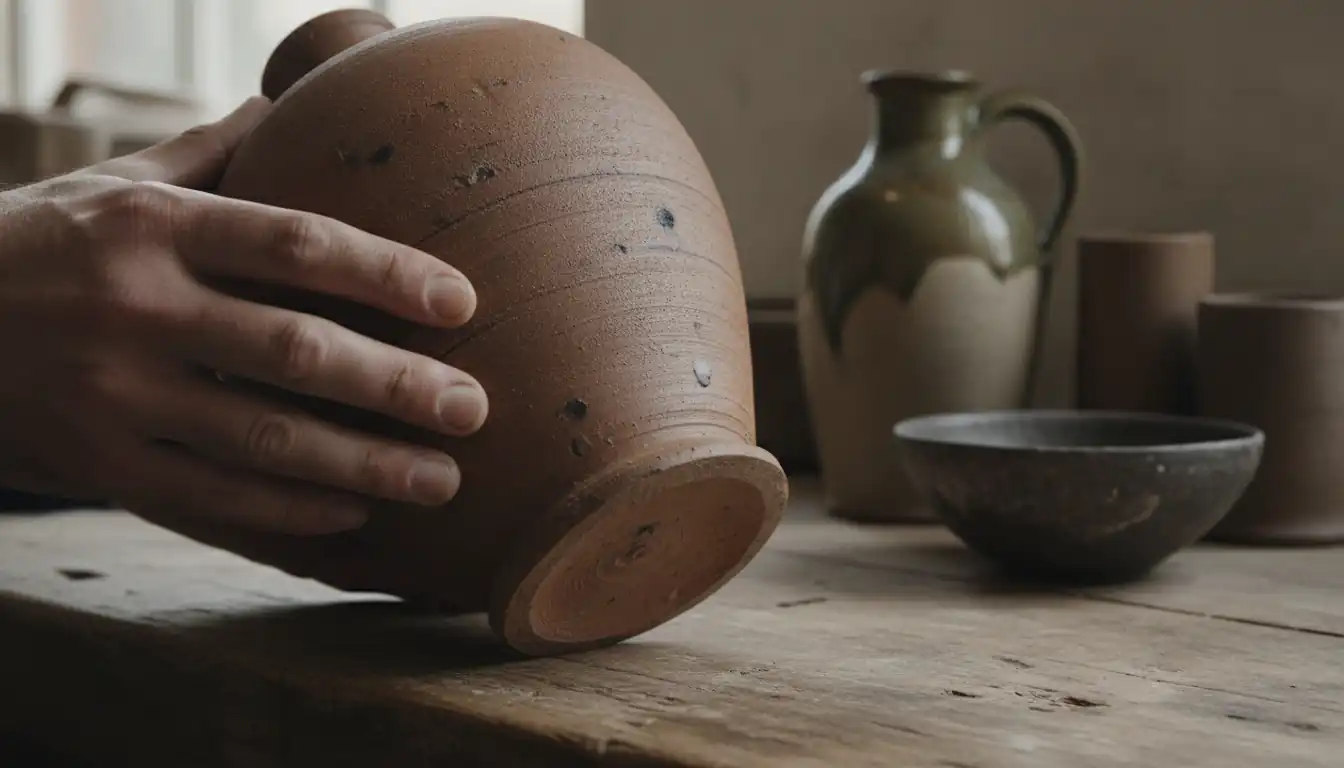
You are standing in a dusty corner of an estate sale, holding a heavy, salt-glazed jug. It has no stamp, no signature, and no paper trail. To the untrained eye, it is just an old piece of kitchenware, perhaps worth a few dollars as a decorative doorstop. But you notice the slight blue tint in the glaze and the way the handle joins the body with a distinctive "thumbprint" press. Could this be a rare 18th-century piece from a renowned regional pottery, or is it a 1970s reproduction meant to look the part?
The absence of a maker’s mark is often what separates a bargain from a missed fortune. For decades, collectors relied on thick reference books and years of trial and error to identify these "orphaned" pieces. However, the secrets of a pot are never truly hidden; they are baked into the very material, shaped into the curves of the base, and frozen in the chemical reactions of the glaze. Identifying unmarked pottery is less about memorizing logos and more about becoming a forensic investigator of ceramic history.
By learning to read the physical evidence left behind by the potter and the kiln, you can begin to see the invisible signatures that marks often hide. This guide will walk you through the professional techniques used to identify the age, origin, and authenticity of unmarked ceramics. You will learn to analyze the "paste" of the clay, recognize the mechanical footprints of different eras, and distinguish the honest wear of a century from the artificial distressing of a modern copy.
The Anatomy of Clay and Paste
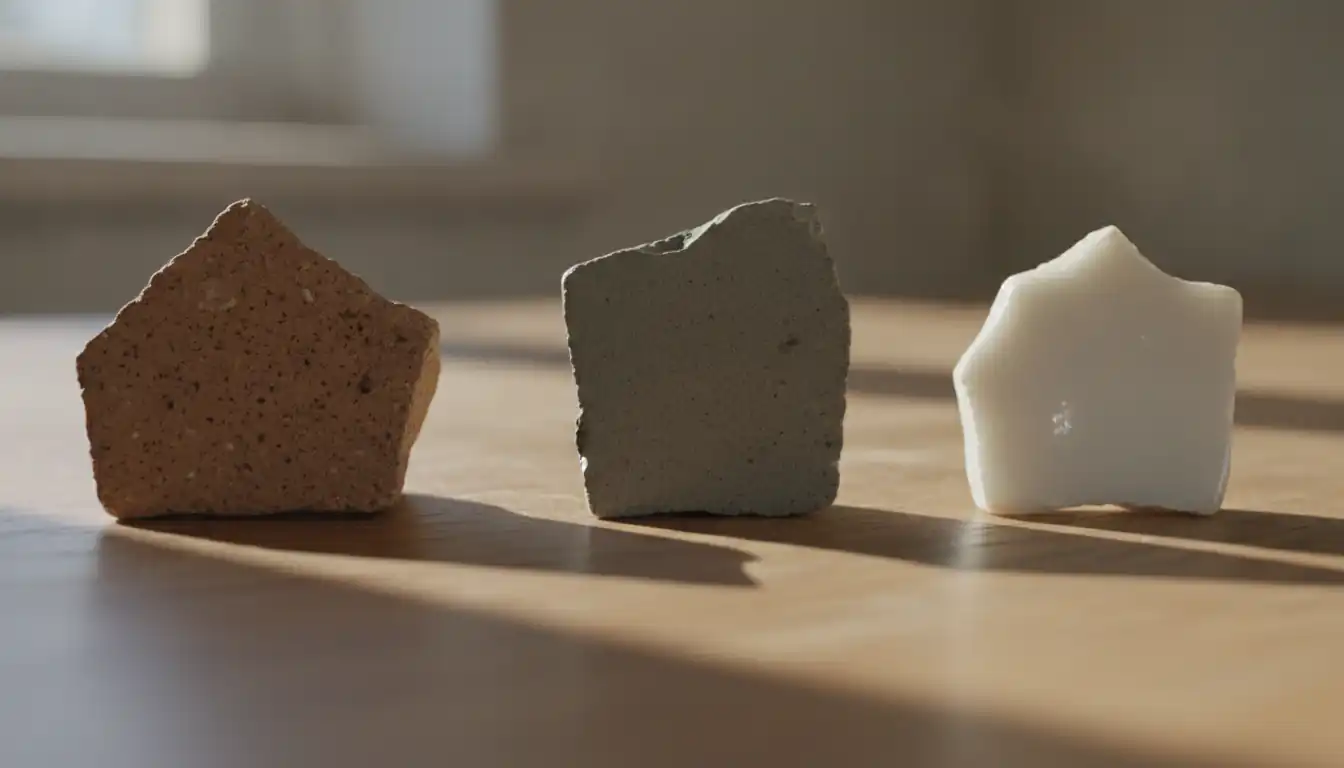
Before a potter applies a single drop of paint or glaze, they must choose their medium. This base material, known as the "paste" or "body," is the most reliable indicator of a piece's fundamental identity. Because different regions of the world have different clay deposits, and because firing technology evolved over centuries, the very dirt the pot is made of tells a story of time and place.
Decoding Earthenware Stoneware and Porcelain
Ceramics are generally categorized into three main families based on the temperature at which they were fired and the resulting density of the material. When you pick up an unmarked piece, your first task is to determine which family it belongs to. This immediately narrows down the possible eras and regions of production.
Earthenware is the most ancient and common form of pottery. It is fired at relatively low temperatures, which leaves the material porous. If you were to chip the glaze on an earthenware plate, the "bisque" underneath would absorb water.
- The Scratch Test: Try to (discreetly) scratch an unglazed area, like the foot rim, with a steel key or pocketknife. Earthenware is relatively soft and will usually show a mark.
- The Weight Factor: Earthenware feels lighter and "warmer" to the touch than its high-fired cousins. It often has a thick, chunky appearance because the clay is not strong enough to be potted very thin.
Stoneware represents a middle ground of ceramic evolution. Fired at much higher temperatures than earthenware, the clay undergoes vitrification, meaning it becomes stone-like and waterproof even without a glaze.
- The Density Check: Stoneware is heavy and incredibly durable. It was the "workhorse" material of the 18th and 19th centuries, used for crocks, jugs, and bottles.
- The Sound Test: Gently tap the rim with your fingernail. Earthenware produces a dull "thud," while stoneware produces a higher-pitched, metallic "clink."
Porcelain is the pinnacle of the craft. Made from a specific mixture of kaolin clay and petuntse (feldspar), it is fired at extreme temperatures until it becomes translucent.
- The Light Test: Hold the piece up to a strong light source. If you can see the shadow of your fingers through the ceramic wall, it is almost certainly porcelain.
- The Texture: Unglazed porcelain (often called "biscuit") feels like smooth, fine-grained sugar or silk. It is much harder than earthenware and cannot be easily scratched by steel.
| Ceramic Type | Firing Temp (Approx) | Porosity | Key Characteristic |
|---|---|---|---|
| Earthenware | 1,000°C - 1,150°C | High | Opaque, soft, earthy colors |
| Stoneware | 1,200°C - 1,300°C | Low | Dense, grey/tan body, very strong |
| Porcelain | 1,300°C - 1,450°C | None | Translucent, white, glass-like |
The Science of Temper and Inclusion
If the type of ceramic is the "genre" of the story, the "temper" is the specific dialect. Temper refers to non-plastic materials added to the raw clay to prevent it from cracking or shrinking too much during the drying and firing process. By examining these inclusions, you can often pinpoint where a piece was made.
In early American folk pottery, for example, you might find "grog"—crushed bits of previously fired pottery—mixed into the clay. In coastal regions, potters often used crushed oyster shells or fine beach sand. If you look at the broken edge of a shard or an unglazed base and see tiny, sparkling flecks of mica, you might be looking at pottery from the Appalachian mountains or specific regions in the Mediterranean where micaceous clay is naturally abundant.
The size and distribution of these inclusions also speak to the era of production.
- Coarse Inclusions: Large chunks of rock or shell suggest a primitive, localized production, likely 18th century or earlier.
- Fine, Uniform Texture: Highly refined clay with no visible inclusions usually points to industrial, post-Industrial Revolution manufacturing (mid-19th century onward), where machines were used to "levigate" or purify the clay.
Expert Tip: Always carry a small 10x jeweler’s loupe. What looks like a plain grey base to the naked eye can reveal a galaxy of mineral inclusions under magnification, providing a geological map to the item's origin.
Fingerprints of the Maker
Once you understand the material, you must look at how that material was manipulated. Every era of pottery production has a specific "mechanical signature." Before the age of mass production, every vessel bore the physical marks of the human hand. Even as machines took over, they left behind their own unique scars and patterns.
Throwing Rings and Base Evidence
If a piece was made on a potter’s wheel, it will almost always retain "throwing rings." These are subtle, horizontal ridges created by the potter’s fingers as they pulled the clay upward. While the outside of a piece might be smoothed down for decoration, the interior—especially in narrow-necked jugs or vases—usually tells the truth. Reach inside and feel the walls; if you feel consistent, rhythmic ridges, the piece was hand-thrown.
The base of the piece is perhaps the most honest part of any ceramic object. It is the "handshake" of the potter.
- Wire-Cut Bases: In the 18th and early 19th centuries, potters used a simple wire to slice the finished pot off the rotating wheel. This leaves a "swirled" or "shell-like" pattern on the bottom. If these swirls are tight and centered, the wheel was likely spinning fast (industrial). If they are wide and slightly off-center, it suggests a slower, human-powered kick wheel.
- The Foot Ring: Look at how the piece sits on the table. Is there a defined, raised ring of clay at the bottom? Hand-turned foot rings on older pieces are often slightly irregular. If the foot ring is perfectly uniform and sharp, it was likely turned on a mechanical lathe or produced in a modern factory.
- Smoothing and Wear: An authentic antique will show "shelf wear"—natural smoothing on the highest points of the base where it has sat on surfaces for decades. If the base is perfectly pristine but the rest of the pot looks "old," be suspicious.
The Tell-Tale Signs of Mold and Pressing
Not all pottery was thrown on a wheel. Starting in the mid-18th century, and becoming dominant by the 19th, many pieces were made using molds. This process, known as slip-casting or press-molding, allowed for complex shapes and mass production.
Mold Seams are the most obvious giveaway. Look for a faint, vertical line running up the sides of the piece. In high-quality antiques, these seams were carefully sanded down, but they can often still be felt with a fingernail or seen under a raking light.
- Two-Part Molds: Usually indicate earlier industrial production.
- Multi-Part Molds: Used for very complex shapes (like figurines), often seen in Victorian-era Staffordshire pieces.
Press-Molding involves pushing a slab of clay into a carved mold. This was common for plates and shallow bowls. If you flip an unmarked 18th-century "feather-edge" creamware plate over, you might see slight indentations where the potter’s fingers pressed the clay into the mold's decorative rim. These "fingerprints" are a hallmark of artisanal work that vanished once fully automated pressing machines were introduced in the late 1800s.
Glaze Chemistry and Surface Aging
The glaze is the "skin" of the pottery. It serves both a functional purpose (waterproofing) and an aesthetic one. Because glaze recipes were often proprietary secrets and chemical components changed over time, the finish of a piece is a chronological map.
Identifying Period Glazes
Different centuries favored different chemical compositions. Understanding these can help you date an unmarked piece within a twenty-year window.
Salt-Glaze is one of the easiest to identify. During the firing process, common salt was thrown into the kiln. The salt vaporized and reacted with the silica in the clay to create a hard, translucent glass.
- The Texture: It looks and feels exactly like an orange peel. If you see this pitted, dimpled texture on a grey or tan stoneware jug, you are likely looking at a piece from the 1700s to the late 1800s.
Lead Glazes were used for centuries on earthenware. They produce a high-gloss, transparent finish that enhances the color of the clay beneath.
- The Look: Early lead glazes often have a yellowish or greenish tint. Because lead is heavy, these glazes often "pool" in the crevices of a design, appearing darker and thicker in the low spots.
Tin-Glaze (Delft, Maiolica, Faience) was the European attempt to mimic Chinese porcelain. A lead glaze was made opaque by adding tin oxide, creating a white, "milky" surface that could be painted upon.
- The Fragility: Tin-glaze is notorious for chipping. If you see an unmarked white plate with "nibbles" or chips along the edge that reveal a reddish or buff-colored earthenware body underneath, it is likely a tin-glazed piece from the 17th or 18th century.
Crazing Weathering and Authentic Patina
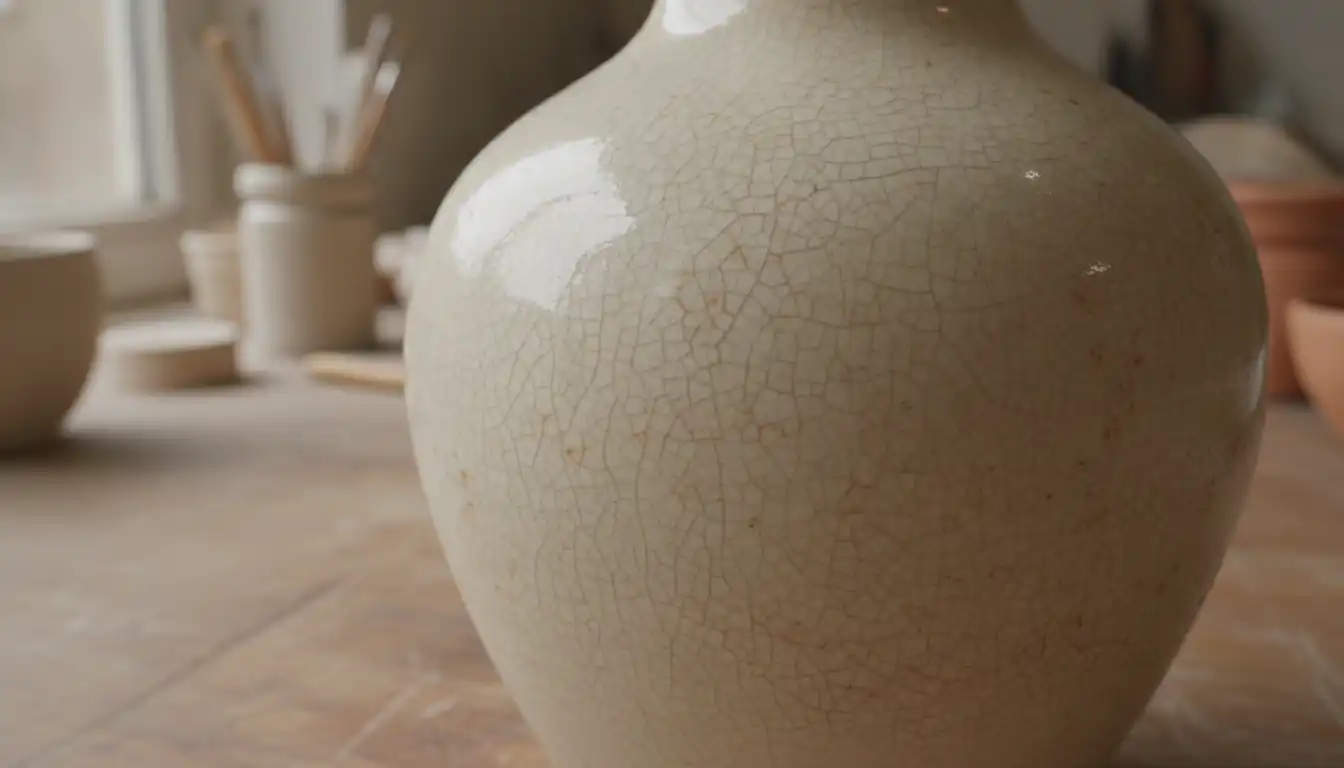
Time leaves a mark that is very difficult to fake convincingly. One of the most common signs of age is "crazing"—a network of fine cracks in the glaze. This happens because the clay body and the glaze expand and contract at different rates over decades of temperature changes.
- Authentic Crazing: Look closely at the cracks. In a true antique, these cracks are often irregular and may have "stained" over time as dust and oils seeped into them. The crazing should appear deeper and more concentrated in areas of stress, like handles or rims.
- Modern Crackle Glazes: Some modern reproductions use a "crackle" glaze for effect. These usually look too perfect—the cracks are uniform in size and lack the deep, organic staining found in genuine old pieces.
Another key indicator is the presence of stilt marks. In the kiln, pieces were often stacked on small ceramic tripods called stilts to prevent them from sticking to each other.
- The Evidence: Look for three small, unglazed spots or "scars" on the bottom of a plate or bowl, usually arranged in a triangle. While some modern pieces still use stilts, the presence of rough, hand-broken stilt marks is a classic sign of older, pre-automated kiln firing.
| Glaze Type | Visual Cue | Common Era |
|---|---|---|
| Salt-Glaze | Orange peel texture | 1700s - 1890s |
| Tin-Glaze | Opaque white, chips easily | 1600s - 1750s |
| Lead Glaze | High gloss, yellowish tint | Ancient - 19th Century |
| Slip Glaze | Earthy, "dipped" look | 18th - 19th Century |
Instant Identification with Modern Technology
Even for seasoned experts, the sheer volume of pottery styles produced over the last five hundred years is staggering. You might correctly identify a piece as mid-19th-century stoneware with a salt glaze, but which specific pottery in the Ohio River Valley made it? This is where the limits of human memory meet the power of modern data.
Bridging the Gap with AI Recognition
The challenge with unmarked pottery is that the "signature" is visual rather than literal. It’s in the specific curve of a spout or the exact shade of cobalt blue used in a floral decoration. While a human might take hours flipping through auction catalogs to find a match, artificial intelligence can scan thousands of records in a heartbeat.
This is exactly where a tool like Relic becomes an essential part of your kit. Relic is an iOS app designed to act as a professional appraiser in your pocket. Instead of guessing, you can use the app to analyze the very physical clues we’ve discussed—the silhouette, the glaze texture, and the construction methods.
The process is straightforward:
- Capture: You take a high-resolution photo of the unmarked item from multiple angles.
- Analyze: Relic’s AI compares the visual data against a massive global database of known, marked pieces. It looks for "form matches"—instances where the shape and style of your unmarked piece perfectly align with documented works by specific makers.
- Identify: In seconds, the app provides a profile of the item, including its likely origin, historical context, and a real-world appraisal.
Using Relic to Uncover Origin and Value
The beauty of using technology like Relic is that it validates your own observations. If you’ve identified a piece as earthenware with a lead glaze, the app can narrow that down to a specific 18th-century English creamware manufacturer. It transforms a "hunch" into a documented attribution.
For collectors and professional dealers, this speed is vital. In a fast-moving auction or a crowded flea market, you don't always have the luxury of going home to do research. Having an app that provides instant identification and market insights allows you to make informed decisions on the spot. It levels the playing field, giving an enthusiast the same analytical power as a high-end gallery owner.
The real value of technology in the antique world isn't that it replaces expertise, but that it accelerates it. It allows you to spend less time wondering and more time building a collection of genuine historical significance.
The Detective’s Final Verification
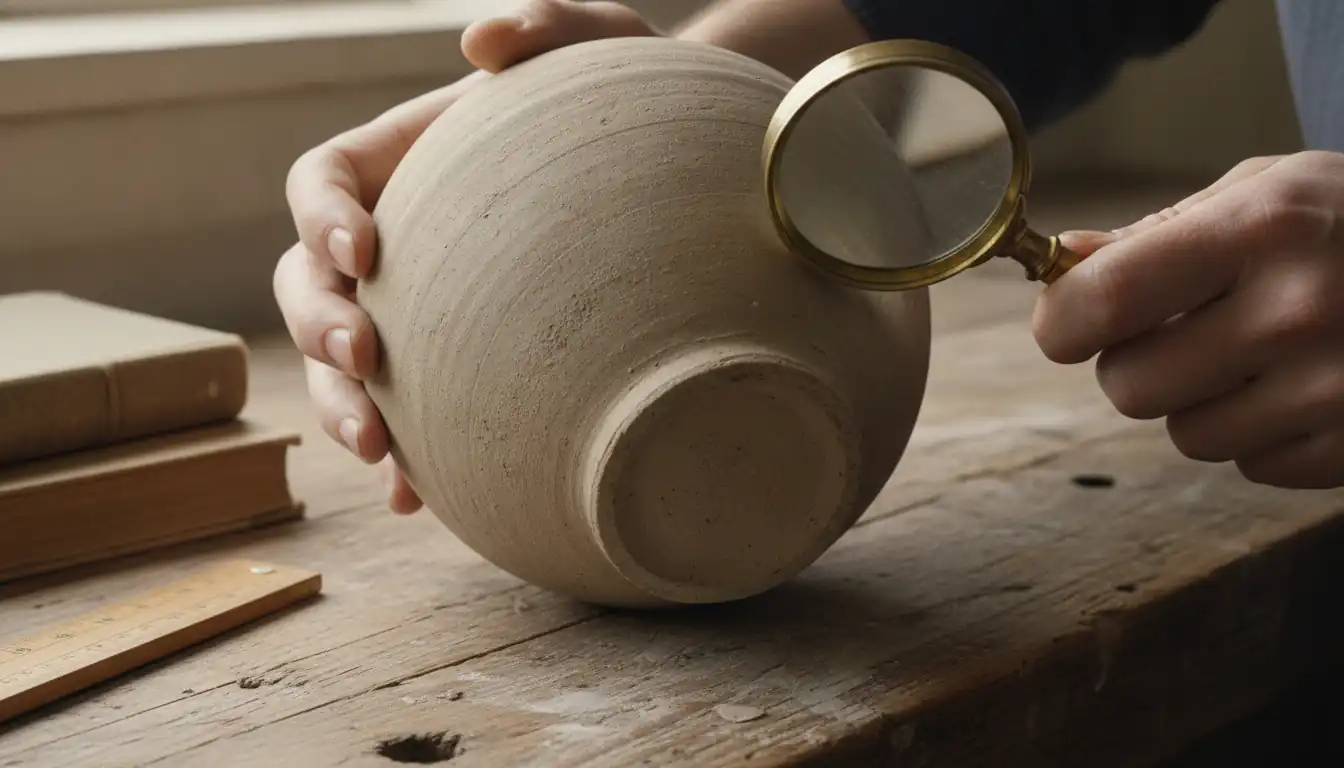
Once you have a strong lead—either through your own physical analysis or through an AI identification—the final step is verification. In the world of high-end antiques, an unmarked piece is often described as "attributed to" a certain maker. To make that attribution stick, you need to cross-reference your find with established records.
Comparative Analysis with Museum Databases
Museums like the Victoria & Albert (V&A) in London or the Smithsonian in Washington D.C. have digitized vast portions of their collections. These databases are a goldmine for the amateur detective.
Search by Silhouette: Many potteries used specific molds for decades. If you find an unmarked vase, search museum catalogs for that exact shape. If you find a marked version of your vase in a museum, you have a "form match." Because molds were expensive and often proprietary, a perfect match in shape is often as good as a signature.
Pattern Matching: For decorated pottery, look at the "hand" of the artist. In folk art, the way a bird’s wing is painted or the specific flourish at the end of a vine can be as unique as a fingerprint. Compare the brushwork on your unmarked piece to known examples from the same region.
- Key Databases to Explore:
- The Potteries Museum & Art Gallery: Excellent for English ceramics.
- The Chipstone Foundation: A premier resource for early American pottery.
- The Met Museum Collection: A broad global database with high-resolution imagery.
Determining Value for Unattributed Pieces
The "money question" is always: is an unmarked piece worth as much as a marked one? The answer is: sometimes.
In the world of rare 18th-century porcelain, a mark can significantly boost value because it provides certainty. However, in the realm of folk art or early stoneware, the quality of the piece often outweighs the presence of a stamp. A beautifully decorated, unmarked cobalt-blue stoneware crock can easily outfetch a plain one with a common maker's mark.
Factors that Drive Value in Unmarked Pieces:
- Rarity of Form: Is it a standard jug, or a unique shape like a puzzle jug or a spirit flask?
- Condition: Because unmarked pieces are often older, "museum quality" condition (no chips or cracks) is extremely rare and highly prized.
- Provenance: Can you trace the item back to a specific estate or region? Even without a mark, a strong local history can add significant value.
- Attribution: If the piece is "firmly attributed" to a famous potter through form matching and material analysis, it will command a price close to a signed example.
Conclusion
Identifying unmarked antique pottery is a journey from the core of the clay to the surface of the glaze. It requires you to slow down and look at the object not just as a "thing," but as a series of choices made by a person long ago. By understanding the difference between earthenware and porcelain, recognizing the swirl of a wire-cut base, and identifying the "orange peel" of a salt glaze, you are reading a language that has no words.
While the physical detective work is deeply rewarding, don't be afraid to embrace the tools of the modern era. Using an app like Relic can provide the crucial missing link, turning your physical observations into a professional-grade appraisal in seconds. Whether you are a seasoned dealer or a weekend thrifter, the ability to identify the "hidden gems" in plain sight is what turns a hobby into a passion.
The next time you see a dusty, unmarked pot on a back shelf, don't walk past it. Pick it up. Feel the weight. Look at the base. Check the glaze. The maker might not have signed their name, but they left their story behind for you to find. Your next great discovery is likely waiting just a few inches away from your hand, hidden only by the lack of a mark and the need for a keen eye.
Identify antiques instantly
Point your camera at any antique, collectible, or vintage item. Get valuations, history, and market insights in seconds.
Download for iPhone