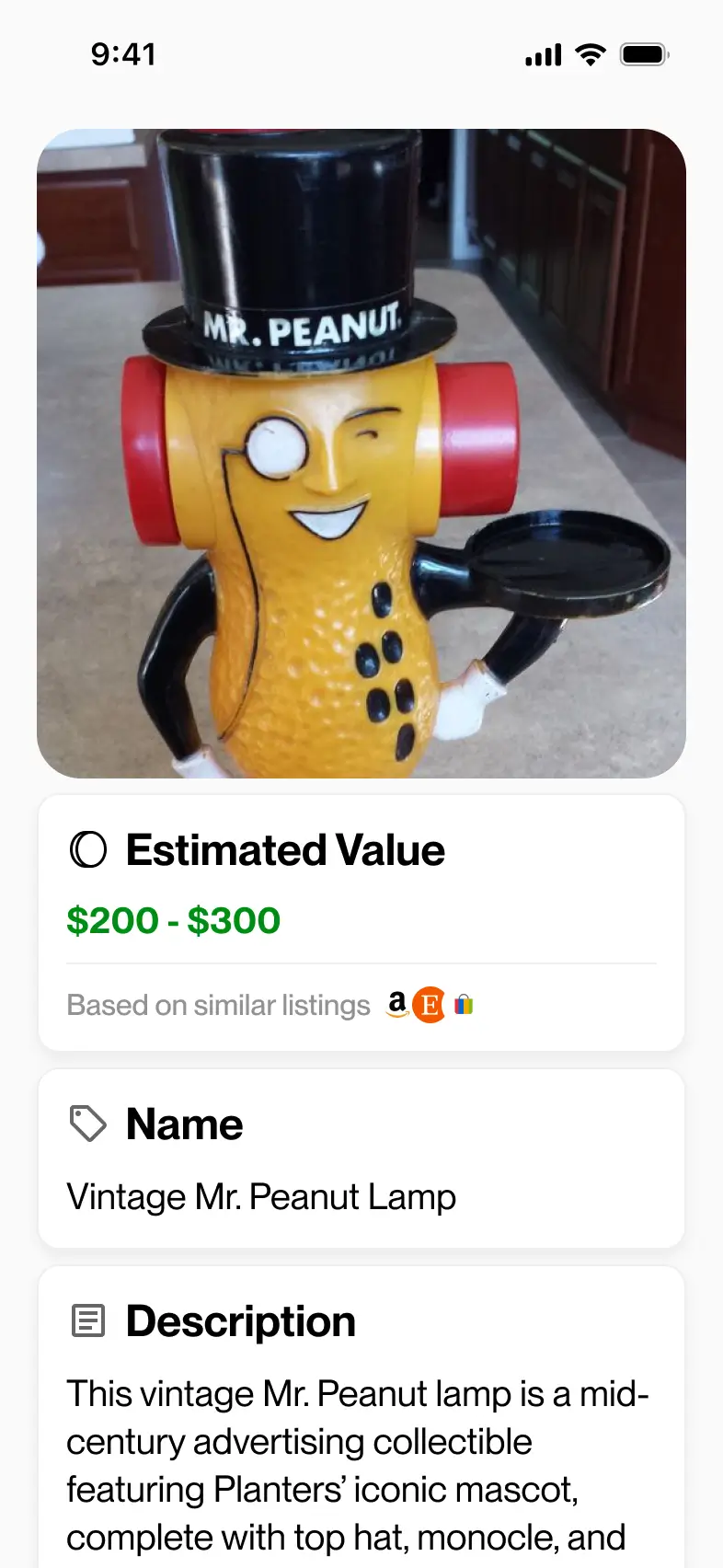
Stop Leaving Money on the Shelf: The Modern Hunter's Guide to Thrift Store Books

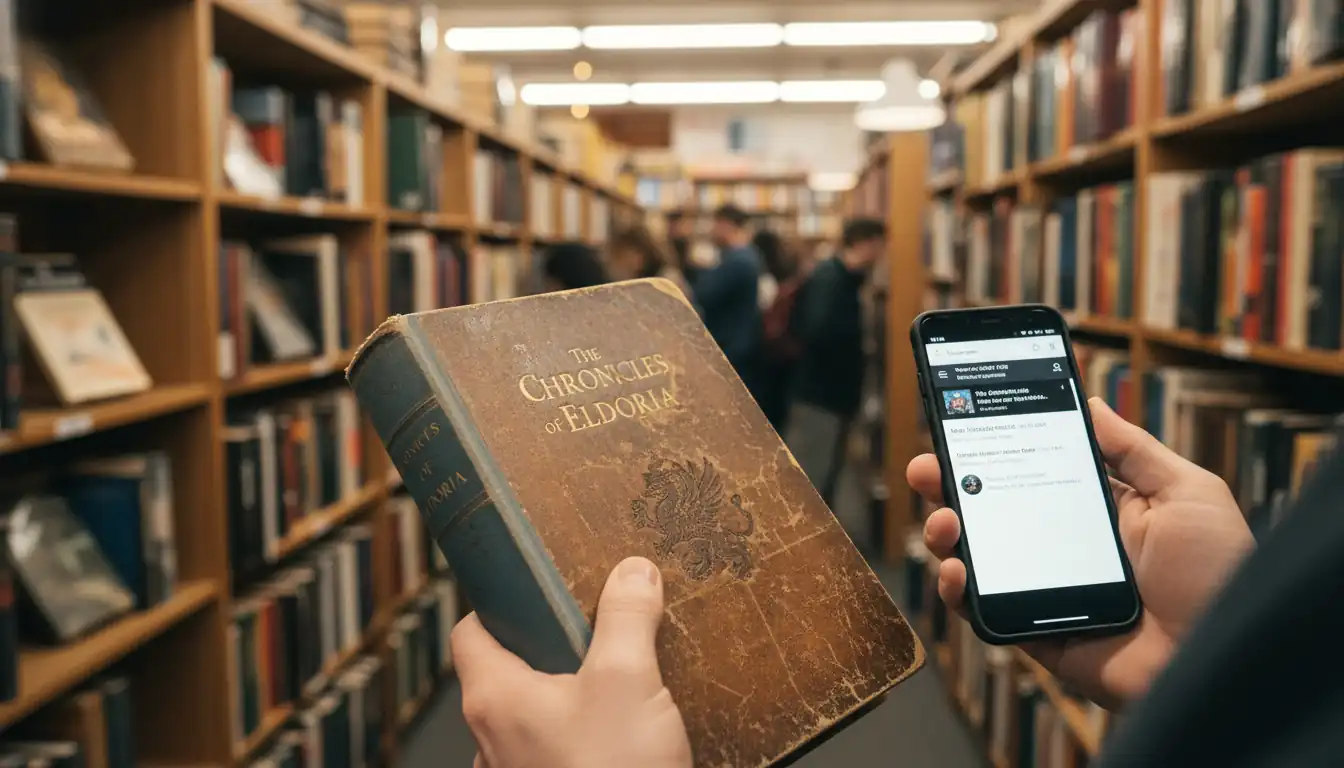
Most people walk past the book section of a thrift store and see a wall of clutter. They see outdated software manuals, tattered romance novels, and stacks of "The Da Vinci Code" that have been sitting there since 2004. To the untrained eye, it is a graveyard of paper. To the professional scout, it is a treasure map where the gold is hidden in plain sight.
The difference between a five-dollar profit and a five-hundred-dollar find often comes down to a single typo on page 20 or the specific color of a cloth binding. You are not just looking for "old" books; you are looking for specific objects that collectors crave. This transition from casual browser to expert hunter requires a shift in how you see, touch, and evaluate every volume on the shelf.
By the time you finish this guide, you will understand the physical markers of rarity, the technology that identifies hidden gems in seconds, and the market logic that dictates price. You will stop guessing and start scouting with the precision of a professional dealer.
Anatomy of a Rare Find

Before you ever look at a price tag or reach for your phone, you must develop "expert eyes." Physical books carry a DNA that tells the story of their production. A common reprint might look identical to a valuable first edition from three feet away, but the truth is hidden in the fine details of the printing process.
Identifying True First Editions and Printing Points
The term "first edition" is often misunderstood. In the simplest terms, it refers to the very first time a book was printed and released to the public. However, collectors are usually looking for the "first state" of the first edition. This means the book comes from the very first batch of copies that left the press before any corrections were made.
How do you spot these? You look for "points of issue." These are specific errors or physical characteristics that were changed in later printings. For example, in the first state of The Great Gatsby, the word "away" is misspelled as "away" on page 205. In the first printing of The Hobbit, there is a specific typo in the description of the map. These mistakes are the fingerprints of a true first state.
- The Number Line: Open the book to the copyright page. Look for a string of numbers like "1 2 3 4 5 6 7 8 9 10." If the "1" is present, it usually indicates a first printing. If the numbers start at "4," you are looking at a fourth printing, which is significantly less valuable.
- Price Clips: Look at the inside flap of the dust jacket. If the top or bottom corner has been cut off, it is "price-clipped." This was often done when a book was given as a gift. For high-end collectors, a price-clipped jacket can reduce the value by 50% or more because it removes a key piece of the book's original state.
- Blind Stamps: Feel the back cover near the spine. If you feel a small indented square or circle, it is often a "blind stamp" indicating a Book of the Month Club (BOMC) edition. While these look like first editions, they are almost always mass-produced reprints with very little resale value.
Defining Vintage vs Antique in the Book World
One of the most common questions new scouts ask is: how many years old does a book have to be to be considered vintage? In the world of book collecting, "vintage" typically refers to items that are at least 50 years old but less than 100. Once a book crosses the century mark, it officially enters the "antique" category.
However, age is a deceptive metric. A 200-year-old Bible might be worth twenty dollars because millions were printed and they are incredibly common. Conversely, a first edition of a modern classic from the 1990s could be worth thousands. You must decouple the idea of "old" from the idea of "valuable."
| Category | Age Range | Typical Value Driver |
|---|---|---|
| Modern Firsts | 0–50 years | Cultural impact, scarcity of early printings |
| Vintage | 50–100 years | Cover art, nostalgia, specific "points of issue" |
| Antique | 100+ years | Historical significance, binding quality, rarity |
When you are scanning a shelf, don't just look for the yellowed pages. Look for the quality of the construction. Does the book have a "deckle edge" (intentionally ragged paper edges)? Is the title embossed in gold leaf? These are signs that the publisher put extra care into the production, which often correlates with a more collectible edition.
Scarcity plus demand equals value. An old book that nobody wants is just old paper. A new book that everyone wants but few can find is an asset.
Digital Tools for the Modern Book Scout
Once you have identified a book that feels "right," the next step is verification. In the past, scouts had to carry heavy reference manuals or rely on pure memory. Today, we have the advantage of instant data. But there is a trap that many beginners fall into: the ISBN barcode.
Moving Beyond the ISBN Barcode
If you only scan barcodes, you are missing 90% of the most valuable books in any thrift store. The ISBN system wasn't standardized until 1970. This means that almost every "antique" book and a vast majority of "vintage" books lack a barcode entirely. If you see a scout walking through a store only scanning the backs of modern paperbacks, they are leaving the real money on the shelf.
Furthermore, barcodes are often misleading. A barcode on a 1980s reprint of a 1920s classic will tell you the price of the reprint, not the value of the original work. To find the hidden gems, you need a way to identify a book by its "face"—its cover and title page. This is where visual identification becomes your most powerful asset.
Using AI Visual Search for Instant Identification
This is where modern technology bridges the gap between a novice and a seasoned dealer. Instead of typing in long titles or trying to guess which edition you are holding, you can use the Relic app. Relic is an antique identifier that uses advanced AI to analyze a photo of an object and provide an immediate appraisal and history.
When you encounter a book with no barcode, or a leather-bound volume with a cryptic title, you simply take a photo of the cover or the title page within the Relic app. The AI doesn't just read the text; it analyzes the visual markers, the layout, and the specific edition details. Within seconds, you get a real appraisal and the historical context of the item.
- The "Snap and Search" Workflow: When you see a shelf of 500 books, you don't have time to research each one. You look for the physical markers discussed in section one. When a book passes the "eye test," you use Relic to confirm its identity.
- Overcoming Obscurity: Many of the most valuable books are obscure technical manuals, local histories, or small-press poetry. These often don't appear in standard retail databases. Relic’s ability to provide origin and history helps you understand why a book might be valuable, even if you’ve never heard of the author.
Using an app like Relic allows you to scan a shelf in minutes rather than hours. It acts as a digital expert sitting in your pocket, ready to tell you if that dusty cloth-bound book is a rare first state or a common reprint. This efficiency is what separates the hobbyist from the professional who makes a consistent income.
Decoding Market Value and Resale Reality

Finding a rare book is only half the battle. The other half is understanding what it is actually worth in the current market. Many new scouts find a book online with a $500 price tag and assume they have hit the jackpot. This is often a mistake that leads to "dead stock"—items that sit on your shelf for years and never sell.
Sold Listings vs Asking Prices
The most important rule in book scouting is this: an asking price is a wish; a sold price is a fact. Sites like eBay or specialized book portals are filled with "aspirational pricing." A seller might list a common 1950s cookbook for $200, but if you check the "Sold" listings, you might find that the same book consistently sells for $15.
When you use your digital tools to research a book, always look for the most recent completed transactions. This data tells you the "liquidity" of the book—how fast it sells and for how much. A book that sells for $50 within two days is often a better buy than a book that "might" sell for $200 after two years of waiting.
High-Value Genres Hiding in Plain Sight
While everyone is looking for Hemingway and Steinbeck, professional scouts are looking for the niches that others ignore. These are genres where the demand is high but the supply is low, often because people don't realize they are collectible.
- 1970s Occult Paperbacks: There is a massive market for vintage paperbacks dealing with witchcraft, UFOs, and the paranormal. The cover art alone often drives the price.
- Technical and Industrial Manuals: Old manuals for tractors, early computers, or specialized machinery are highly sought after by restorers and enthusiasts.
- Mid-Century Cookbooks: Specifically those from local organizations or niche food brands. Collectors look for the aesthetic of the era and unique recipes.
- Vintage Travel Guides: Before the internet, travel guides were the only way to see the world. Guides from the 1920s through the 1950s, especially those with maps or unique illustrations, have a dedicated following.
| Genre | Why it Sells | What to Look For |
|---|---|---|
| Ephemera | Historical snapshots | Pamphlets, maps, or booklets tucked inside books |
| Early Sci-Fi | Iconic cover art | "Ace Doubles" or early paperbacks with vibrant colors |
| Local History | Extreme scarcity | Books printed by small towns or local churches |
| Children's Books | Nostalgia | First editions of classics with intact dust jackets |
Understanding these niches allows you to find value in sections of the thrift store that other scouts skip. You aren't just looking for "literature"; you are looking for specialized information and unique aesthetics.
Condition Grading and Hidden Value Add-Ons
In the world of book collecting, condition is everything. A rare book in "Poor" condition might be worth $10, while the same book in "Fine" condition could be worth $1,000. You must be brutally honest about the state of the items you find.
The Collector's Scale from Mint to Poor
Professional book dealers use a standardized grading scale. Learning this language will help you communicate with buyers and set realistic prices.
- As New / Fine (F): The book is in the same immaculate condition as when it left the publisher. No chips, no tears, no fading.
- Very Good (VG): Describes a book that shows some small signs of wear—perhaps a slightly rubbed corner or a small tear in the dust jacket—but is otherwise clean and tight.
- Good (G): This is the "average" used book. It has been read, the spine might be creased, and the jacket might have several small tears. Ironically, in the book world, "Good" is actually a fairly low grade.
- Fair / Poor: The book is falling apart. The hinges are cracked, pages are missing, or there is significant water damage. Unless the book is incredibly rare (like a 17th-century manuscript), "Poor" condition usually means it has no resale value.
The dust jacket is the most fragile part of a book, and consequently, it is the most valuable. For 20th-century fiction, the dust jacket can account for 80% of the book's total value. If you find a first edition of The Catcher in the Rye without its jacket, you have a $50 book. With a "Fine" jacket, you have a $10,000 book.
The Surprising Value of Marginalia and Inserts
Sometimes, the value of a book isn't just in the printed text, but in what has been added to it. This is known as "provenance."
- Signatures: An author's signature can increase a book's value exponentially. However, be wary of "inscribed" books (e.g., "To my dear friend Mary, best wishes, Ernest Hemingway"). While still valuable, collectors generally prefer a "flat sign" (just the signature) unless the person it was inscribed to is also famous.
- Marginalia: Notes written in the margins by a previous owner can sometimes add value if that owner was someone of note. Even if the owner wasn't famous, interesting historical notes can add "flavor" that appeals to certain collectors.
- Laid-in Items: Always shake a book gently or flip through the pages. People used books as filing cabinets. You might find old letters, pressed flowers, original bookmarks, or even newspaper clippings from the day the book was released. These items tell a story and can turn a standard book into a unique historical artifact.
A book is a physical vessel for history. Sometimes the most valuable part of that history is the journey the book took after it left the bookstore.
Professional Scouting Strategies and Ethics
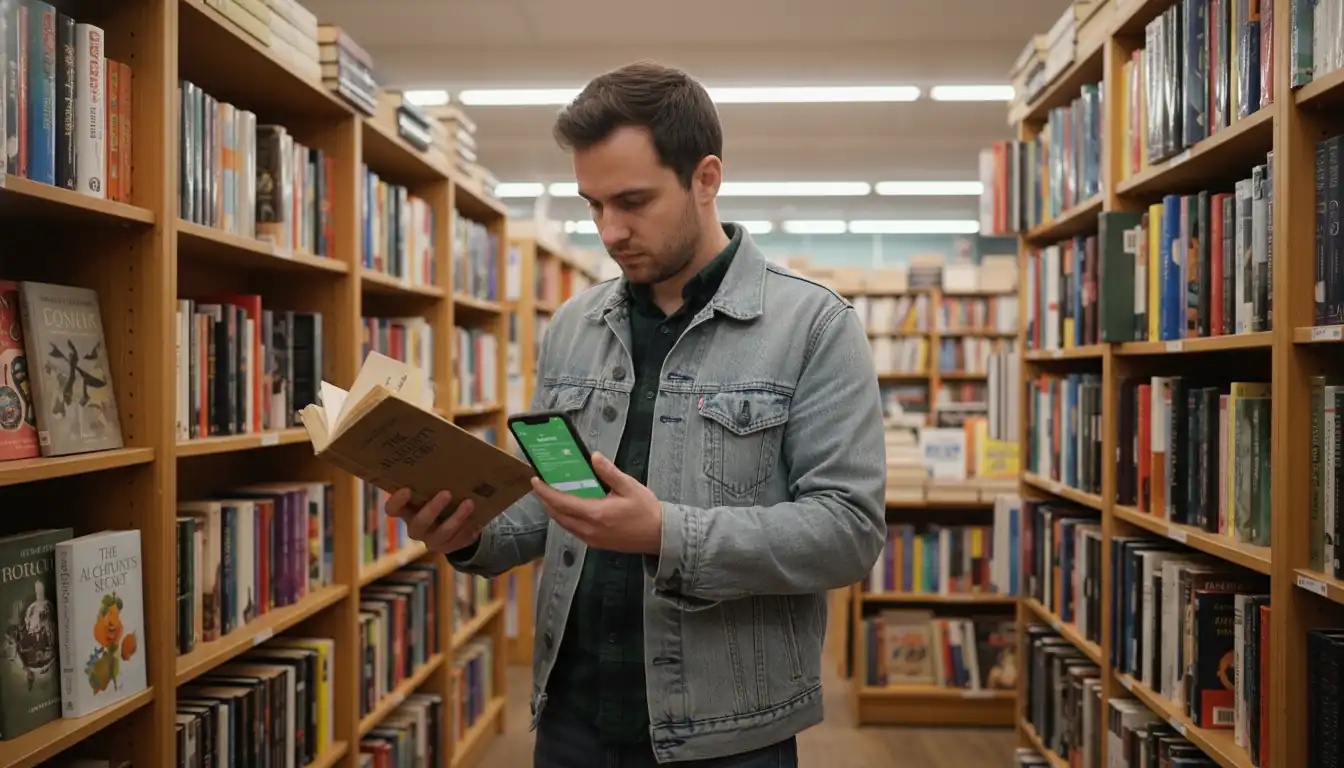
Success in book scouting isn't just about what you know; it's about how you work. If you only visit one thrift store once a week, you are relying on luck. Professionals rely on a system.
Building a Route and Timing Your Visits
The best scouts have a "circuit." They know every thrift store, estate sale house, and library sale within a 30-mile radius. More importantly, they know the restocking schedules.
- The Restock Window: Most thrift stores put out new inventory at specific times. Some do it first thing in the morning; others do it an hour before closing. Build rapport with the staff. A simple, "When do you usually bring out the new book bins?" can save you hours of wasted time.
- The "New Arrivals" Cart: Many stores have a rolling cart where items sit before they are shelved. This is the frontline of scouting. If you can get to the cart before the books hit the shelves, you have the first pick of the day's treasures.
- Store Types: Don't just stick to the big-name charities. Small, church-run thrift stores often have lower prices and less competition from other scouts. They are also more likely to have "old" books that the big chains might discard as "unsellable."
The Ethics of the Thrift Store Flip
There is often a debate about the ethics of buying an item for $2 from a charity and selling it for $200. It is important to remember that thrift stores are in the business of high-volume turnover. They don't have the time or expertise to research every single book. By buying that book, you are providing them with the immediate cash they need to fund their programs.
However, a professional scout should also be a responsible member of the community.
- Don't Be a "Shelf Destroyer": Some scouts leave the book section in a shambles, pulling books out and leaving them on the floor. This makes the staff's job harder and gives all scouts a bad reputation. Always leave the shelf better than you found it.
- Give Back: If you find a massive "score" that nets you a significant profit, consider making a separate donation to the charity or buying extra items you don't need to support their cause.
- Support Library Sales: Library book sales are the lifeblood of many local branches. These sales are often where the best books end up. Paying the full asking price at a library sale is a direct investment in your community's access to information.
Scouting is a business, but it is also a service. You are rescuing important cultural artifacts from potential destruction and placing them in the hands of collectors who will preserve them for the next generation.
Conclusion
The world of thrift store books is one of the few places where a small amount of knowledge can be converted directly into profit. By training your eyes to spot "points of issue," using tools like the Relic app to bypass the limitations of barcodes, and understanding the nuances of condition and market demand, you move from a hobbyist to a professional.
Remember that every shelf you encounter is a new opportunity. That dusty, unremarkable volume tucked between two modern thrillers could be the find that pays for your next trip. The money is on the shelf; you just need to know how to see it.
Your Next Steps:
- Download Relic: Get the app ready on your phone so you can identify books without barcodes on your next trip.
- Visit Three Stores: This week, visit three different thrift stores. Don't focus on buying yet—just focus on identifying "points of issue" and checking for first editions.
- Check the "Sold" Listings: Take five books you find and look up their actual sold prices. Compare that to the asking prices you see online.
The hunt is on. Happy scouting.
Identify antiques instantly
Point your camera at any antique, collectible, or vintage item. Get valuations, history, and market insights in seconds.
Download for iPhone