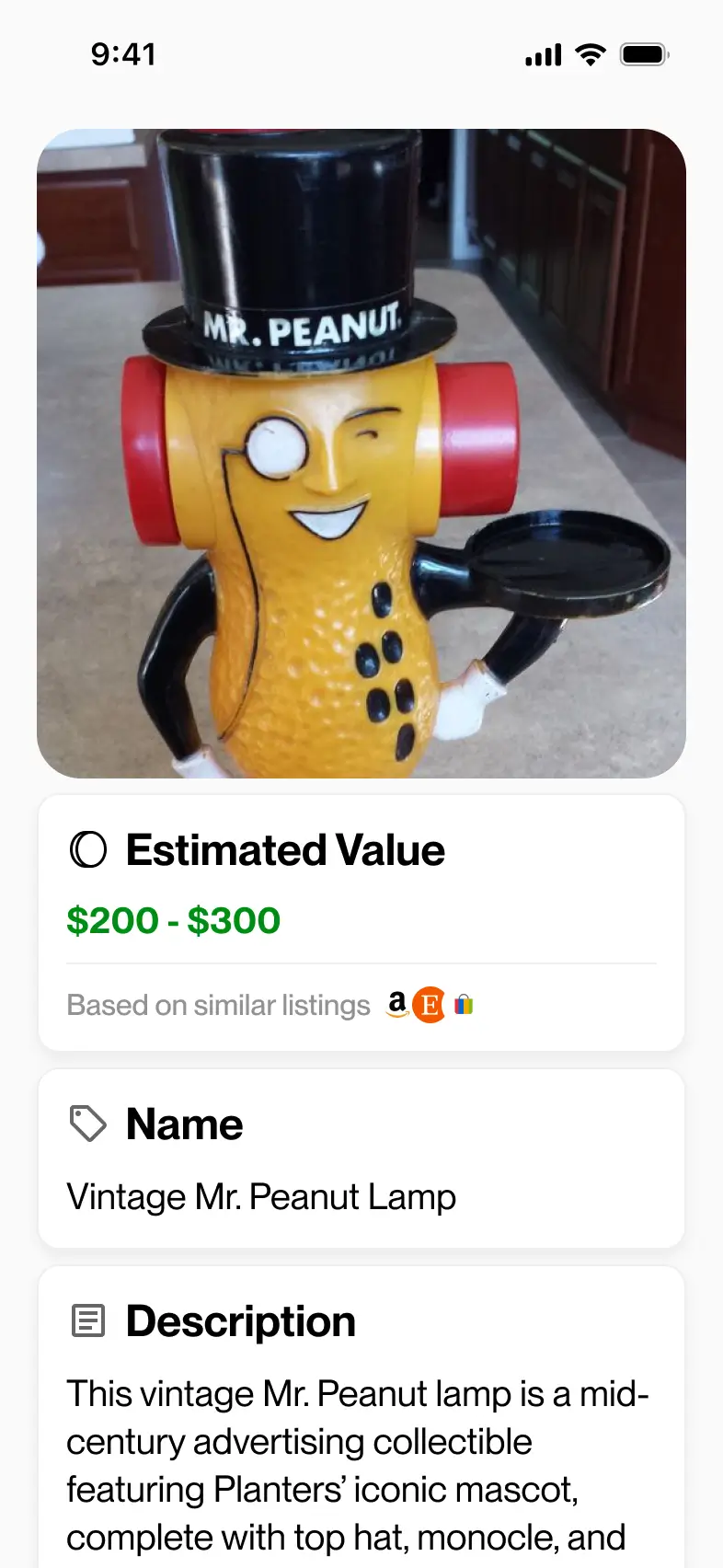
Stop Walking Past Money: The Secret List of Thrift Store Items Worth Thousands

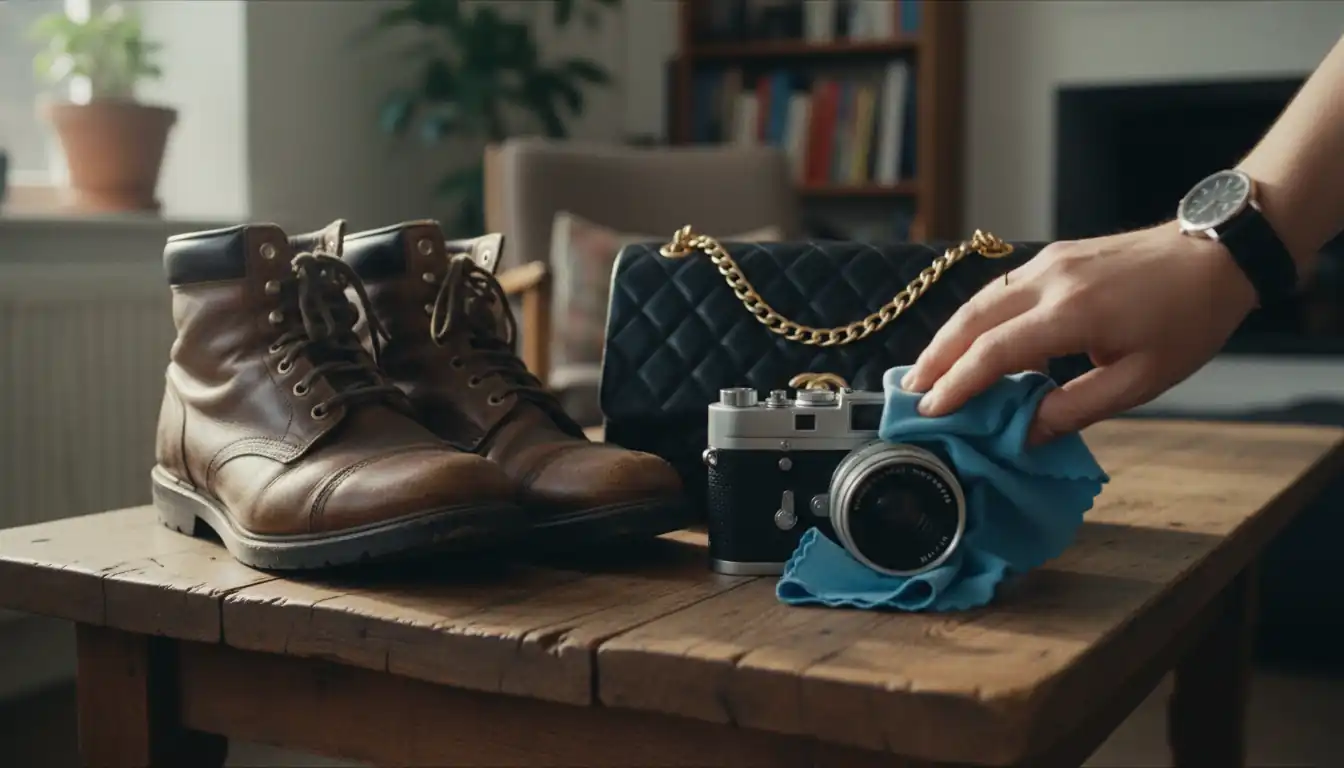
You walk into a local thrift store and see the usual sights: a rack of faded t-shirts, a shelf of mismatched mugs, and a bin of tangled electronics. To most people, this is a graveyard of unwanted goods. To a professional reseller, this is a high-yield investment floor. The difference between the person who leaves with a $5 coffee mug and the person who leaves with a $500 vintage jacket isn't luck. It is the ability to recognize value where others see clutter.
Every day, thousands of dollars in profit sit unclaimed on these shelves. Some items are valuable because of their brand name, while others carry "blind" quality—characteristics that signal high value even without a recognizable logo. Learning to spot these signals allows you to stop walking past money and start building a lucrative side hustle or even a full-time business.
This guide breaks down the specific categories where the highest margins are hidden. You will learn how to identify high-performance apparel, uncover rare antiques, and spot the electronics that collectors are desperate to buy. By the time you finish reading, your perspective on "junk" will be permanently altered.
High Volume Apparel and the Power of Vintage Aesthetics
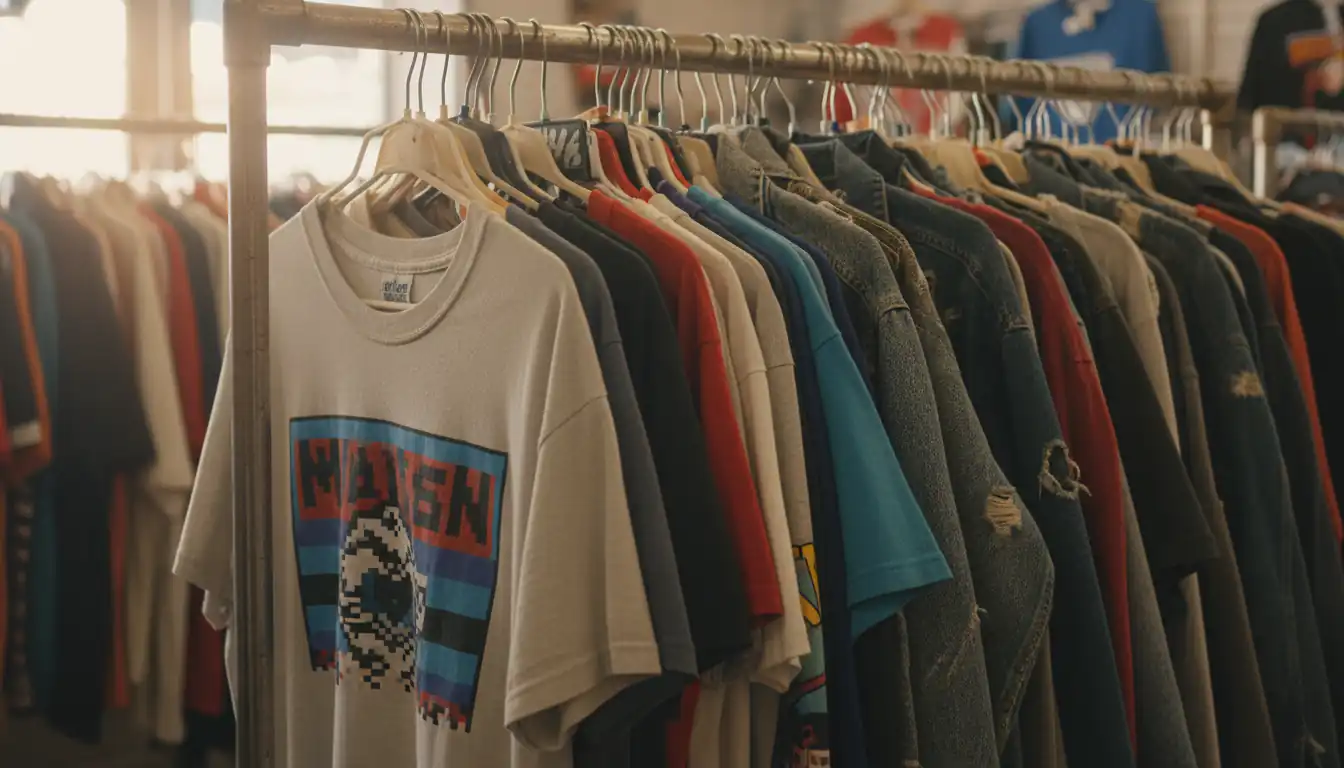
Clothing is the backbone of the resale market. It is the most abundant category in any thrift store, which means it offers the highest potential for consistent, daily sales. When you are scanning the racks, your goal is "velocity"—finding items that will sell within 48 hours of being listed. To achieve this, you need to look for two distinct things: modern high-performance brands and vintage pieces with specific construction details.
Identifying Designer Labels and High Performance Brands
The easiest way to find a quick flip is to look for "technical" clothing. These are items designed for specific outdoor activities like climbing, hiking, or skiing. Brands like Patagonia, Arc’teryx, and Mammut have a cult-like following. Even if a jacket has a small snag or a faded logo, the secondary market for these brands remains incredibly strong because the retail prices are so high.
When you are looking at performance gear, pay attention to the materials. Look for "Gore-Tex" embroidered on the sleeve or "Vibram" on the soles of shoes. These are third-party quality stamps that indicate the item was expensive when new. A Patagonia "Synchilla" fleece, for example, is a staple of the resale world. You can often find these for $10 and sell them for $50 to $70 within days.
| Brand Category | What to Look For | Resale Potential |
|---|---|---|
| Technical Outerwear | Arc'teryx, Patagonia, North Face (Summit Series) | High ($60 - $200+) |
| Athleisure | Lululemon, Alo Yoga, Vuori | Medium ($30 - $70) |
| Workwear | Carhartt (Made in USA), Filson, Ben Davis | High ($50 - $150) |
| Modern Minimalism | Eileen Fisher, Everlane, Theory | Medium ($25 - $60) |
The Resurgence of 90s Streetwear and Workwear
While designer labels are great, some of the biggest profits come from unbranded or "common" vintage items. The current fashion market is obsessed with the 1990s aesthetic. This means that an old, beat-up Carhartt jacket with stains and fraying might actually be worth more than a brand-new one. Collectors call this "patina," and they pay a premium for it.
To identify true vintage pieces among the modern fast-fashion clutter, you need to look at the construction. One of the most reliable indicators is the "single-stitch" seam. If you look at the hem of a t-shirt sleeve and see only one line of stitching instead of two, the shirt was likely made before the mid-90s. These shirts are often made of heavyweight cotton that feels much more substantial than modern blends.
Pro Tip: Don't ignore the "faded" or "cracked" graphics on old t-shirts. A 1994 concert shirt or a promotional tee for a defunct tech company can sell for hundreds of dollars to the right collector.
When you find a piece of clothing that feels heavy, has a "Made in USA" tag, and features a single-stitch hem, buy it. Even if you don't recognize the brand, the construction alone makes it a desirable item for vintage enthusiasts. This "blind" quality is the secret to finding treasure in the most picked-over stores.
Uncovering Hidden Wealth in Antiques and Collectibles
If clothing provides the volume, the home goods and "knick-knack" aisles provide the jackpots. This is where you can find items for $2 that sell for $200. However, this section requires a different set of eyes. You aren't looking for brands as much as you are looking for "form" and "material." This is the realm of Mid-Century Modern (MCM) decor, art glass, and studio pottery.
Spotting Valuable Mid Century Modern Decor
Mid-Century Modern design—roughly from the late 1940s to the late 1960s—is currently the most sought-after style in interior design. Collectors look for clean lines, organic curves, and "atomic" motifs. Even small accessories from this era can be incredibly valuable.
Look for teak wood, brass accents, and "tapered" legs on small furniture or lamps. A common find might be a "starburst" clock or a set of "Danish Modern" candle holders. These items often lack a clear manufacturer's mark, which causes thrift store employees to price them low. To the untrained eye, a heavy, strangely shaped glass bowl is just a bowl. To a collector, it might be a piece of Murano glass from Italy or Fenton glassware from the US.
Using AI Tools to Identify Rare Glassware and Ceramics
The biggest challenge in the antique aisle is the lack of information. Many of the most valuable pieces of pottery or glass have no labels, or the "maker's mark" on the bottom is a cryptic symbol you’ve never seen before. In the past, you would have to spend years studying auction catalogs to know what you were looking at.
This is where modern technology changes the game. If you find a mysterious vase with a unique glaze or a sculpture that feels "important," you can use the Relic app to get an instant answer. By simply taking a photo, Relic’s AI analyzes the item’s shape, color, and texture to provide a real appraisal and historical context. It can identify the origin of a piece of ceramics or the specific era of a glassware set in seconds.
Using a tool like Relic allows you to act with the confidence of a seasoned antique dealer. Instead of guessing whether a piece of "art glass" is a cheap reproduction or a valuable original, you get a professional-grade valuation on the spot. This prevents you from leaving a $300 Murano vase on the shelf because you weren't sure if it was just "pretty junk."
| Item Type | Key Indicators of Value | Potential Profit |
|---|---|---|
| Art Glass | Pontil mark on bottom, heavy weight, vibrant colors | $40 - $500 |
| Studio Pottery | Signed bottom, unique glazes, "brutalist" style | $30 - $250 |
| MCM Brass | Solid weight (not plated), animal shapes, patina | $25 - $100 |
| Vintage Barware | Gold leaf patterns, "atomic" designs, complete sets | $50 - $150 |
Transitioning from the heavy, fragile world of antiques, we move to a category that is much easier to ship and often just as profitable: media and specialized electronics.
The Easiest Flips in Media and Specialized Electronics
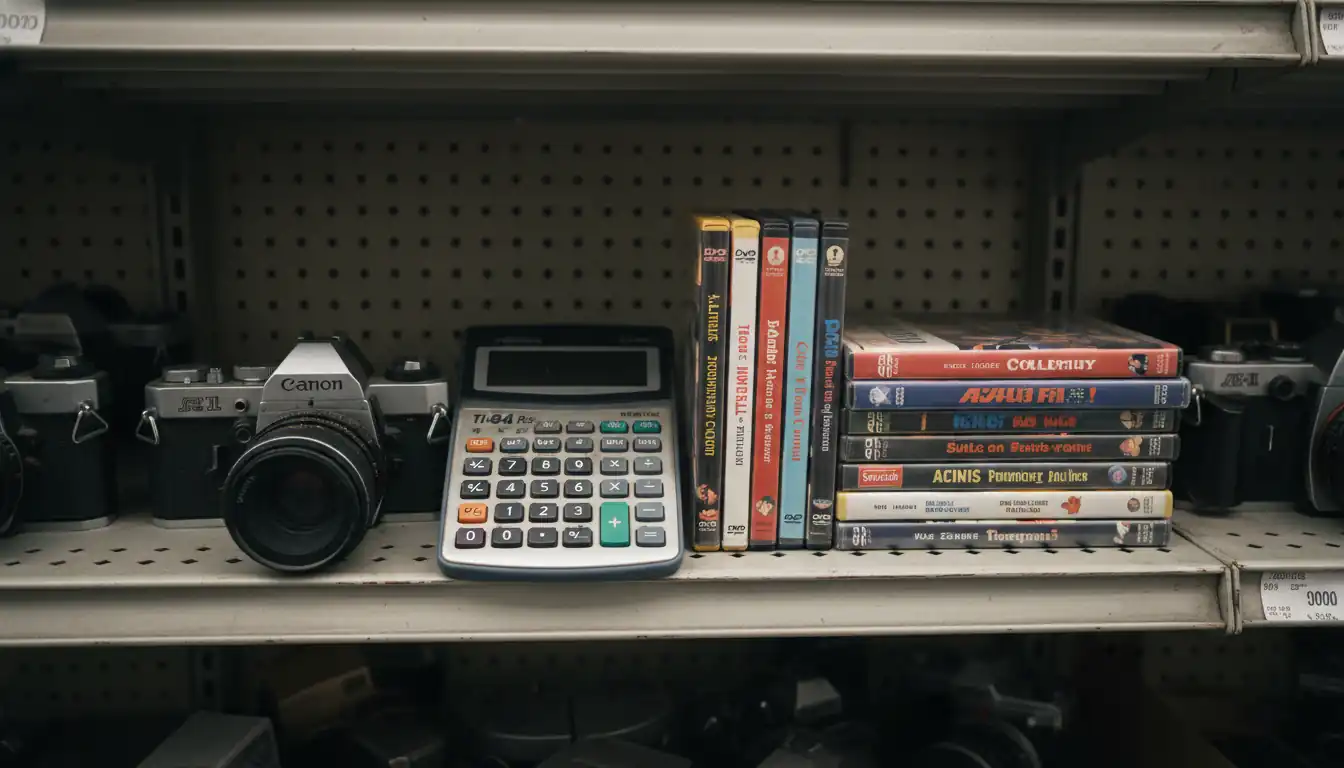
Many resellers avoid the media section because they think DVDs and books are dead. While it's true that most "best-seller" fiction is worthless, there are specific niches within media that are incredibly lucrative. These items are often the easiest things to flip because they are small, lightweight, and easy to ship in a padded envelope.
Niche Textbooks and Out of Print Editions
The "money" in books isn't in the latest thriller; it's in specialized knowledge. Look for textbooks, specifically those in the fields of medicine, engineering, or law. Even editions that are a few years old can still command high prices. Additionally, look for "niche" non-fiction: books on local history, technical manuals for obscure machinery, or out-of-print craft books (like 1970s weaving or woodworking).
First-edition fiction can also be a gold mine, but you have to know how to check the "number line" on the copyright page. A "1" in that sequence usually indicates a first printing. If you find a first printing of a book that later became a cult classic or a major motion picture, you are looking at a significant profit.
Retro Gaming and Vintage Audio Equipment
In the electronics section, ignore the modern DVD players and cheap printers. Instead, look for "Silver Face" audio equipment from the 1970s. Brands like Pioneer, Marantz, and Sansui produced receivers and amplifiers with brushed aluminum faces and wooden cabinets. These are highly prized by audiophiles for their "warm" sound and superior build quality. Even a non-working unit can be sold for parts for $100 or more.
Retro gaming is another high-demand category. While everyone looks for the consoles themselves, the real money is often in the accessories and the games. A "loose" Nintendo 64 controller in a rare color or a specific 90s RPG (Role Playing Game) for the original PlayStation can sell for more than the console itself.
The "Golden Era" Rule: Electronics made between 1970 and 1980 (audio) and 1985 and 2000 (gaming) are currently at their peak resale value.
When you find these items, testing them is key. Most thrift stores have a testing station. If a vintage receiver powers on and the lights glow, you've likely found a winner. These items represent the "easiest" flips because the demand is constant and the buyers are easy to find on platforms like eBay or specialized forums.
High End Kitchenware and Discontinued Appliances
The kitchen section of a thrift store is often overlooked by "fashion" flippers, but it contains some of the most durable and high-margin items in the building. Home cooks are a dedicated demographic. They are often looking for "buy it for life" quality that they can't find in modern big-box stores.
Cast Iron and Professional Grade Cookware
Cast iron is the ultimate "hidden in plain sight" profit maker. A rusty, crusty pan might look like trash, but if it has the names Griswold or Wagner stamped on the bottom, it is a collector's item. These vintage pans are lighter and smoother than modern cast iron, and they can be restored to like-new condition with a little bit of elbow grease.
Beyond cast iron, look for professional-grade stainless steel. Brands like All-Clad are easily identifiable by their "cladded" construction (you can see the layers of metal on the rim of the pan). A single All-Clad skillet can retail for $150; finding one for $8 in a thrift store is a common occurrence because many people don't recognize the brand's understated design.
The Cult Following of Discontinued Small Appliances
Sometimes, a company stops making a product that people absolutely love. When that happens, the used market price skyrockets. This is common with high-end kitchen appliances.
- KitchenAid Attachments: The older, metal versions of grain mills or meat grinders are highly sought after.
- Zojirushi Rice Cookers: These are the "gold standard" and hold their value incredibly well.
- Vintage Pyrex: Look for specific patterns like "Pink Gooseberry" or "Butterprint." A single mixing bowl in a rare pattern can sell for over $100.
- High-End Juicers: Brands like Champion or Angel make heavy-duty juicers that last for decades.
The key to kitchenware is weight. These items are heavy, which means shipping can be expensive. However, because the resale value is so high, buyers are usually willing to pay for shipping, or you can sell them locally on marketplaces to avoid the hassle. The durability of these items makes them a "safe" bet; unlike electronics, there are fewer moving parts that can fail.
Professional Sourcing Strategies and Scaling Your Profit
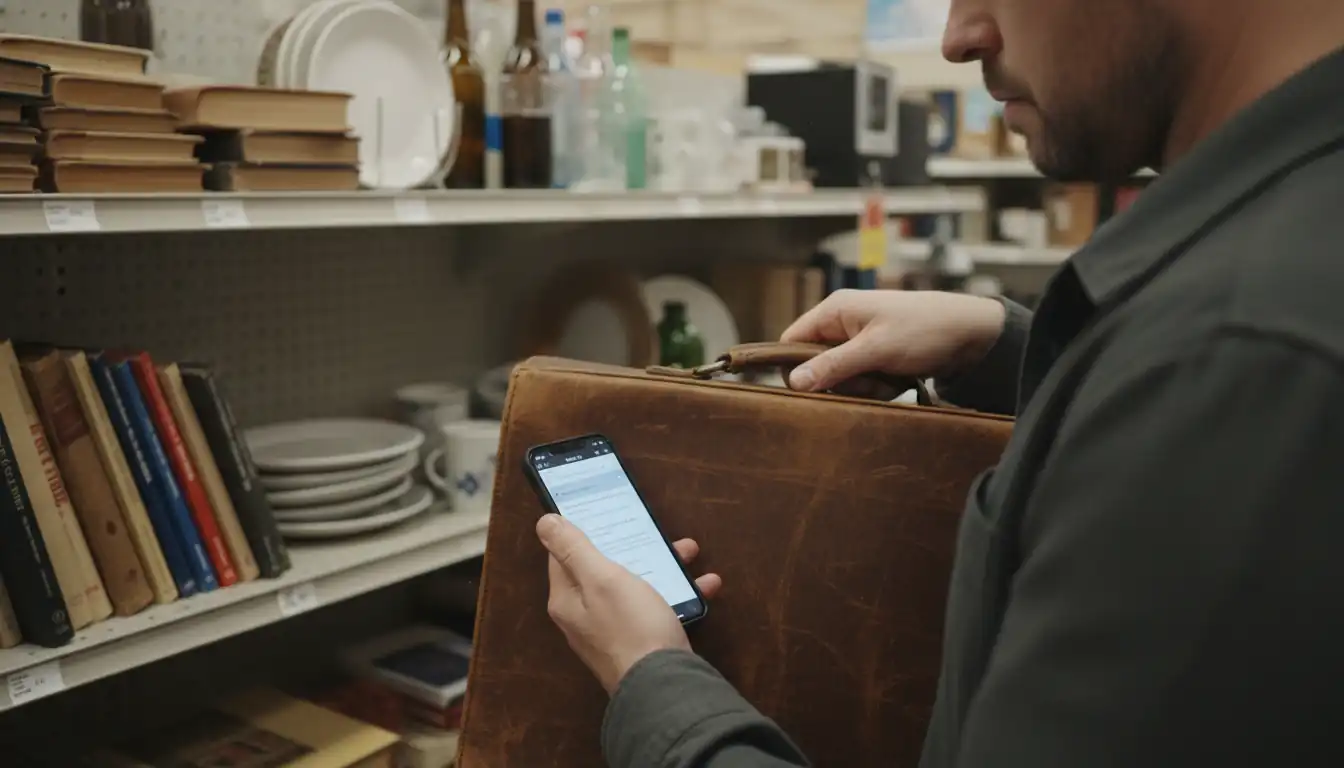
Once you know what to buy, the next step is moving from a casual hobbyist to a professional reseller. This requires a shift in mindset. You are no longer "shopping"; you are "sourcing." Efficiency is the name of the game. The most lucrative resellers are those who can process the most items in the least amount of time.
The Essential Toolkit for Modern Resellers
To scale your business, you need the right tools. Physically, this means having a dedicated space for photography with good lighting and a clean background. It also means having shipping supplies on hand—poly mailers, bubble wrap, and a digital scale—so you aren't running to the post office every time you make a sale.
Digitally, your toolkit is even more important. You need to be able to research prices and identify items on the fly. This is where the Relic app becomes a permanent part of your workflow. When you are in the field, time is your most valuable asset. You don't have twenty minutes to browse through eBay "sold" listings for every interesting item you see.
Using Relic's one-touch scanning allows you to quickly filter through the "noise" of the thrift store. You can scan a shelf of figurines, identify the one that is a genuine antique, get its market value, and move on to the next aisle. This speed allows you to hit three or four stores in the time it used to take to hit one. With a 4.9-star rating from over 20,000 users, it’s a proven way to ensure you aren't overpaying for "duds" that looked better than they actually were.
Avoiding Common Beginner Mistakes in Appraisal
The most common mistake new resellers make is "emotional buying." They buy something because they think it’s cool, not because there is a documented market for it. Just because an item is old doesn't mean it's valuable.
| Pitfall | Why it Happens | How to Avoid It |
|---|---|---|
| The "Old" Trap | Assuming age equals value. | Check "Sold" listings, not "Active" ones. |
| Ignoring Fees | Forgetting that platforms take 10-15%. | Factor in fees and shipping before buying. |
| Condition Blindness | Missing a small hole or crack. | Inspect items under bright light before checkout. |
| Over-Researching | Spending 30 minutes on a $10 profit item. | Use AI tools like Relic for instant identification. |
To be truly lucrative, you must treat your reselling like a business. This means tracking your expenses, understanding your margins, and constantly refining your "buy list" based on what is actually selling. The easiest thing to flip for profit is the item you understand the best. Start with one category—maybe it's 90s t-shirts or vintage kitchenware—and master it before moving to the next.
Conclusion
Thrift stores are one of the few places left where a person with specialized knowledge can consistently "beat the house." Whether it's spotting a single-stitch vintage tee, identifying a piece of MCM art glass with the Relic app, or finding a discontinued kitchen appliance, the opportunities for profit are everywhere.
The secret isn't in finding a "magic" item that exists in every store; it's in developing the eye to see the value that everyone else is walking past. Start by focusing on quality construction and high-performance brands. Use technology to bridge the gap in your knowledge, and always prioritize items with high turnover.
Your next step is simple: head to your nearest thrift store. Don't look at the shelves as a collection of used goods. Look at them as a series of data points. With the right strategy and the right tools in your pocket, you’ll never walk past money again.
Identify antiques instantly
Point your camera at any antique, collectible, or vintage item. Get valuations, history, and market insights in seconds.
Download for iPhone