That Dusty $10 Purse Could Be a $2,000 Vintage Gucci—Here's How to Know for Sure

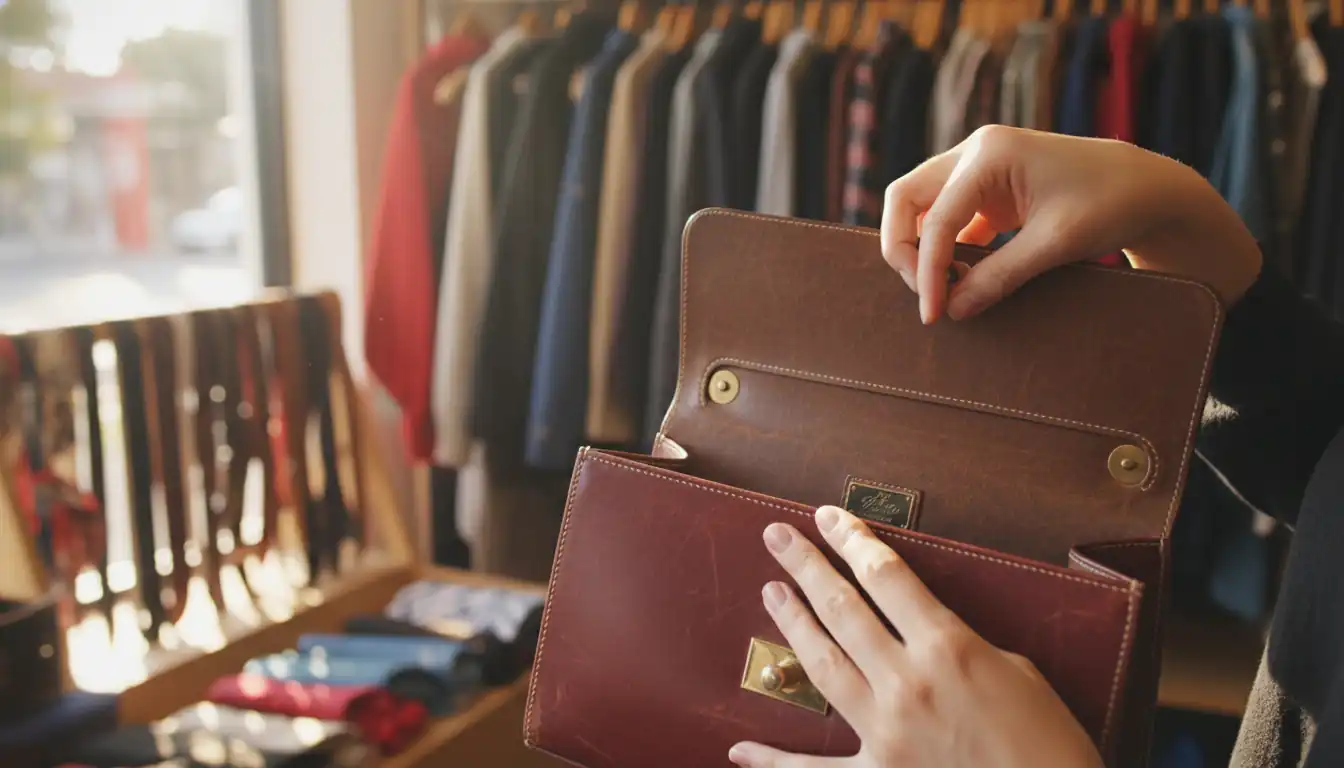
Imagine you are standing in a dimly lit thrift store, the air thick with the scent of aged paper and old fabric. You reach for a nondescript, slightly dusty bag tucked between a worn-out backpack and a generic tote. It feels different—heavier, cooler to the touch, and surprisingly substantial. You glance at the price tag: $10. Your heart skips a beat because something about the way the light hits the brass buckle suggests this isn't just another mass-produced accessory.
This is the moment every vintage hunter dreams of. It is the possibility of finding a piece of fashion history hidden in plain sight. But the line between a genuine vintage Gucci and a clever 1990s knockoff is thinner than a silk thread. To find the treasure, you have to look past the dust and understand the language of luxury craftsmanship.
Identifying a high-value designer bag requires a mix of sensory intuition and technical knowledge. You need to know how leather should age, how metal should sound, and where a master craftsman would hide a signature. By the time you finish reading, you will have the tools to distinguish a masterpiece from a counterfeit, ensuring that your next $10 find is exactly what you hope it is.
The Anatomy of High-End Craftsmanship
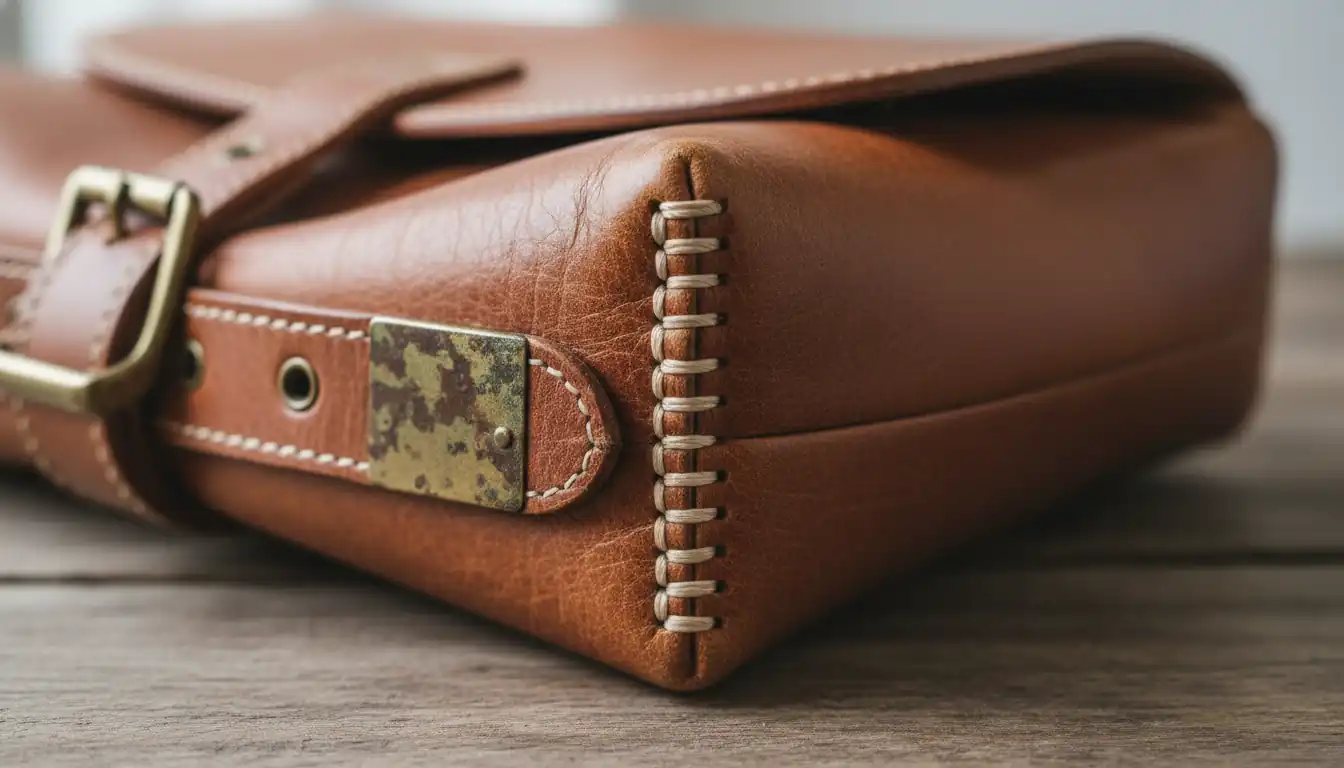
Before you even look for a logo, you should look at the construction. High-end luxury houses like Hermes, Gucci, and Celine didn't become icons because of their marketing alone; they earned their status through obsessive attention to detail. Vintage bags, in particular, were often handmade or hand-finished in small ateliers where quality was the only metric that mattered.
Material Integrity and Weight
The first thing you will notice when picking up an authentic vintage bag is its weight. Modern fast-fashion bags are designed to be lightweight and cheap to ship, often utilizing "bonded leather" or PVC. Bonded leather is essentially the particle board of the fashion world—scraps of leather glued together and coated in plastic. It feels warm, slightly "mushy," and lacks a distinct scent.
Authentic vintage luxury bags usually feature full-grain or top-grain leathers. These materials are dense and heavy. If you pick up a vintage Coach "City Bag" from the 1970s, the thick glovetanned cowhide will feel significantly sturdier than anything you find in a department store today. This leather doesn't peel; it develops a patina—a soft sheen that comes from years of use and natural oils.
Pro Tip: If the bag feels suspiciously light for its size, it is likely made of synthetic materials. Solid brass hardware and thick hide have a physical presence that plastic and "vegan leather" simply cannot replicate.
| Material | Authentic Vintage Characteristic | Counterfeit/Modern Cheap Characteristic |
|---|---|---|
| Leather | Develops a patina; smells like earth/skin | Peels or flakes; smells like chemicals/plastic |
| Hardware | Solid brass or gold-plated steel; cool to touch | Plated plastic or zinc; feels "tinny" and warm |
| Edges | Hand-painted or folded leather edges | "Rubberized" plastic coating that cracks |
Stitching Patterns and Hardware Finishes
Look closely at the seams. In high-end vintage pieces, you are looking for the "saddle stitch." This technique involves two needles passing through the same hole in opposite directions. It creates a slightly slanted, incredibly strong stitch. If one thread breaks, the whole seam doesn't unravel. Most modern fakes use a machine lockstitch, which looks perfectly straight and flat but lacks the character and durability of hand-finishing.
The hardware is another dead giveaway. On a genuine vintage piece, the zippers and buckles are usually solid brass or stainless steel. Over decades, these metals might tarnish, but they won't "chip." If you see silver-colored metal peeking through a gold-colored buckle, it’s a sign of cheap electroplating. Furthermore, luxury brands use high-quality zipper manufacturers. Look for names like Lampo, RiRi, or YKK (specifically the higher-grade YKK versions) engraved on the zipper pull or the underside of the slider.
Decoding Brand-Specific Hallmarks
Once the "gut feeling" of quality is established, it is time to look for the paperwork hidden within the bag. Every major luxury house has a specific system for marking their territory. These hallmarks are the "DNA" of the bag, and they are often the hardest parts for counterfeiters to get exactly right.
Serial Numbers and Date Codes
Louis Vuitton is perhaps the most famous for its date code system. If you find a vintage LV bag, you won't find a "serial number" that is unique to that specific bag. Instead, you will find a date code that tells you when and where it was made.
- Pre-1980s: Many bags had no codes at all.
- Early 1980s: Three or four numbers representing the year and month.
- 1990s to 2000s: Two letters (factory code) followed by four digits.
In the 1990s system, the first and third digits represent the month, while the second and fourth represent the year. If you find a bag with a code like "AR0927," it means it was made in France (AR) in February (02) of 1997 (97). If the numbers don't follow this logic, the bag is a fake.
Chanel uses a more traditional serial number system. These are usually found on a small hologram sticker inside the lining, often tucked into a corner or inside an internal pocket.
- 6-digit codes: Indicate the bag was made between 1984 and 1986.
- 7-digit codes: Cover the mid-80s through the mid-2000s.
- 8-digit codes: Started appearing around 2005.
Logo Geometry and Font Consistency
Counterfeiters often struggle with typography. The Gucci "G" is a perfect example. On an authentic vintage Gucci, the "G" is not a perfect circle. The top of the "G" should have a sharp, clean serif (a small line trailing off the edge), and the curve should be slightly elongated.
Prada is another brand where the logo tells the story. Look at the "R" in the Prada triangle logo. On a genuine bag, the right leg of the "R" has a very distinct notch or "kick" where it meets the loop. If the leg is straight like a standard Arial font "R," the bag is almost certainly a counterfeit.
Common Brand Hallmarks to Check:
- Hermes: Look for the "blind stamp" pressed into the leather, usually on the back of a strap. It will be a letter inside a circle or square, denoting the year.
- Coach: Vintage Coach bags feature a "creed" patch inside. In bags from the 1970s, the creed ended with the phrase "Made in New York City, U.S.A."
- Celine: The "Celine Paris" stamp should be crisp, with the "E" having a very specific accent (Céline) on older models.
Leveraging AI for Instant Authentication
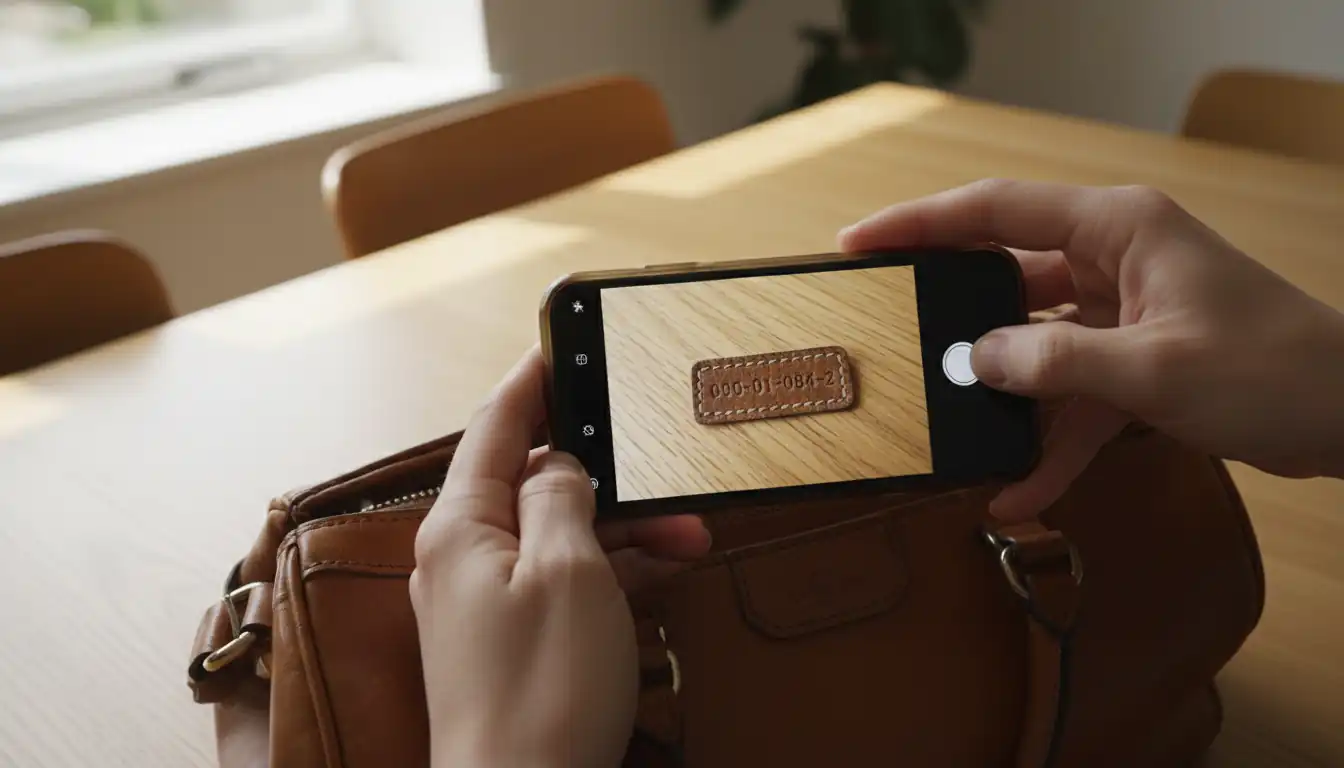
The pressure of a thrift store environment is real. You often have only a few minutes before another shopper notices the item you're holding. While memorizing date codes is helpful, it isn't always practical when you're staring at a brand you've never researched before. This is where modern technology can bridge the gap between a curious amateur and a professional appraiser.
Bridging the Knowledge Gap with Relic
When you find an item that feels high-quality but lacks an obvious logo—or has a logo you don't recognize—you can use the Relic app to get immediate clarity. Relic is an antique and vintage identifier that uses advanced AI to analyze photos of your finds. Instead of scrolling through endless Google Image results, you can simply snap a photo of the bag, the stitching, or the internal stamp.
The app provides a real appraisal, historical context, and the origin of the item. This is particularly useful for identifying "white label" luxury goods or rare collaborations that don't follow a brand's standard design language. For example, if you find a bag with a unique floral pattern that looks like Gucci but doesn't have the "GG" monogram, Relic can identify if it’s a rare piece from the "Flora" collection designed for Princess Grace of Monaco.
Real-Time Appraisal and History
The speed of the app is its greatest asset in the "wild." Professional pickers and dealers use Relic because it provides market insights in seconds. If you are debating whether to spend $50 on a bag that might be worth $500, having access to a searchable catalog and instant identification gives you the confidence to make the purchase.
With over 20,000 reviews and a 4.9-star rating, the app has become a staple for those who make a living finding hidden gems. It removes the guesswork, allowing you to see the "why" behind an item's value. Whether it’s confirming the era of a brass clasp or identifying the specific leather used by a defunct Italian atelier, the AI handles the heavy lifting of research while you focus on the hunt.
"The best tool for a thrifter isn't just a keen eye; it's the ability to verify a hunch before someone else grabs the item."
Red Flags That Scream Counterfeit
Even the most convincing fakes usually have a "tell." Counterfeiters are focused on the exterior appearance because they know most buyers won't look closely at the "guts" of the bag. To avoid being fooled, you must be willing to look at the parts of the bag that aren't meant to be seen.
The Smell and Texture of Synthetic Materials
Your nose is one of your best tools. Authentic leather has a rich, earthy, or slightly sweet scent. It smells like a library or a tack room. Counterfeit bags often have a sharp, acrid, or "chemical" smell. This comes from the cheap glues used to bond synthetic layers together and the petroleum-based dyes used to color the plastic.
Texture is equally telling. Run your hand over the surface. Real leather has pores and slight irregularities. If the surface feels perfectly uniform, like the dashboard of a car, it is likely a synthetic "corrected grain" or a total fake. Also, check the temperature. Real leather and solid metal hardware will feel cool to the touch and slowly warm up as you hold them. Plastic stays relatively neutral or feels "room temperature" immediately.
Lining and Interior Construction Flaws
In a genuine luxury bag, the interior is just as beautiful as the exterior. Brands like Hermes often line their bags with "Chevre" (goat leather), which is incredibly durable and soft. If you open a "designer" bag and find a cheap, scratchy nylon lining that feels like an umbrella, it is a massive red flag.
Check these interior details:
- The Pocket Seams: Are they finished with leather piping, or are they raw and fraying?
- The Alignment: If the bag has an exterior monogram (like the LV Speedy), the pattern should be perfectly symmetrical. If the "LV" is cut off at a seam on one side but not the other, it’s a fake.
- The Glue Residue: High-end bags are stitched, not glued. If you see yellowing glue seeping out from under the lining or around the zipper teeth, put the bag back on the shelf.
| Feature | Authentic Sign | Counterfeit Red Flag |
|---|---|---|
| Zippers | Move smoothly; heavy metal pull | Catch frequently; light plastic or "shiny" metal |
| Lining | Suede, high-quality cotton, or leather | Thin polyester or crinkly nylon |
| Stamping | Deep, crisp, and evenly inked | Shallow, blurry, or "bleeding" ink |
The Thrifter Strategy for High-Stakes Finds
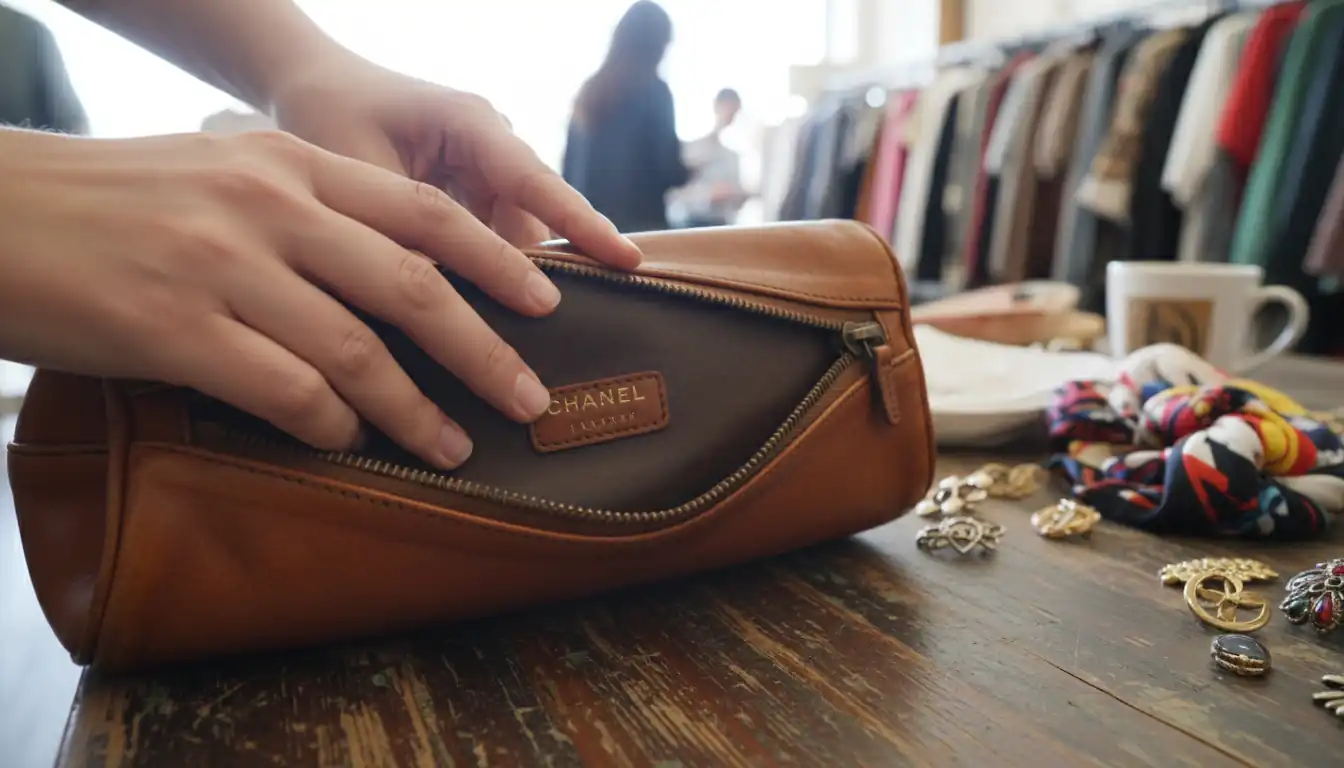
Finding a $2,000 bag for $10 is a game of strategy. It’s about being in the right place at the right time, but it’s also about knowing how to act when the opportunity arises. You need to move with the precision of a professional "picker."
Researching Rare Editions on the Fly
Sometimes, you will find a bag that looks "wrong" because it is so rare. Limited editions, runway samples, or discontinued styles often break the standard rules of a brand. This is where mobile tools become essential. Using an app like Relic allows you to check if that weirdly colored Prada bag is actually a rare collaboration with an artist or a one-season-only release.
Identifying these "outliers" is where the real money is made. Most people can recognize a standard monogram bag, but only a seasoned researcher can spot a "Sac Plat" from a specific 1980s collection that collectors are desperate to find. If you can verify the item's history on the spot, you can justify the investment.
Negotiating and Securing the Deal
If you find an authentic vintage bag but it has a minor flaw—perhaps a stiff zipper or a small water stain on the leather—use this to your advantage. Most thrift store managers aren't experts in luxury authentication. They see a "dirty old bag."
- Point out the "damage": Mention that the leather needs professional restoration (which can be expensive).
- Ask for a discount: "I love the shape of this, but the lining is quite dusty and the brass is tarnished. Would you take $7 instead of $10?"
- Handle with care: While you are inspecting the bag, don't be aggressive. Don't pull on the handles or stress the seams. If it is a genuine vintage piece, the stitching may be decades old. Treat it like the treasure it is.
Once you’ve secured the bag, your first stop shouldn't be the resale market; it should be a leather conditioner. A high-quality cream can bring a "dead" vintage bag back to life, deepening the patina and softening the hide.
Conclusion
The world of vintage luxury is a treasure map written in leather and brass. Finding a $2,000 Gucci in a pile of $10 purses isn't just about luck; it’s about training your eyes to see the quality that others overlook. By understanding the weight of real materials, the geometry of brand hallmarks, and the "tells" of a counterfeit, you transform from a casual shopper into a savvy collector.
Remember that technology is your greatest ally in the field. Tools like the Relic app provide the professional-grade insights you need to make split-second decisions with confidence. Whether you are a seasoned dealer or a weekend hobbyist, having an AI-powered appraiser in your pocket ensures you never leave a masterpiece behind.
Next time you’re at the thrift store, don't just look at the labels. Feel the weight of the hardware, smell the leather, and check the logic of the serial numbers. Your next great find is out there, hidden under a layer of dust, waiting for someone who knows exactly what to look for. Happy hunting.
Identify antiques instantly
Point your camera at any antique, collectible, or vintage item. Get valuations, history, and market insights in seconds.
Download for iPhone