That Dusty Chair Might Be a Masterpiece—How to Identify Antiques by Their Legs

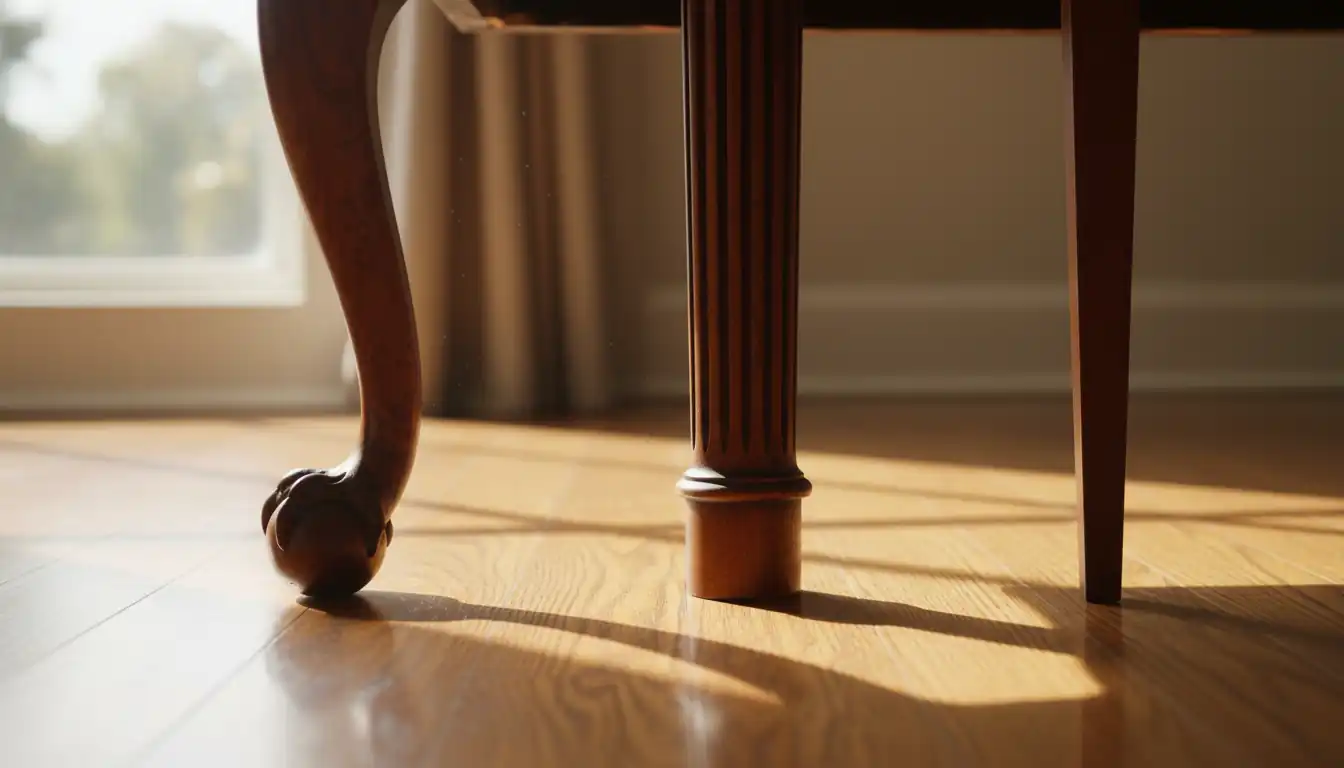
Imagine you are walking through a crowded estate sale or a dusty corner of a local thrift shop. Your eyes land on a chair tucked away in the back, its upholstery faded and its frame covered in a layer of grime. To most people, it looks like a piece of junk destined for the landfill. To a seasoned collector, however, that chair is whispering its history through the shape of its legs.
Furniture legs are the "shoes" of the design world. Just as a pair of vintage brogues can tell you about a person's style and era, the silhouette of a chair or table leg reveals the decade it was born, the tools used to shape it, and the social status of its original owner. Learning to read these wooden supports is the fastest way to separate a mass-produced reproduction from a genuine historical treasure.
By the time you finish this guide, you will have the vocabulary of a professional appraiser. You will understand why a specific curve matters, how to spot the difference between hand-carved details and machine-made replicas, and how to use modern technology to confirm your find. Whether you are looking to flip furniture for a profit or simply want to know if your grandmother’s vanity is a museum piece, the answers are right there at the floor level.
Decoding the Anatomy of Antique Legs
Before you can identify a specific style, you need to understand the rules of the game. In the world of high-end collecting, words like "old," "vintage," and "antique" are not interchangeable. They have specific legal and professional meanings that directly impact how much a piece is worth. If you walk into an auction house and call a 1950s chair an "antique," you might get a few polite smiles, but you won't be taken seriously.
Understanding the 100 Year Rule
The most important distinction to learn is the "100-year rule." In the United States and many other parts of the world, an item is only legally considered an antique if it is at least 100 years old. This isn't just a tradition; it is a standard used by customs offices and professional appraisal organizations.
- Antique: A piece of furniture crafted at least a century ago. These items often show signs of hand-tooling and possess a "patina"—a soft glow and wear pattern that only comes with age.
- Vintage: This term generally refers to items that are at least 20 years old but haven't yet hit the century mark. A mid-century modern chair from 1960 is vintage, not antique.
- Reproduction: A modern piece made to look like an older style. These can be beautiful, but they lack the historical value and craftsmanship of an original.
Why does this rule matter? Valuation. An original 18th-century chair might be worth thousands of dollars, while a high-quality reproduction from the 1920s might only be worth a few hundred. Identifying the age starts with looking at the construction of the legs. Are they perfectly symmetrical, suggesting a modern machine? Or do they have slight variations that hint at a craftsman’s chisel?
Key Components from Foot to Knee
To describe a piece of furniture to an expert—or to search for it effectively online—you need to know the names of the parts. Think of a furniture leg as having a human-like anatomy. When you look at a leg, you should evaluate it from the ground up.
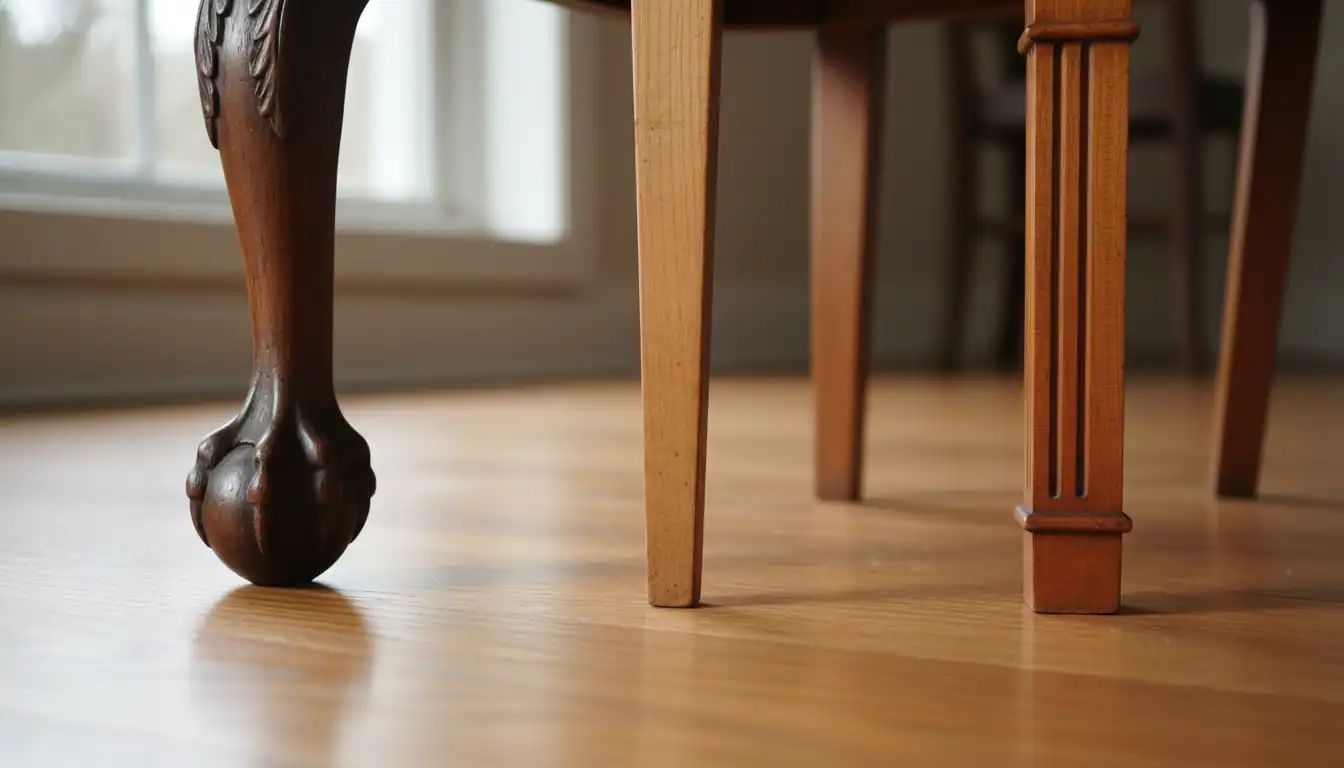
The Foot The foot is the very bottom of the leg that touches the floor. This is often the most decorative part and provides the strongest clue about the era. Common types include the ball-and-claw, the pad foot, and the bracket foot. The foot is the "foundation" of the piece's identity.
The Ankle Just above the foot is the ankle. In more delicate styles, like those from the Federal or Neoclassical periods, the ankle is incredibly thin. In sturdier, earlier styles like the Jacobean, the ankle might be non-existent, with the leg remaining thick all the way to the base.
The Calf and Knee The calf is the middle section of the leg, while the knee is the uppermost part where the leg joins the frame of the furniture (the "apron"). In styles like the Cabriole, the knee is often the widest part and may be adorned with carved shells, acanthus leaves, or other motifs.
Pro Tip: When examining the knee, look at the "joinery"—the place where the leg meets the chair frame. On genuine antiques, you may see wooden pegs or hand-cut mortise and tenon joints rather than modern metal screws or staples.
| Component | What to Look For | Significance |
|---|---|---|
| Foot | Shape and wear patterns | Indicates the specific decade and region of origin. |
| Ankle | Thickness and taper | Shows the level of delicacy and the tools used. |
| Knee | Carvings and joinery | Reveals the skill of the craftsman and the style movement. |
Graceful Curves of the Golden Age
The 18th century is often referred to as the "Golden Age" of furniture design. During this time, furniture moved away from being purely functional and became a form of high art. This era was dominated by two major styles: Queen Anne and Chippendale. If you see a leg that curves gracefully like a dancer’s leg, you are likely looking at a piece influenced by this period.
Mastery of the Cabriole Leg
The Cabriole leg is perhaps the most recognizable element in all of antique furniture. It features a double curve: the top (the knee) bulges outward, while the lower part (the ankle) curves inward, ending in a decorative foot. This "S" shape was inspired by the legs of certain animals, like goats or horses, in mid-leap.
The type of foot attached to a Cabriole leg is a "cheat sheet" for dating the piece:
- The Pad Foot: Common in the Queen Anne style (1700–1755). It is simple, rounded, and sits on a small "disk." This reflects the understated elegance of the early 18th century.
- The Ball-and-Claw Foot: This is the hallmark of the Chippendale style (1750–1780). It depicts a bird's talon or a lion's paw clutching a ball. This motif actually originated in ancient China, representing a dragon guarding a pearl.
- The Trifid Foot: A three-toed foot often found on furniture from the Philadelphia region during the mid-1700s.
If the curve of the leg feels stiff or "clunky," it might be a Victorian-era reproduction. Original 18th-century Cabriole legs have a fluid, organic energy. They look like they are supporting the weight of the chair with effortless grace.
Flemish Scroll and Baroque Influence
Before the refined Cabriole leg took over, the Baroque era gave us the Flemish Scroll. This style is much heavier and more dramatic. Instead of a smooth "S" curve, the leg is made of carved scrolls that turn in opposite directions.
The Flemish Scroll is a "C" or "S" shape that looks like a piece of rolled-up parchment. These legs are often found on very high-backed chairs with intricate cane work. They represent a time when furniture was meant to show off wealth and power through sheer ornamentation. If you find a leg that looks like it belongs in a palace, with deep, heavy carvings and a dark finish, you are likely looking at the Baroque influence of the late 17th or early 18th century.
Refined Symmetry of Neoclassical Styles
As the 18th century progressed, tastes shifted. People grew tired of the heavy curves and ornate carvings of the Baroque and Rococo periods. This change was fueled by the discovery of ancient ruins in Pompeii and Herculaneum, which sparked a massive interest in the "clean" lines of Greek and Roman architecture. This movement is known as Neoclassicism.
Hepplewhite and the Art of the Taper
George Hepplewhite was one of the "big three" English furniture designers, and his style is defined by lightness and elegance. If you see a leg that is straight and gets narrower as it reaches the floor, you are looking at a tapered leg.
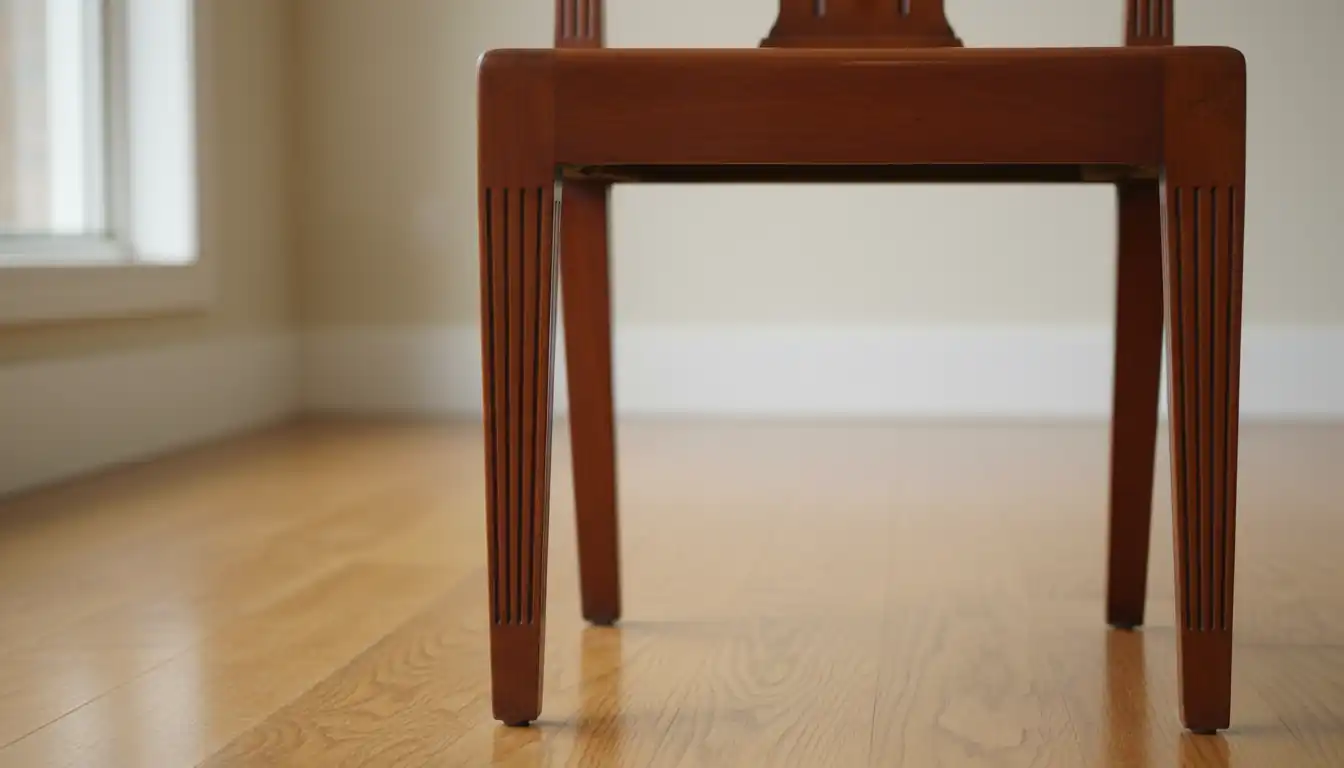
- Hepplewhite Legs: These are typically square and tapered. They often end in a "spade foot," which looks like a small, rectangular block slightly wider than the ankle.
- Sheraton Legs: Thomas Sheraton, another giant of the era, preferred round tapered legs. These often feature "reeding"—raised vertical ridges that look like a bundle of sticks tied together.
This shift toward the taper was revolutionary. It made furniture look like it was floating. It was a move toward symmetry and away from the "animalistic" look of the Cabriole leg.
Marlborough Legs and Fluted Details
One question that often comes up in antique circles is: What is a Marlborough leg?
A Marlborough leg is a heavy, straight, square leg that does not taper. It usually ends in a simple block foot. While it sounds simple, it was actually a very prestigious style used by Thomas Chippendale, particularly in his "Chinese Chippendale" designs. These legs often feature "fluting"—which is the opposite of reeding.
- Fluting: Recessed, vertical grooves cut into the wood. Think of the columns on the Parthenon.
- Reeding: Raised, rounded ridges that stand out from the surface of the wood.
Identification Tip: Run your fingernail across the grooves. If they go into the wood, it's fluted. If they bump out, it's reeded. Fluting is common in Hepplewhite and early Neoclassical pieces, while reeding became the height of fashion during the Sheraton and Regency periods.
Sturdy Foundations of the Early Eras
To find the oldest furniture, we have to go back to the 17th century. This was a time before the invention of the fine saws and delicate chisels used in the Golden Age. Furniture from this era—often called Jacobean or William and Mary—is characterized by its "sturdiness" and "utility."
Jacobean Strength and Turned Wood
Jacobean furniture (1603–1688) is usually made of dark, heavy oak. The legs weren't carved by hand into "S" shapes; instead, they were "turned" on a lathe. A lathe spins a piece of wood at high speeds while a craftsman holds a tool against it to cut out circular patterns.
- The Melon Bulb: This is a thick, oversized, onion-shaped swelling in the middle of a leg. It looks almost like a piece of fruit.
- The Bun Foot: A simple, squat, rounded foot that looks like a slightly flattened ball or a bread roll.
These pieces feel primitive compared to the delicate Hepplewhite chairs, but they have a massive, architectural presence. They were built to last for centuries, and many have.
Trumpet and Gateleg Variations
As we move into the William and Mary period (late 1600s), the legs became slightly more refined but remained "turned."
The Trumpet Leg As the name suggests, this leg looks like an inverted trumpet or a horn. It starts thin at the bottom and flares out into a wide, rounded shape at the top. It is often capped with a ball foot. This style is a hallmark of high-end colonial American furniture.
The Gateleg Table This is a marvel of early engineering. A gateleg table has legs that can swing out like a gate to support a folding leaf. When the "gate" is closed, the table takes up very little space. The legs on these tables are almost always turned in a "bobbin" or "ball" pattern, looking like a string of wooden beads.
If you find a piece with these heavy, turned features, you aren't just looking at a chair; you're looking at a piece of history from the era of the first settlers and the early monarchy.
Digital Tools for Instant Identification
Identifying antiques by their legs is a skill that takes years to master. Even professionals sometimes struggle to distinguish between a 1760 original and a 1920s "Centennial" reproduction. The wood grain, the type of nails used, and the subtle depth of the carvings all play a role.
Using Relic for Real Time Appraisals
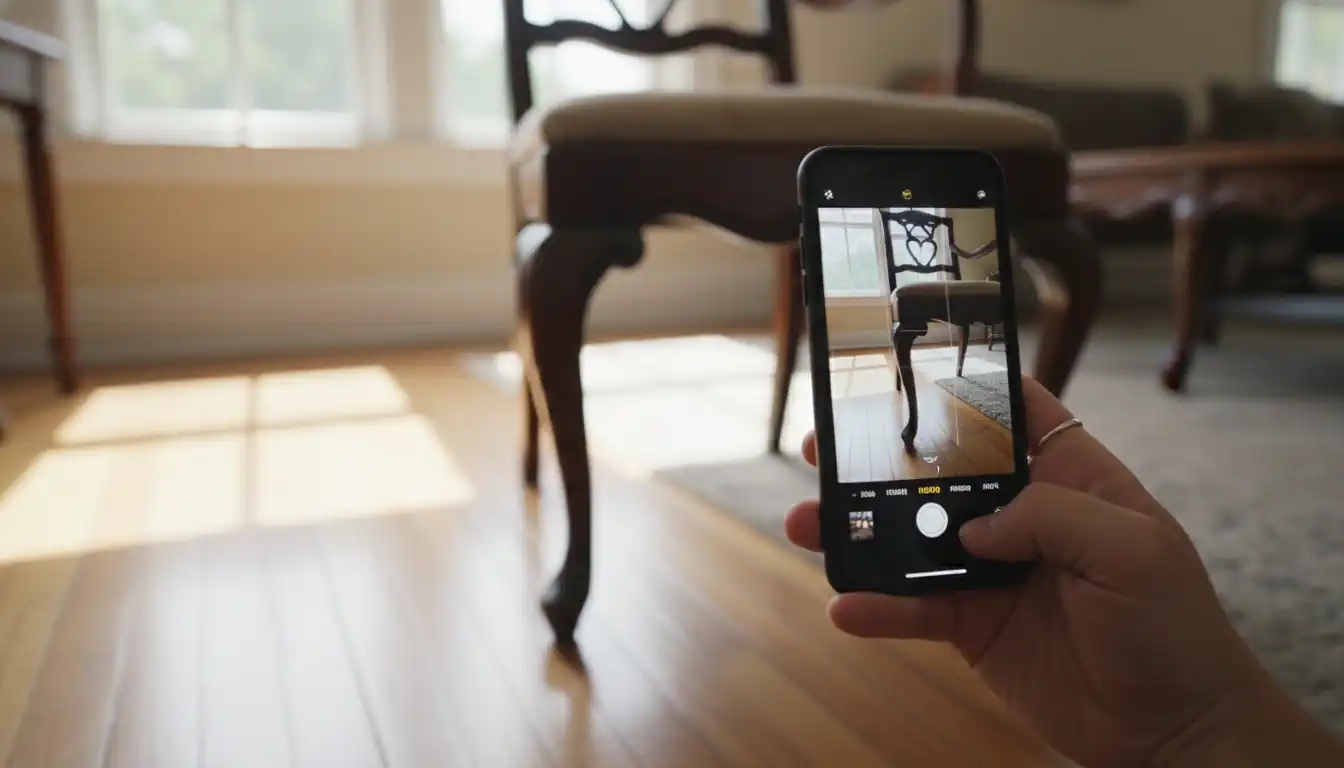
This is where modern technology bridges the gap between amateur enthusiasts and professional appraisers. If you find yourself staring at a mysterious set of fluted legs at a garage sale, you don't have to guess. You can use the Relic app to get an instant answer.
Relic is an antique identifier designed for the iOS platform. It uses advanced AI to analyze the silhouette, joinery, and wood characteristics of an item. Here is how you can use it in the field:
- Capture the Details: Take a clear photo of the leg, specifically focusing on the foot and the knee.
- Instant Analysis: Relic's AI compares your photo against a massive database of historical styles and auction records.
- Professional Appraisal: The app doesn't just give you a name; it provides a real appraisal, history, and the origin of the item.
With over 20,000 reviews and a 4.9-star rating, Relic has become the "expert in the pocket" for pickers, dealers, and online sellers. It’s particularly useful when you encounter "transitional" pieces—furniture made during a decade when styles were shifting from, say, Queen Anne to Chippendale. Instead of carrying a stack of heavy reference books, you can simply scan the item and get a market valuation in seconds.
Preserving the Patina on Antique Legs
Once you have identified a masterpiece using the visual cues we've discussed and confirmed it with Relic, your next job is to protect it. The most common mistake new collectors make is "over-cleaning" their finds.
The "patina" is the thin layer of oxidation, wax, and wear that builds up on the surface of wood over a century. This patina is what gives an antique its "soul" and a large portion of its value. If you scrub a 200-year-old leg with harsh chemicals or sand it down to "make it look new," you could instantly destroy 80% of its market value.
- Cleaning: Use a soft, lint-free cloth to remove dust. If there is grime, use a very mild solution of water and Murphy’s Oil Soap, but keep the cloth damp, not soaking.
- Waxing: A high-quality beeswax or paste wax can help protect the wood and enhance the patina without damaging the original finish.
- Environment: Keep antique legs away from direct sunlight and radiator heat, which can cause the old wood to shrink and the joints to crack.
Conclusion
That dusty chair in the corner might just be a forgotten relic of history. By looking at the legs—from the sturdy, turned oak of the Jacobean era to the graceful, "S" curved Cabriole legs of the Golden Age—you can unlock the story of any piece of furniture. You now know that a straight, square leg might be a Marlborough, and that a tapered leg with raised ridges is a sign of Sheraton’s Neoclassical influence.
The world of antiques is no longer a mystery reserved for elite auctioneers. With the vocabulary you've learned here and the power of the Relic app on your phone, you are ready to start your own treasure hunt. The next time you see a piece of furniture, don't just look at the seat or the back. Look down. The legs are telling you exactly what the piece is worth—you just have to know how to listen.
Identify antiques instantly
Point your camera at any antique, collectible, or vintage item. Get valuations, history, and market insights in seconds.
Download for iPhone