That Dusty Shelf Might Hold a Fortune: Identifying and Appraising High-Value Thrift Store Finds

That dusty, cluttered shelf at the back of a local thrift store often hides more than just discarded trinkets and outdated kitchenware. For the observant eye, it represents a frontier of untapped value where a five-dollar investment can transform into a four-figure windfall. The challenge has never been the lack of valuable items; it has always been the difficulty of identifying them before someone else does.
Traditional antique hunting used to require decades of study, a library of physical price guides, and a fair amount of guesswork. You had to memorize the specific curve of a Chippendale chair leg or the exact shade of "oxblood" glaze on a Ming-style vase. Today, the barrier to entry has collapsed, replaced by sophisticated tools that put the expertise of a master appraiser directly into your pocket.
This guide explores how you can transition from a casual browser to a sophisticated collector. You will learn to read the physical language of antiques, understand the global forces that dictate price, and use modern technology to verify your finds in real-time. By the time you reach the end of this article, you will have a roadmap for turning a weekend hobby into a data-driven pursuit of history and profit.
The Modern Hunter's Toolkit for Instant Identification
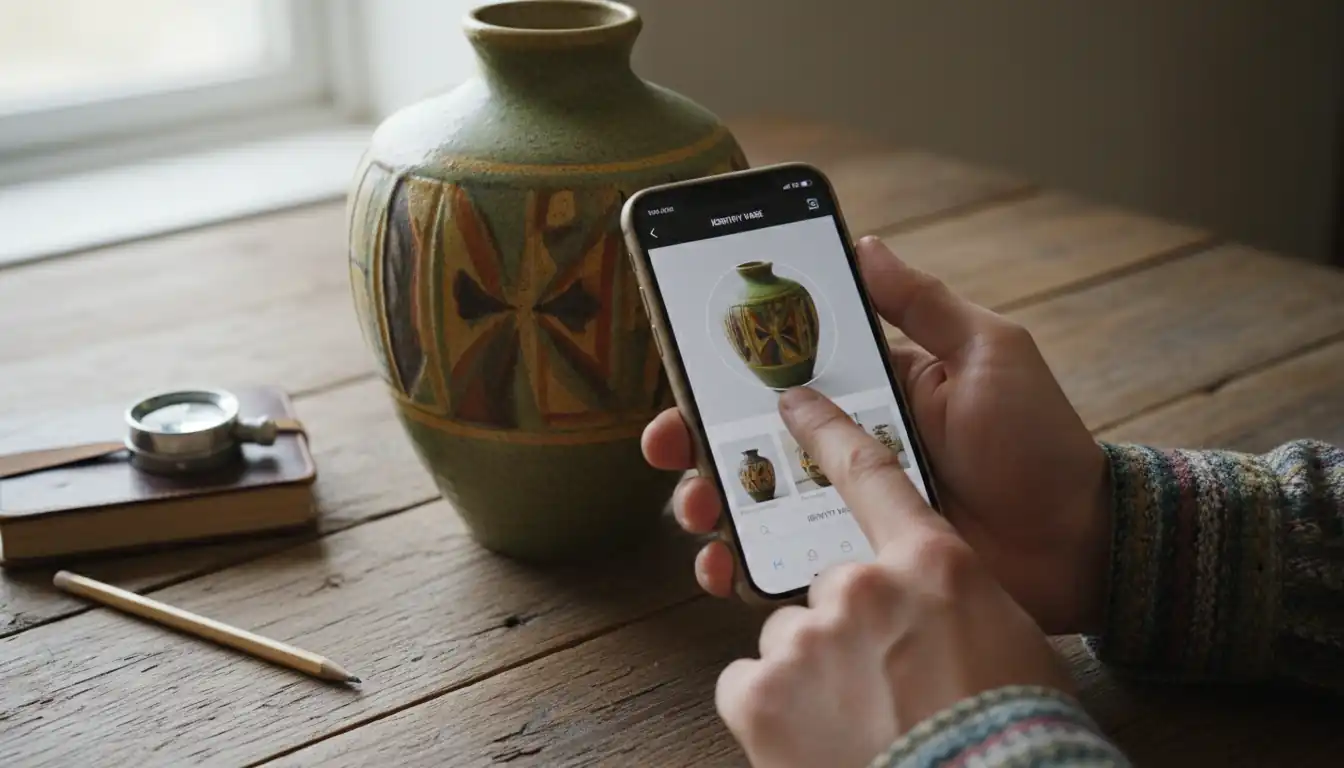
The era of carrying heavy reference books into a crowded shop is over. In the past, if you found a piece of pottery with an obscure mark, you had to hope your mobile data was strong enough to scroll through thousands of low-resolution Google Image results. This manual process was fraught with errors. A slight variation in a logo or a misunderstood decorative motif could lead you to overpay for a reproduction or, worse, leave a genuine masterpiece on the shelf.
The shift toward digital identification has changed the fundamental nature of the "hunt." We have moved from keyword-based searching to visual intelligence. Keyword searches are inherently limited by your own vocabulary. If you don't know that a specific glass pattern is called "Thumbprint" or "Coin Spot," you cannot search for it effectively. Visual recognition technology bypasses this limitation by analyzing the object itself—its shape, color, texture, and markings—to find a match in global databases.
Using AI for Real-Time Appraisal
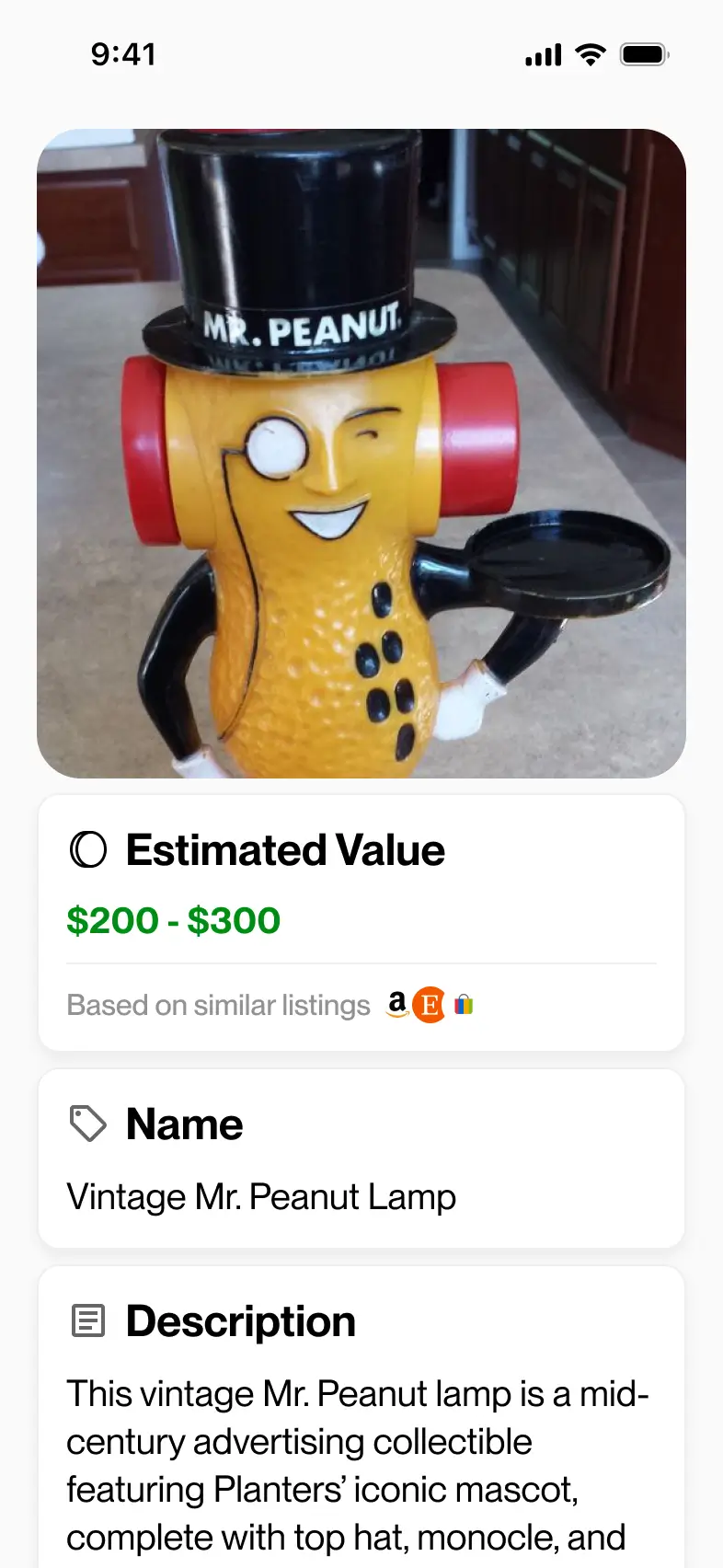
Modern collectors now use AI-powered applications to bridge the gap between curiosity and certainty. One of the most effective tools in this category is Relic, an iOS app designed specifically for antique identification. Instead of typing descriptions into a search bar, you simply take a photo of the item. Relic uses advanced AI to analyze the visual data, providing an immediate history, origin, and appraisal of the object.
This technology works by comparing your photo against millions of verified auction records and historical archives. It looks for patterns that the human eye might miss, such as the specific weight of a line in a painter’s signature or the subtle visual characteristics and surface texture of a glaze reflected in the light. This level of detail provides a sophisticated appraisal estimate in seconds, allowing you to make an informed buying decision while you are still standing in the aisle. However, it is important to note that AI-generated appraisals are estimates; for high-value items, these results should be used as a preliminary guide and verified by human experts, as AI can sometimes be deceived by high-quality forgeries or "in the style of" signatures.
Moving Beyond the Limitations of Keyword Searching
Relying on text-based searches often leads to "false positives." For example, searching for "vintage blue bird figurine" will return thousands of results, most of which are modern mass-produced items. However, a visual identification tool understands the difference between a 1950s ceramic piece from a local hobbyist and a rare 18th-century porcelain figure from the Meissen factory in Germany.
- Visual Context: AI identifies the era based on stylistic cues rather than just the subject matter.
- Pattern Recognition: Software can identify specific maker's marks even when they are partially faded or stamped upside down.
- Instant Comparison: The tool compares your item to recent realized prices at auction houses like Sotheby’s or Christie’s, not just listed prices on eBay which may never sell.
The true value of an item isn't what someone asks for it; it's what a buyer has actually paid for it in a competitive market.
Decoding the Physical Language of Value
Before you even reach for your phone, you should perform a preliminary physical inspection. Antiques "speak" through their construction. Every era had specific manufacturing techniques that are difficult and expensive to replicate. Learning these physical cues allows you to filter out the noise and focus your digital appraisal efforts on the items with the highest potential.
Deciphering Faded Hallmarks and Maker's Marks
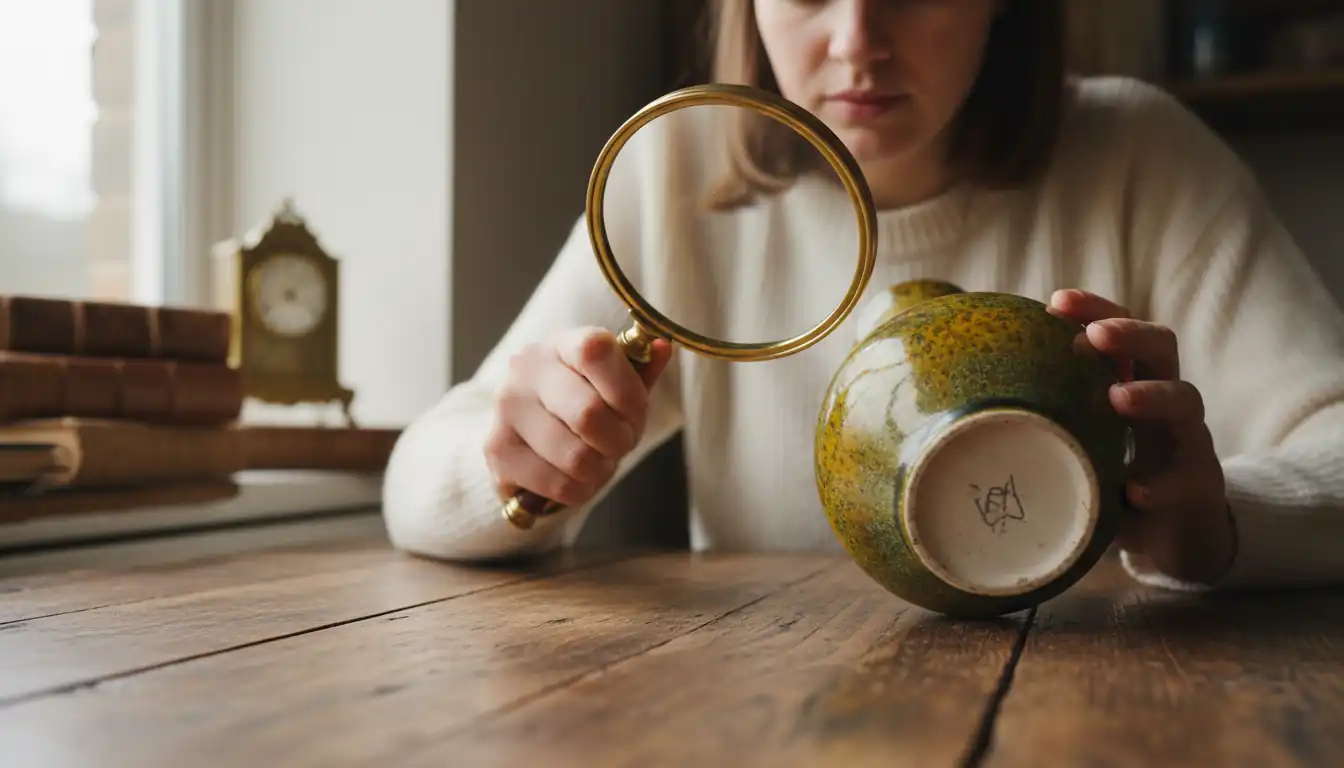
The most direct evidence of value is often found on the bottom or back of an item. Silver, gold, and pewter almost always carry hallmarks. These small stamps indicate the purity of the metal, the year of manufacture, and the city where the piece was assayed. However, these marks are often tiny and worn down by years of polishing.
When you encounter a mark that is too small to read, visual identification tools become indispensable. By taking a high-resolution macro photo, you can allow the software to enhance the image and compare the mark against a digital library of thousands of historical stamps. This can tell you instantly if a piece of "silver" is merely silver-plated or if it is high-purity sterling from a prestigious London silversmith.
| Material | Common Markings to Look For | Value Indicator |
|---|---|---|
| Sterling Silver | Lion Passant, 925, or Anchor | High intrinsic and collector value |
| Porcelain | Crossed swords, crowns, or hand-painted initials | Indicates specific factory and artist |
| Fine Jewelry | 14K, 18K, Plat, or designer signatures (e.g., Tiffany & Co) | High resale value based on materials and brand |
| Art Glass | Acid-etched signatures on the base | Identifies prestigious makers like Lalique or Steuben |
Identifying Material Authenticity in the Field
Authenticity is often found in the "imperfections" of age. Modern mass-produced items are too perfect. In contrast, older items show the hand of the maker. For furniture, look at the joinery. Hand-cut dovetails—the interlocking joints found on the sides of drawers—will be slightly uneven. If the dovetails are perfectly uniform, the piece was likely made by a machine after 1860.
In ceramics and porcelain, look for "kiln marks" or slight variations in the hand-painted decoration. A machine-printed pattern will have a series of tiny dots (like a newspaper photo), whereas a hand-painted piece will have visible brushstrokes and varying thicknesses of paint. Visual AI tools like Relic are particularly adept at recognizing these textures, helping you distinguish between a genuine hand-painted antique and a modern "transferware" reproduction.
- Weight and Density: Real crystal is heavier than glass and produces a clear "ring" when tapped.
- Temperature: Genuine gemstones and cold-painted metals feel cold to the touch, whereas plastic or resin imitations warm up quickly.
- Wear Patterns: Look for "shelf wear" on the bottom of heavy items. Genuine age creates a specific type of smoothing that is hard to fake.
Global Market Dynamics and Regional Demand
A common mistake new collectors make is assuming an item’s value is the same everywhere. The antique market is not a monolith; it is a collection of regional markets influenced by local history, cultural trends, and economic shifts. An item that is common in one part of the world might be a rare, high-demand treasure in another.
Understanding the "origin" of an item is the first step in unlocking its global value. If you find a piece of 19th-century African beadwork in a Midwestern thrift store, its value in that local shop might be negligible. However, in the European or Middle Eastern markets, where there is a high concentration of tribal art collectors, that same piece could command a premium.
Why Your Find Might Be Worth More in Europe or Asia
The flow of wealth often dictates the flow of antiques. Currently, there is a massive "repatriation" trend in the art world. Collectors in China, for example, are aggressively buying back high-quality Chinese porcelain and jade that left the country during the 19th and 20th centuries. This has caused prices for specific Asian antiques to skyrocket globally.
Similarly, Mid-Century Modern furniture remains highly sought after in the United States, but specific European designers from the same era—such as those from the Italian or Scandinavian schools—often fetch higher prices in London or Paris. By using an app like Relic to identify the exact origin and designer of a piece, you can determine which market will offer the best return on your investment.
Navigating International Trends from Your Smartphone
You no longer need to subscribe to international trade journals to know what is trending in Tokyo or Berlin. Digital appraisal tools aggregate data from global auction houses, giving you a bird's-eye view of the market. This data allows you to spot "arbitrage" opportunities—buying an item where it is undervalued and selling it where the demand is highest.
Knowledge of an item's origin is the difference between selling a "pretty plate" for $20 and selling a "Qing Dynasty ceremonial charger" for $2,000.
- Regional Specialization: Certain brands, like Wedgwood (UK) or Noritake (Japan), have dedicated collector bases in their home countries.
- Historical Context: Items associated with specific historical events or eras (e.g., Art Deco, Victorian, or Colonial) fluctuate in value based on current interior design trends in different regions.
- Currency Fluctuations: Sometimes, the value of an antique rises simply because the currency in a major buying market (like the Euro or Yen) has strengthened.
Privacy and Security in Digital Appraising
As you begin to find and document high-value items, the security of your data becomes just as important as the physical safety of the objects. When you use an app to identify a valuable antique, you are essentially creating a digital map of your most valuable possessions. This information must be handled with extreme care.
Many free or low-quality apps may sell your data or link your high-value inventory photos to your personal identity and GPS location. This creates a significant security risk. If a database is breached, a "shopping list" for thieves could potentially be created, linking expensive items directly to specific households.
Protecting Your Collection Data
When choosing an appraisal tool, you must look for professional-grade privacy features. A secure app should treat your collection like a private vault. This means your photos and appraisal history should be encrypted and not shared with third-party advertisers.
- Data Minimization: The app should only ask for the permissions it absolutely needs to function (like camera access) and should not require unnecessary personal details.
- Secure Records: Your appraisal history is a sensitive financial record. Ensure the app provides a way to manage these records securely, allowing you to delete data or export it to a private drive.
- Anonymity: High-end collectors often prefer tools that allow them to search and identify items without linking those searches to a public profile.
Understanding Data Safety and App Permissions
Before downloading any tool, check the "App Privacy" section in the App Store. Look for apps that prioritize "Data Not Linked to You." This ensures that even if you are identifying a gold watch worth $15,000, that information isn't being used to build a marketing profile of you as a "high-net-worth individual."
Your digital inventory is a private asset; treat its data with the same level of security you would apply to your bank account.
Professional apps like Relic are designed with these concerns in mind. They provide the advanced AI needed for identification while maintaining the privacy standards required by serious collectors and dealers. This allows you to build a digital catalog of your finds without worrying about who might be looking over your shoulder.
Building a Scalable Resale Strategy with Data
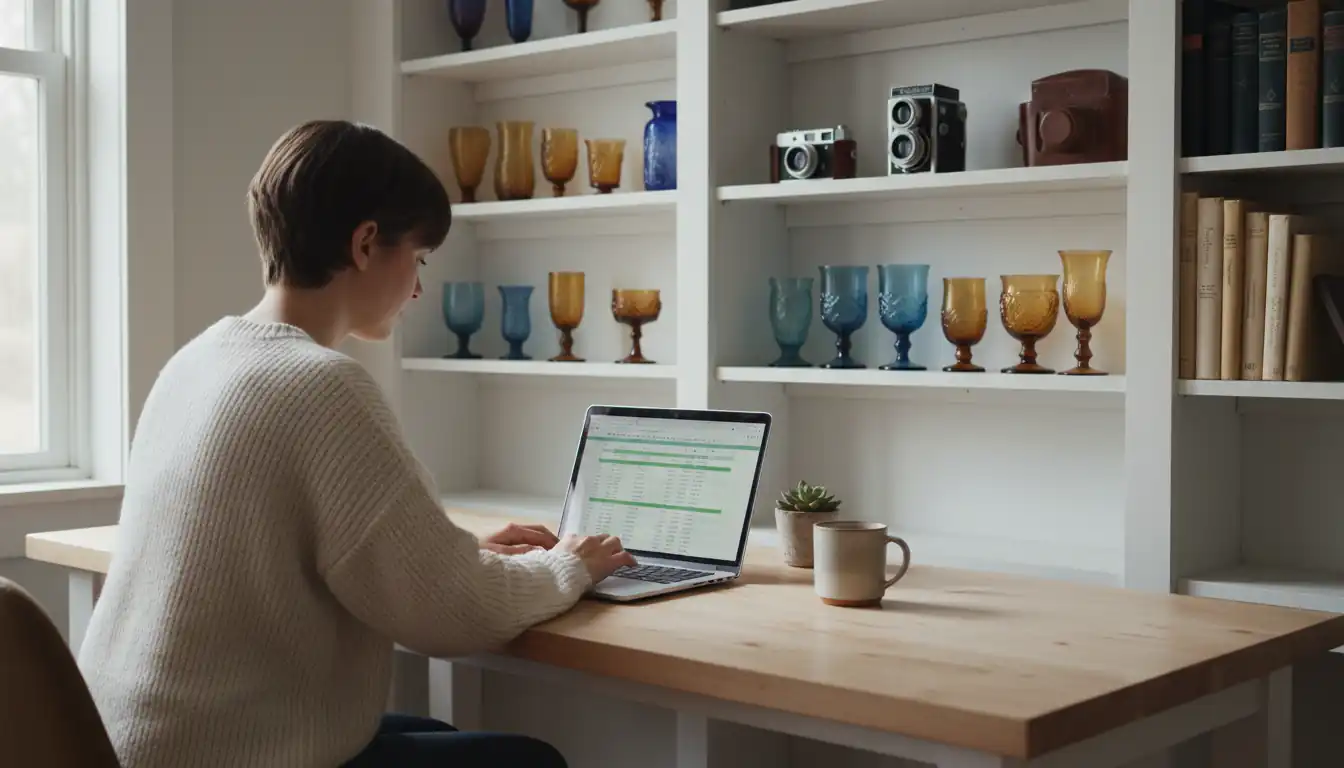
The transition from a casual "picker" to a professional reseller requires a shift in mindset. You are no longer just looking for "cool stuff"; you are managing an inventory of assets. To scale this into a consistent business, you need to move away from gut feelings and toward data-driven decision-making.
Professionalism in the antique trade is built on documentation. When you approach an auction house, a high-end dealer, or an insurance agent, "I think this is old" isn't enough. You need a comprehensive dossier on the item. This is where the history and appraisal data provided by your digital tools become your most valuable business asset.
Turning One-Off Discoveries into a Consistent Business
A successful resale strategy relies on "velocity"—how quickly you can turn your initial investment back into cash. By using instant appraisal tools, you can calculate your potential profit margin before you even leave the thrift store. This allows you to pass on "maybe" items and focus your capital on "sure wins."
- Inventory Management: Use the history feature in your appraisal app to track what you’ve found, what you paid, and what it’s worth.
- Professional Presentation: When listing an item for sale online, use the historical context provided by the AI to write a compelling, expert-level description.
- Market Timing: Data can show you if an item’s value is trending up or down, helping you decide whether to sell immediately or hold the item for a better price.
Creating a Digital Inventory for Long-Term Growth
As your collection grows, it becomes a portfolio. For insurance purposes, having a digital record of every high-value find—complete with its appraisal value and origin—is essential. If a fire or theft occurs, a spreadsheet of "old things" won't satisfy a claims adjuster. However, a professional inventory list backed by AI-verified appraisals provides the necessary proof of value.
| Step | Action | Business Benefit |
|---|---|---|
| 1. Scan | Use Relic to identify and appraise the item instantly. | Establishes a baseline value and authenticity. |
| 2. Document | Save the appraisal and history to your digital catalog. | Creates a "paper trail" for insurance and resale. |
| 3. Research | Check global market trends for that specific maker. | Identifies the best platform and region for sale. |
| 4. List | Use the AI-generated history to write the sales copy. | Increases buyer confidence and final sale price. |
By treating every find as a data point, you remove the emotional bias that often leads to poor investments. You begin to see patterns: perhaps 1970s Italian lighting is consistently undervalued in your area, or a specific brand of Japanese camera is currently peaking in demand. This data-driven approach is what separates the people who occasionally "get lucky" from the professionals who build a sustainable, high-margin business.
Conclusion
The world of antiquing has been transformed from a game of chance into a field of precision. The "dusty shelf" still holds a fortune, but the tools we use to claim that fortune have evolved. By combining a keen eye for physical markers—like hallmarks and joinery—with the power of AI-driven identification, you can spot value where others see junk.
Tools like Relic have democratized expertise, allowing anyone with a smartphone to access the historical context and market data once reserved for elite auction houses. Whether you are looking to protect your personal collection with secure data or build a scalable resale business, the key is to let data lead the way.
Your next great find is out there, waiting in the corner of a thrift store or at the bottom of a box at a yard sale. Armed with the right software and a professional approach to identification, you are no longer just a hunter; you are a sophisticated collector ready to turn history into a modern-day windfall. Download a professional appraisal tool today and see what your own shelves might be hiding.
Identify antiques instantly
Point your camera at any antique, collectible, or vintage item. Get valuations, history, and market insights in seconds.
Download for iPhone