Your Attic Might Hold a $5,000 Leica—Here’s How to Spot the Real Treasures

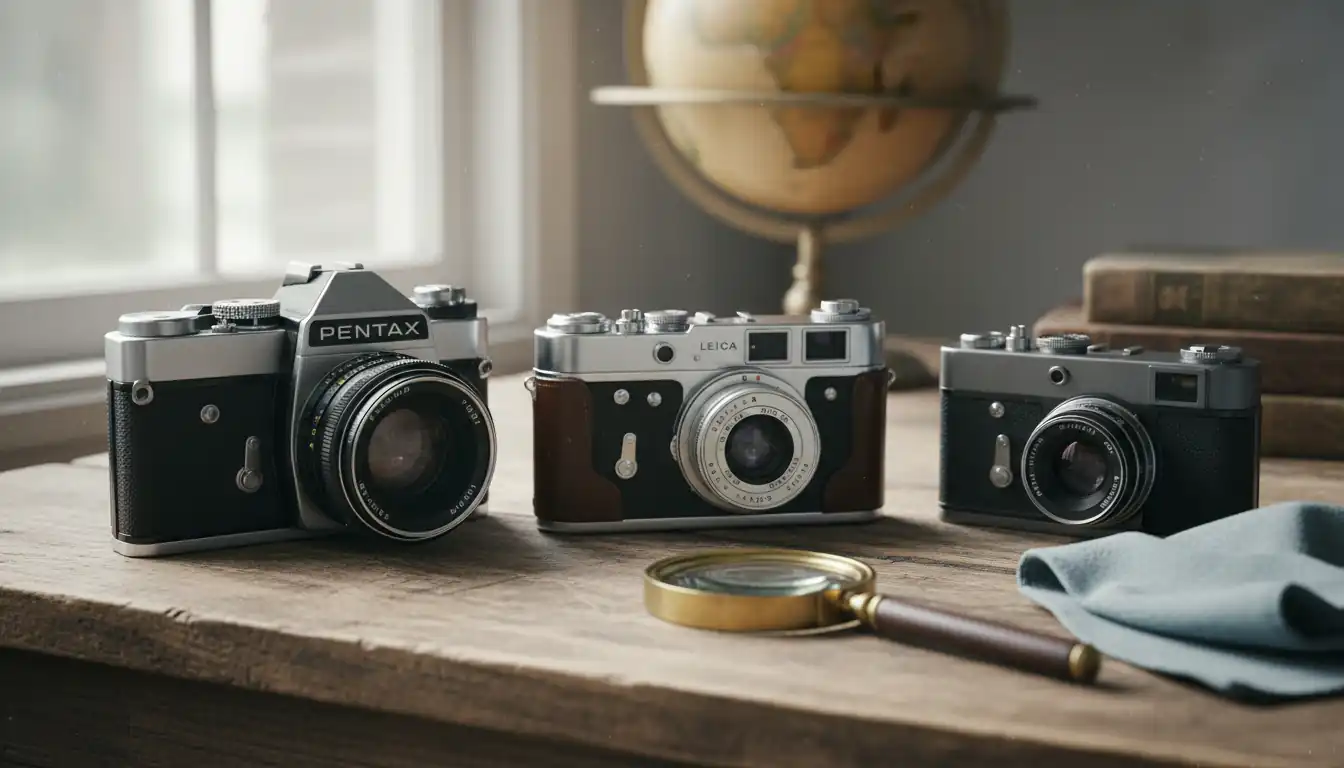
That dusty leather case tucked behind a stack of old blankets in your attic might look like a relic of a bygone era, but for a collector, it could represent a significant windfall. Vintage cameras have seen a massive resurgence in value over the last decade, driven by a generation of photographers returning to the tactile, intentional nature of film. While many old cameras are worth little more than their weight in scrap metal, a select few models from prestigious manufacturers can command prices equivalent to a used car.
Identifying these treasures requires more than just a quick glance at a brand name. You need to understand the nuances of production runs, the difference between consumer-grade equipment and professional tools, and how to verify the mechanical health of a device that may not have seen a roll of film in forty years. This guide will walk you through the process of evaluating your find, from decoding serial numbers to using modern technology to verify your appraisal.
By the time you finish reading, you will have a clear roadmap for turning an attic find into a professional listing. Whether you have a Leica, a Hasselblad, or a seemingly obscure point-and-shoot, the value lies in the details. Let’s start by looking at the names that dominate the high-end market and how to tell if you’re holding a masterpiece or a mass-produced relic.
Decoding the Brand and Model Hierarchy
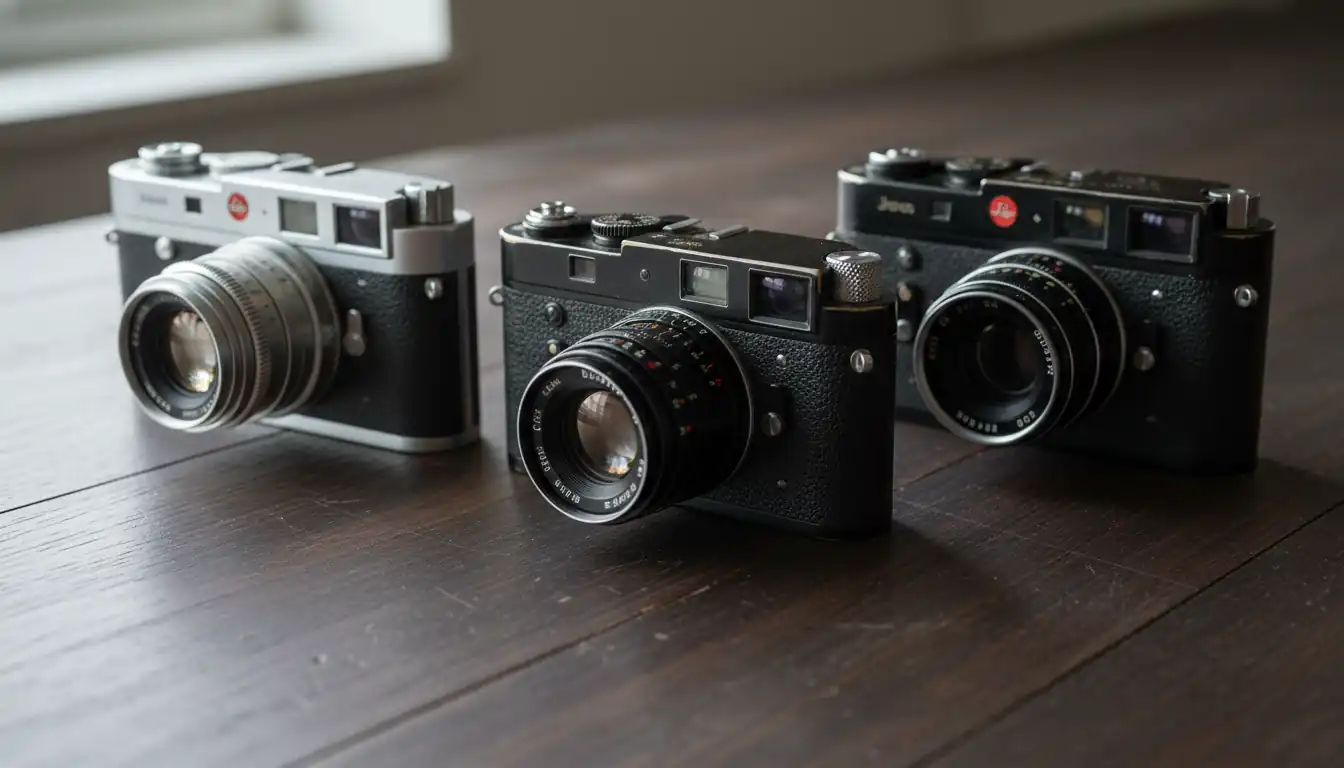
The first step in any appraisal is identifying the pedigree of the object. In the camera world, three names stand above the rest: Leica, Hasselblad, and Rolleiflex. These brands represent the pinnacle of mechanical engineering from the mid-20th century. If you see these names, your heart rate should probably pick up a bit. However, even within these prestigious brands, there is a hierarchy that separates a $200 "user" camera from a $5,000 collector’s piece.
Leica is perhaps the most famous. Their M-series rangefinders, particularly the M3, M2, and M4, are highly sought after. To identify exactly what you have, you must look for the serial number, usually engraved on the top plate or the accessory shoe. These numbers are the DNA of the camera. By cross-referencing a serial number with official production logs, you can determine the exact year the camera left the factory in Wetzlar, Germany. A Leica M3 from the first year of production (1954) with a "double stroke" advance lever often carries a premium over later models.
Identifying Rare Production Batches
Not all cameras of the same model are created equal. Manufacturers often made small tweaks during a production run, and these variations are what drive collectors wild. For example, a standard black Leica might be common, but a "Black Paint" finish that has naturally worn down to show the brass underneath (a process called "brassing") can triple the value. Collectors value the patina of professional use on these specific finishes.
| Brand | High-Value Models | Key Identifying Feature |
|---|---|---|
| Leica | M3, M4, M6 | Serial number on top plate; "M" designation |
| Hasselblad | 500C, 500CM | Modular design; "V-System" logo |
| Rolleiflex | 2.8F, 3.5F | Twin lenses; Planar or Xenotar glass |
| Nikon | SP, F2 (Titanium) | Rangefinder body or "Ti" markings |
You should also look for military markings. Cameras issued to the German or US military during the mid-century often feature engravings like "Bundeseigentum" or "US Navy." These are rare production batches that were never intended for the public, making them incredibly scarce today. Even a battered military-issue camera can outperform a pristine civilian model at auction.
Distinguishing Between Consumer and Professional Gear
It is easy to get confused by brand names because many companies produced both high-end professional tools and cheap consumer cameras. Canon and Nikon are perfect examples. A Nikon F2 is a professional workhorse that holds its value well, while a Nikon EM was a budget-friendly consumer camera made of plastic that rarely sells for more than the price of a nice dinner.
Weight is often your first clue. Professional cameras of the golden era were built with brass, steel, and high-quality glass. They feel dense and purposeful. If the camera feels light, "clicky," and is covered in silver-colored plastic, it was likely a consumer model. Look at the lens as well. If the lens is fixed to the body and cannot be removed, it is generally (though not always) a consumer-grade item. Professional systems almost always feature interchangeable lenses, allowing the photographer to swap a wide-angle for a telephoto.
Pro Tip: If you find a camera with a lens that says "Carl Zeiss" or "Schneider-Kreuznach," you are likely looking at high-end optics, regardless of the brand on the camera body itself.
Once you have identified that you have a prestigious model from a rare batch, the next hurdle is the physical state of the machine. A rare Leica is a beautiful object, but if the internal mechanics have seized up or the glass has rotted, its value will plummet.
Assessing Mechanical Integrity and Optical Clarity
A vintage camera is a complex machine with hundreds of moving parts, many of which are lubricated with oils that can harden over decades of disuse. To a collector, "Mint" condition means the camera looks and functions exactly as it did the day it was sold. To determine where your camera sits on the scale from "Parts Only" to "Mint," you need to perform a few non-invasive tests.
The most critical component of any camera is the lens. While a few specks of dust are normal and won't affect image quality, internal issues can be deal-breakers. You should perform what collectors call the "flashlight test." Open the back of the camera (if possible) or set the shutter to "B" (Bulb) and hold it open. Shine a bright LED flashlight through the front of the lens while looking through the back.
The Impact of Fungus and Haze on Glass
When you shine that light through the glass, you are looking for two main enemies: fungus and haze. Fungus looks like tiny white spider webs or fern-like structures growing inside the lens elements. It is a living organism that feeds on the lens coatings. If caught early, it can be cleaned, but if it has "etched" the glass, the lens is permanently damaged.
Haze, on the other hand, looks like a milky or cloudy film on the internal glass surfaces. This is often caused by the outgassing of internal lubricants. A "hazy" lens will produce soft, low-contrast images. While a professional can sometimes clean this, it is an expensive service that buyers will factor into their offer. If the glass is crystal clear under a flashlight, you have a major selling point.
- Fungus: Spider-web patterns; usually requires professional disassembly.
- Haze: Uniform cloudiness; reduces contrast significantly.
- Balsam Separation: Looks like a rainbow oil slick or golden bubbles; occurs when the glue holding lens elements together fails.
- Scratches/Cleaning Marks: Fine lines on the front element from improper cleaning.
Testing Shutter Accuracy Without Professional Tools
The shutter is the heartbeat of the camera. In mechanical cameras, the shutter speeds are controlled by a series of tiny gears and springs. The slow speeds (1 second, 1/2 second, 1/4 second) are usually the first to fail. Set your camera to 1 second and fire the shutter. You should hear a consistent, mechanical "whirrr" followed by a crisp click as the curtains close.
If the shutter hangs open or sounds "lazy," the lubricants have likely turned to gunk. This is known as a "sticky shutter." While you can't verify the accuracy of 1/1000th of a second without an oscilloscope, a camera that can't handle its slow speeds will almost certainly need a CLA (Clean, Lubricate, and Adjust) service. Mentioning that the "slow speeds sound accurate" in a listing builds immediate trust with savvy buyers.
Check the light seals as well. These are the foam or string strips along the door hinges that keep light from leaking onto the film. If you touch them and they crumble into black soot or feel like sticky tar, they need replacement. This is a minor repair, but it’s a detail that separates a casual seller from a professional one.
Even if your camera passes every mechanical test with flying colors, its final price isn't set in stone. The market for vintage gear is surprisingly volatile, influenced by factors that have nothing to do with technical specs.
Navigating Current Market Trends and Collector Demand
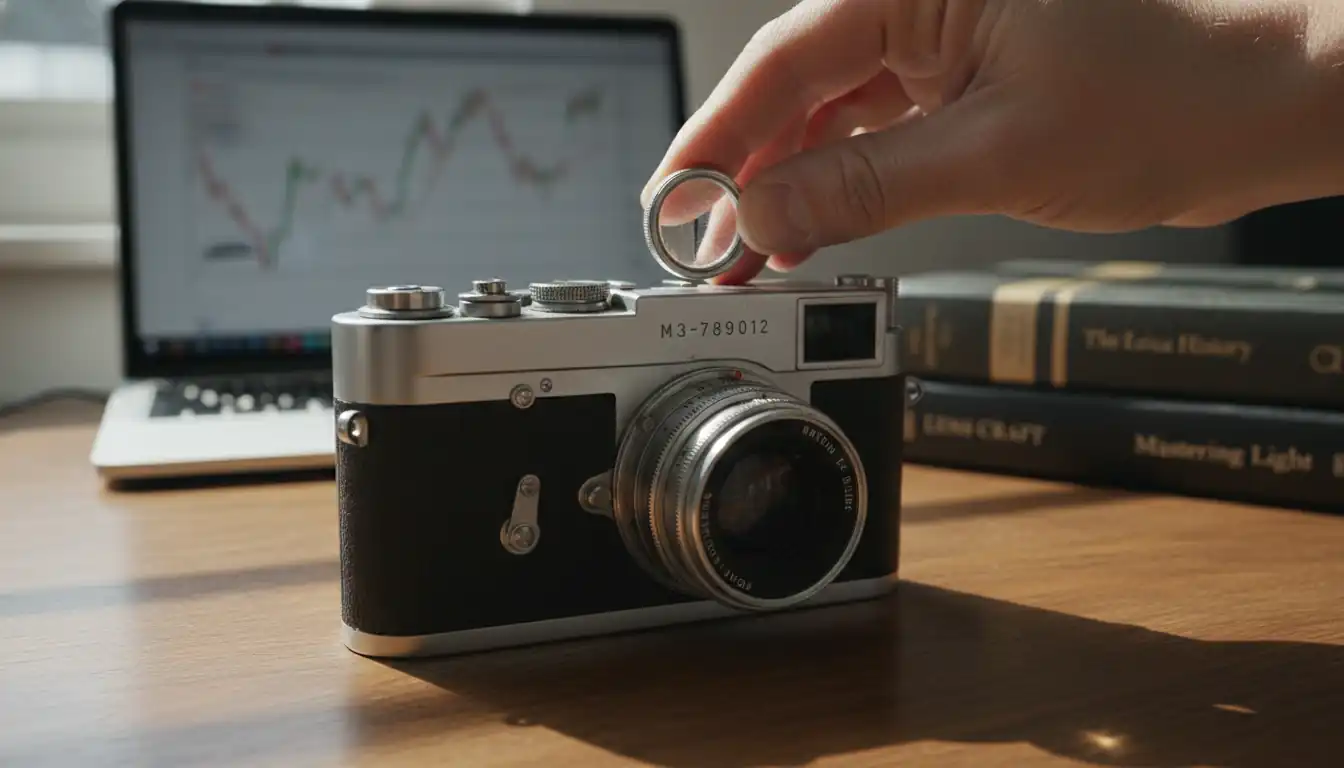
The value of a camera is rarely just a reflection of its original retail price. Instead, it is driven by current demand, which can be influenced by everything from celebrity sightings to viral trends on social media. You might find a heavy, professional-grade press camera from the 1950s that is worth $100, while a small, plastic "point-and-shoot" from the 1990s sells for $1,500.
This discrepancy is largely due to the "Instagram Effect." Younger photographers want the "film look" without the steep learning curve of manual settings. This has caused the prices of high-end compact cameras to skyrocket. The Contax T2 is the poster child for this trend. Ten years ago, you could find them for $200; today, because they’ve been seen in the hands of various fashion icons and celebrities, they frequently cross the $1,000 mark.
The Resurgence of Point and Shoot Film Cameras
If you find a compact camera in your attic, don't dismiss it just because it looks like a "soccer mom" camera from 1995. Look for specific brand names like Contax, Yashica, or Ricoh. Specifically, the Yashica T4 (with its Zeiss lens) and the Ricoh GR series are highly prized. These cameras offer a blend of portability and elite optics that modern collectors crave.
| Trendy Model | Why It's Expensive | Current Market Vibe |
|---|---|---|
| Contax T2/T3 | Zeiss lens, titanium body, celebrity status | Luxury fashion accessory |
| Yashica T4 | Carl Zeiss T* lens, "waist-level" finder | Cult classic for street photography |
| Olympus Mju II | Weatherproof, tiny, very sharp lens | The "everyday carry" favorite |
| Nikon 35Ti | Analog needle displays on top | Quirky, high-end engineering |
On the other end of the spectrum are niche professional tools like the Brooks Veriwide. This is a specialized wide-angle camera that uses a Super Angulon lens. To a layman, it looks like a strange, boxy contraption. To a landscape photographer, it is a holy grail. The value here isn't driven by trends, but by the sheer quality of the components. The lens alone on a Veriwide can be worth more than most modern digital cameras.
Why Niche Accessories Can Double Your Sale Price
Sometimes the treasure isn't the camera itself, but what is attached to it. Collectors are often looking for "completeness." An original lens hood for a rare Leica lens can sell for $300 on its own. An external viewfinder that slides into the top of the camera can sometimes be worth more than the body it sits on.
Look for small leather cases, metal lens caps, and even the original cardboard boxes. In the world of high-end collecting, a "Boxed" item can command a 20% to 30% premium. Even the original instruction manual or a vintage receipt can add historical provenance that appeals to serious investors. If you find a bag full of "junk" accessories, don't throw anything away until you've identified every piece.
The challenge, of course, is that identifying these obscure bits of metal and glass is incredibly difficult if you aren't an expert. This is where the gap between a physical object and market data can feel like a canyon.
Using AI to Skip the Guesswork in Appraisal
Researching vintage cameras used to involve hours of scrolling through forum archives, squinting at blurry eBay "sold" listings, and trying to decipher German serial number charts. It was a barrier to entry that kept many people from realizing the true value of their heirlooms. Today, technology has simplified this process, allowing you to identify an object with the same precision as a professional appraiser.
The Relic app is a prime example of how modern tools are changing the game for collectors and casual finders alike. Instead of guessing whether you have a Leica M3 or a Russian Zorki fake (a common issue in the market), you can simply take a photo. Relic uses advanced AI to analyze the physical characteristics, engravings, and lens configurations to provide an instant identification.
Instant History and Origin Identification
One of the most difficult things for a non-expert to identify is the "origin" of a camera. For example, many cameras look identical but were manufactured in different factories—some in Germany, some in Japan, and some in Canada. These origins matter deeply to collectors. Using Relic, you can get the historical context of your item immediately. It can tell you if your Rolleiflex was part of a specific 1960s export batch or if your lens was manufactured during a period known for superior glass quality.
This is particularly helpful for those "niche accessories" mentioned earlier. If you find a strange metal cylinder in the camera bag, Relic can identify it as a rare 50mm bright-line viewfinder or a specialized macro attachment. Identifying these "unknowns" is often where the biggest profit jumps occur.
Getting a Real Appraisal From a Single Photo
The most valuable feature for someone looking to sell is the appraisal. Market prices for film cameras fluctuate monthly. Relic provides a real appraisal based on current market data, giving you a baseline price so you don't accidentally sell a $2,000 kit for $50 at a garage sale. With over 20,000 reviews and a 4.9-star rating, the app has become a trusted resource for dealers and pickers who need to make split-second decisions in the field.
The difference between a "guess" and an "appraisal" is the data behind it. Using an AI-driven tool ensures you aren't leaving money on the table.
Once you have used a tool like Relic to identify your camera, confirm its history, and get a solid valuation, you are no longer a person with a "dusty old camera." You are a seller with a high-value asset. The final step is getting that asset in front of the right eyes.
Strategic Listing Tactics for Maximum Profit
Now that you know exactly what you have and what it’s worth, you need to choose your battlefield. Not all marketplaces are created equal. If you have a common consumer camera, a local platform like Facebook Marketplace might be fine. But if you have a $5,000 Leica, you need a global audience of specialists.
For high-end gear, eBay is still the king of reach, but it comes with high fees. If you want to avoid those and deal with more knowledgeable buyers, specialized forums like Rangefinderforum, FredMiranda, or the "Leica Classifieds" groups on social media are excellent. These buyers will ask technical questions, but they are also willing to pay top dollar for a well-described, honest item.
Choosing the Right Platform for Your Specific Model
Match the platform to the "vibe" of the camera. A trendy Contax T2 will sell instantly on Instagram or Depop because that’s where the fashion-conscious buyers are. A rare Hasselblad lens is better suited for a dedicated photography forum or a high-end auction house like WestLicht or Leitz Photographica if the value exceeds $10,000.
| Camera Type | Best Selling Platform | Target Audience |
|---|---|---|
| Trendy Point & Shoots | Instagram, Depop, eBay | Gen Z, Fashion Photographers |
| Professional Systems | FredMiranda, GetDPI | Working Professionals |
| Rare Collectibles | Specialized Auction Houses | Investors, Museum Curators |
| Mid-range SLRs | eBay, Etsy | Students, Hobbyists |
When writing your description, use the technical details you gathered during your assessment. Don't just say "looks good." Say "Glass is free of fungus and haze; slow shutter speeds sound accurate to the ear; minimal brassing on the top plate." Include the serial number and the history you found using Relic. This transparency eliminates the buyer's fear of the unknown.
Photography Techniques That Prove Value to Buyers
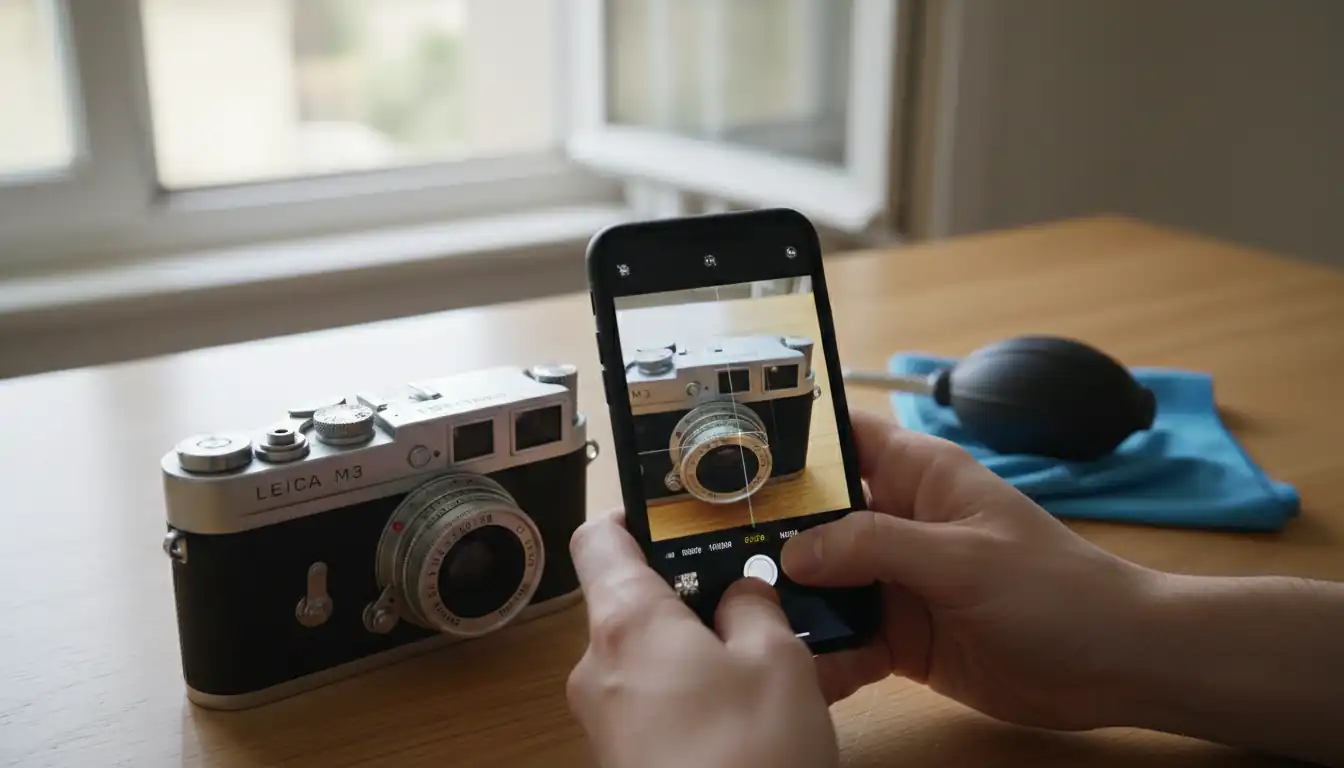
Your photos are your most important sales tool. You don't need a professional studio, but you do need "honest" lighting. Avoid using a flash, which creates harsh reflections on glass and metal. Instead, use soft, natural light from a window.
- The "Hero" Shot: A 45-degree angle showing the front and top of the camera.
- The Glass Shot: Shine a light through the lens to show its clarity (or lack thereof). This builds immense trust.
- The Interior: Open the back to show the film rails and the shutter curtains.
- The Details: Close-ups of the serial number and any specific "brassing" or patina.
If there are flaws, photograph them clearly. A buyer who knows about a scratch beforehand will still buy the camera; a buyer who discovers a hidden scratch after delivery will demand a refund. By combining professional-grade identification with transparent listing tactics, you ensure that the "treasure" you found in your attic results in a smooth, profitable transaction.
Conclusion
Finding a high-value vintage camera is a thrill, but the journey from discovery to a successful sale requires a methodical approach. You’ve learned how to identify the heavy hitters like Leica and Hasselblad, how to perform a technical "health check" on the optics and mechanics, and how to spot the trends that make even simple cameras valuable.
By leveraging modern tools like the Relic app, you can bypass the steep learning curve of antique appraisal and get instant, accurate data on your find. Whether you decide to keep the camera and explore the world of film photography yourself or list it for a significant profit, you now have the knowledge to do so with confidence.
Your next step is simple: go back to that attic, grab that dusty case, and start looking at the details. That "old camera" might just be the most valuable thing in your house.
Identify antiques instantly
Point your camera at any antique, collectible, or vintage item. Get valuations, history, and market insights in seconds.
Download for iPhone