Your Childhood Collection Might Be a Goldmine: The Secret to Identifying High-Value Comics

That dusty cardboard box tucked away in your attic or the back of your closet might contain more than just memories of Saturday mornings and superhero fantasies. For decades, comic books were viewed as disposable entertainment—cheap, colorful stories printed on low-grade paper intended to be read once and traded away. Today, those "disposable" items have transformed into a legitimate asset class, with rare issues fetching prices that rival fine art and classic cars.
You might assume that only the oldest comics from your grandfather’s era hold significant value, but the market has shifted dramatically. While the icons of the 1930s still command millions, a new generation of collectors is hunting for books from the 1970s, 80s, and even the 90s. The challenge lies in the fact that two comics sitting side-by-side might look identical to the untrained eye, yet one is worth five dollars and the other is worth five thousand.
Understanding the hidden economy of comic books requires a blend of historical knowledge, an eye for physical perfection, and the right tools to verify what you’re holding. This guide will walk you through the nuances of comic valuation, from identifying "key" issues to understanding how a single microscopic crease can decimate a book's market price. By the time you finish, you’ll know exactly how to evaluate your childhood collection and whether it’s time to turn those paper dreams into a tangible goldmine.
The Anatomy of a High-Value Comic Book
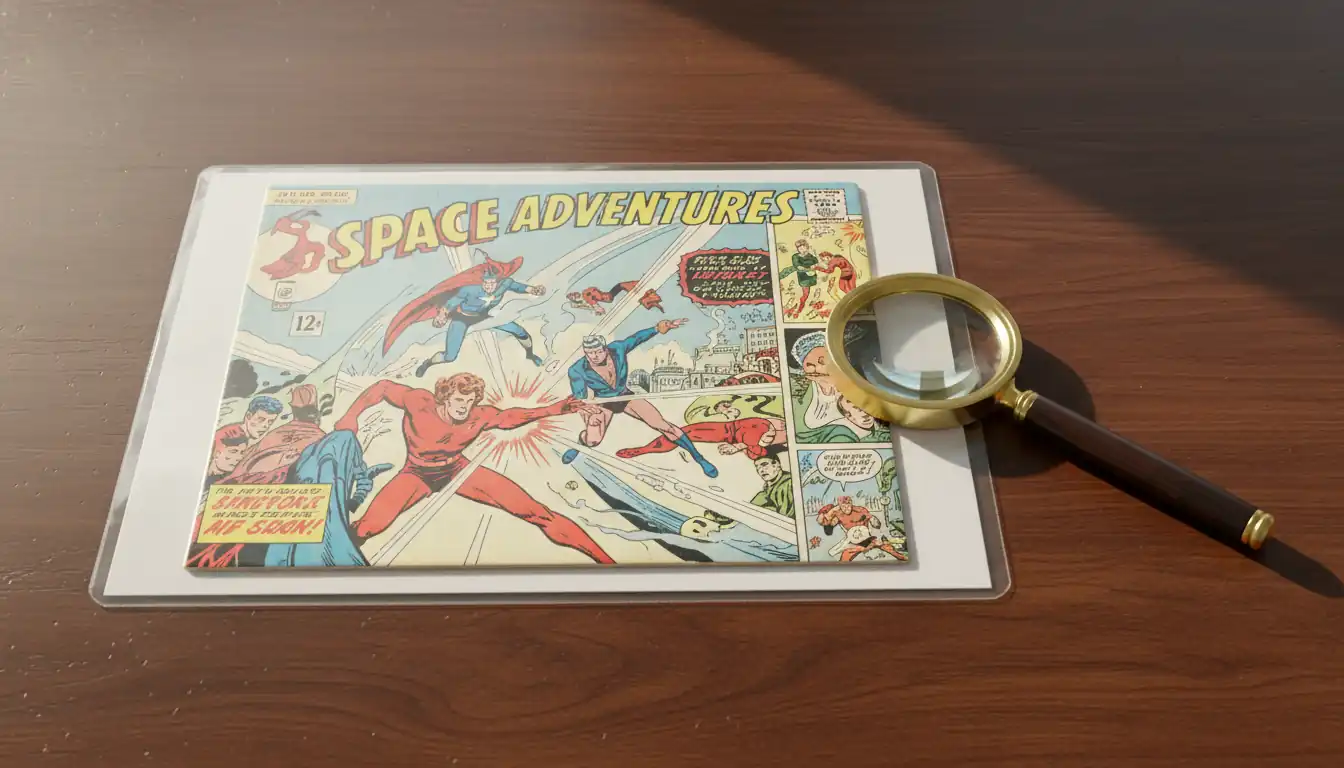
To understand why some comics are worth a fortune, you first have to understand the era in which they were produced. Collectors divide comic book history into "Ages," and the age of a book sets the baseline for its rarity and demand. If you’re looking at a comic with a 10-cent or 12-cent cover price, you’re likely holding something from the Golden or Silver Age. These books are inherently valuable because they were printed on highly acidic paper that was never meant to last, making well-preserved copies incredibly rare.
However, age isn't the only factor. You might wonder: are 40-year-old comic books worth anything? The answer is a resounding yes, but the criteria for value change as we move into the Bronze and Copper Ages. A comic from 1984 (roughly 40 years ago) doesn't have the same "scarcity by age" as a book from 1940. Instead, its value is driven by "keys"—specific issues that feature a major milestone, such as the first appearance of a character who later became a household name.
Decoding the Golden and Silver Ages
The Golden Age (roughly 1938 to 1956) is the era of the pioneers. This is where the superhero archetype was born with the debut of Superman in Action Comics #1. These books are the blue chips of the hobby. They are characterized by thick, oversized formats and stories that often reflected the geopolitical climate of World War II. If you find a Golden Age book in even decent condition, you are looking at a significant find simply because so few survived the paper drives of the 1940s.
The Silver Age (1956 to 1970) saw the revitalization of the medium. This era introduced the "flawed" hero, led by the creative explosion at Marvel Comics. Characters like Spider-Man, the X-Men, and the Fantastic Four debuted during this time. Silver Age books are highly sought after because they represent the foundation of the modern pop culture landscape. A 12-cent comic from 1963 featuring the first appearance of the Avengers is a foundational piece of history that collectors will always compete for.
Key Issues and First Appearances
The most important term you need to learn is the "Key Issue." A key issue is a book that contains a significant event. While thousands of comics were published in the 1970s, only a handful are considered high-value keys. The value isn't distributed evenly across a series; it spikes at specific moments.
- First Appearances: This is the gold standard. The first time a character appears on the page is almost always the most valuable issue of that character's history.
- Origin Stories: Issues that explain how a hero gained their powers or why a villain turned to crime.
- Iconic Cover Art: Sometimes a book is valuable simply because the cover art is legendary, created by a master like Neal Adams or Todd McFarlane.
- Deaths and Rebirths: Major shifts in a character's status quo, such as the death of a supporting character or a costume change (like Spider-Man’s black suit), create lasting value.
A comic book's value is rarely about the quality of the story inside; it is almost always about the historical significance of the characters introduced on its pages.
Condition and Grading Realities
Once you’ve identified that you have a "key" issue, the focus shifts entirely to the physical state of the book. In the world of high-stakes collecting, condition is everything. You could have two copies of Amazing Spider-Man #129 (the first appearance of The Punisher). One might sell for $500, while the other sells for $30,000. The only difference is the physical grade.
Professional grading services like CGC (Certified Guaranty Company) and CBCS (Comic Book Certification Service) have standardized the market using a 10-point scale. This scale is incredibly precise, moving in increments of 0.5 (and 0.2 near the top). A "Mint" book is a 10.0, which is virtually non-existent for older comics. Most high-end collectors aim for "Near Mint" (9.4 to 9.8). Understanding this scale is vital because the price difference between a 9.6 and a 9.8 can be thousands of dollars, even though they look identical to an untrained eye.
The Impact of Professional Grading
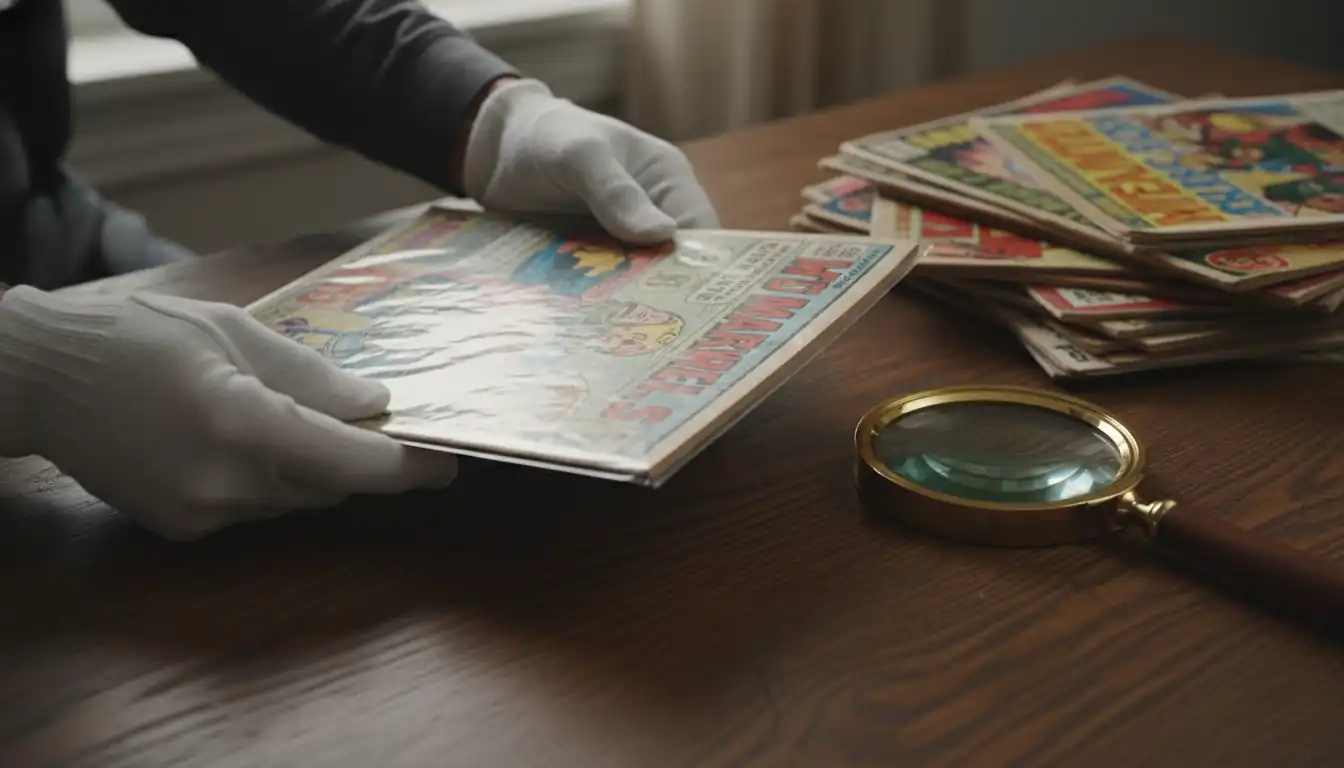
When a book is professionally graded, it is inspected under high magnification, "slabbed" in a tamper-evident plastic holder, and given a numeric grade. This process removes the guesswork from buying and selling. If you are looking at your childhood collection, you need to be brutally honest about the condition. Most comics that were actually read and enjoyed will fall into the "Very Good" (4.0) to "Fine" (6.0) range. While these are still valuable if the book is a major key, they won't command the record-breaking prices you see in the news.
| Grade | Designation | Description |
|---|---|---|
| 10.0 | Gem Mint | Perfect in every way; no defects allowed. |
| 9.8 | Near Mint/Mint | Nearly perfect with only minor manufacturing handlings. |
| 9.0 | Very Fine/Near Mint | Sharp and attractive with very slight wear. |
| 7.0 | Fine/Very Fine | Above average but shows definite signs of handling. |
| 5.0 | Very Good/Fine | An average used comic with some creases and surface wear. |
| 2.0 | Good | A heavily read book with significant defects but still complete. |
Common Flaws That Slash Value
You might think your comics are in "great shape," but professional graders look for flaws that you might not even notice. These defects are the primary reason why amateur valuations are often over-inflated.
- Spine Stress Marks: These are tiny horizontal lines that appear along the fold of the cover. If these marks "break color" (meaning they show white paper underneath the ink), the grade drops significantly.
- Foxing: These are yellowish-brown spots caused by mold or the breakdown of acidic paper over time. It’s often found on the edges of the pages or the interior covers.
- Marvel Chipping: During the 1960s and 70s, the cutting blades at the Marvel printing plants were often dull, leading to ragged, "chipped" edges on the right side of the book.
- Rusty Staples: If a comic was stored in a humid environment, the staples can rust, and that rust can migrate onto the paper, causing permanent staining.
- Color Breaks: Any crease or scratch that removes the ink from the cover is a major defect. A long crease across a corner can move a book from a 9.0 down to a 5.0 instantly.
Instant Identification with AI Technology
The sheer volume of comic book history can be overwhelming. There are tens of thousands of individual issues, and many of them look confusingly similar. For example, a "second printing" of a popular book might have the exact same cover art as the first printing, with only a tiny change in the fine print or a different color in the logo. In the past, you would have to spend hours flipping through the Overstreet Comic Book Price Guide or searching through obscure online forums to verify exactly what you had.
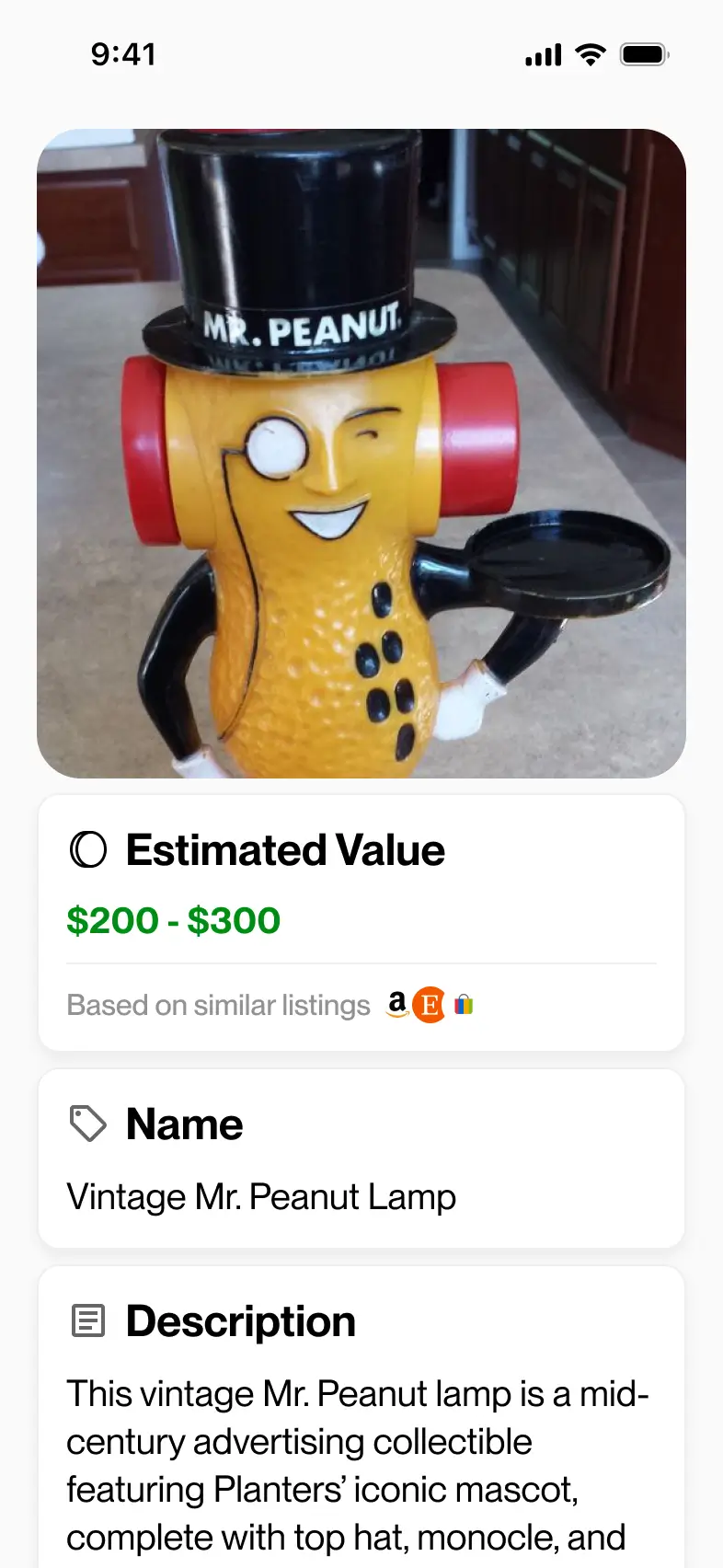
This is where modern technology has changed the game for collectors. You no longer need to be a walking encyclopedia of comic trivia to identify a treasure. Using the Relic app, you can bridge the gap between a pile of old paper and a professional appraisal. Relic uses advanced AI to analyze the visual data of an item—in this case, your comic book—to provide an instant history and origin.
Using Relic for Real-Time Appraisals
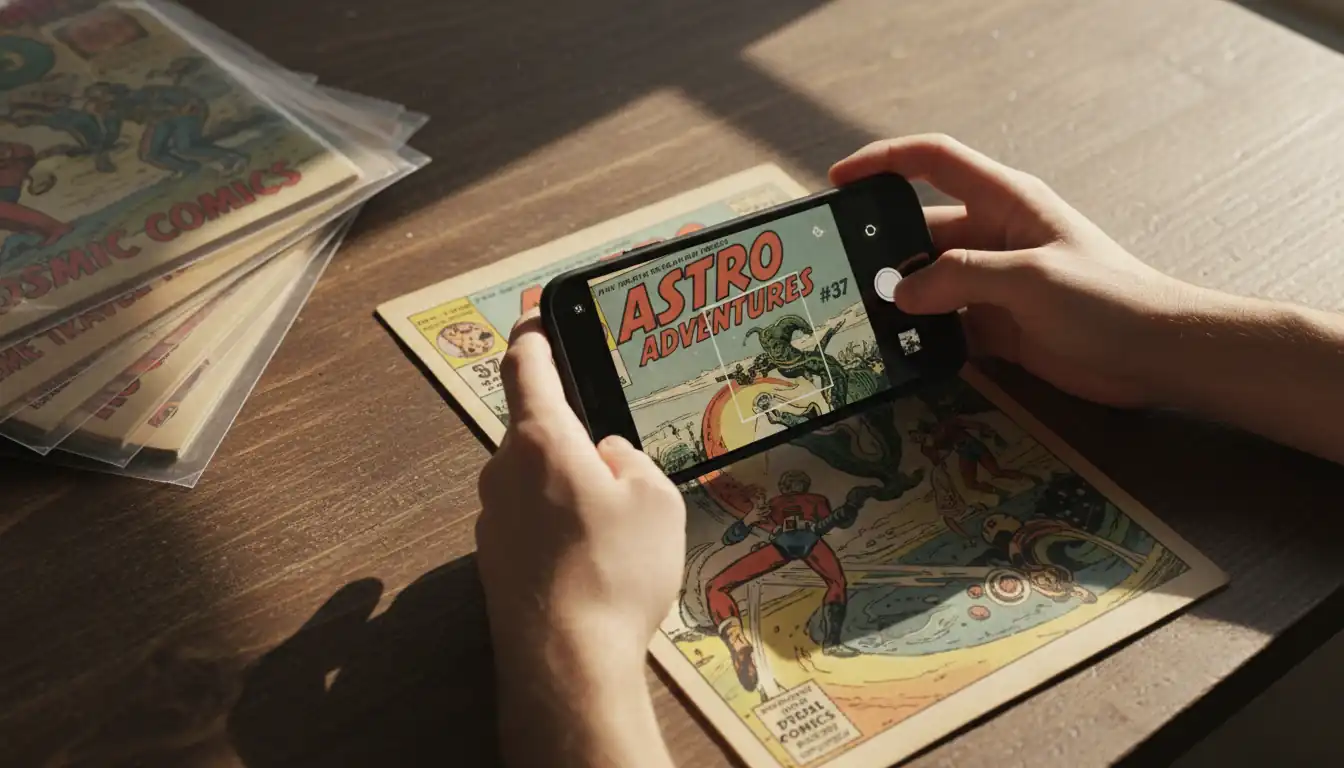
The process is designed to be straightforward for anyone, whether you're a seasoned dealer or someone who just found a box in the garage. You simply take a photo of the comic's cover or upload an existing image. The AI doesn't just look at the character on the front; it analyzes the layout, the price box, the publisher's logo, and the specific artistic markers that distinguish a rare original from a common reprint.
Within seconds, Relic provides a real appraisal and historical context. This is particularly useful when you're at a flea market or an estate sale and need to make a split-second decision. Instead of guessing if a book is worth the $20 asking price, you can get a data-driven estimate of its market value and its significance in the collector community. With over 20,000 reviews and a 4.9-star rating, the app has become a trusted tool for people who need accuracy without the steep learning curve of traditional appraisal methods.
Beyond the Cover Art
One of the trickiest aspects of comic collecting is the "Newsstand vs. Direct" distinction. In the 1980s and 90s, comics were sold both in specialty comic shops (Direct) and in grocery stores or newsstands. Newsstand editions were often treated more poorly and had higher return rates, making high-grade copies much rarer today.
Relic’s AI can help you identify these subtle variations—like the presence of a barcode versus a "Spider-Man head" or a "Captain America shield" in the corner box—that can significantly impact the book's value. By using a tool that understands these nuances, you protect yourself from overlooking a rare variant that might be worth five times the price of the standard edition. It turns your smartphone into a professional-grade scanner, giving you the same insights that professional pickers and dealers use to find their best inventory.
Market Trends and Modern Holy Grails
The comic book market is not a static entity; it breathes and shifts with the broader culture. While the "Blue Chips" of the Golden Age remain stable, the most explosive growth in recent years has occurred in the "Modern Age" (mid-80s to present). This shift is largely driven by the dominance of superhero cinema. When a character is announced for a new movie or television series, the value of their first appearance can triple overnight.
You also have to consider the concept of the "Holy Grail." When people ask, what is the holy grail of comic books?, the answer is almost universally Action Comics #1. It is the book that started it all. A high-grade copy of this issue sold for over $6 million, setting the record for the most expensive comic ever sold. But for most collectors, "Grails" are more attainable goals—books like Hulk #181 (first Wolverine) or Giant-Size X-Men #1.
Why 80s and 90s Comics Are Surging
If you grew up in the 80s, you might be sitting on a goldmine. You might ask: which 80s comics are worth money? The 1980s was a decade of "grim and gritty" storytelling that redefined the medium. Books from this era are currently seeing a massive surge in interest from Gen X and Millennial collectors who now have the disposable income to buy back their childhoods.
- Teenage Mutant Ninja Turtles #1 (1984): An indie book with a tiny print run that launched a global phenomenon.
- The New Mutants #98 (1991): The first appearance of Deadpool. This book has seen astronomical growth due to the character's cinematic success.
- Amazing Spider-Man #252 & #300: These issues introduced the black suit and Venom, respectively. They are the cornerstones of modern Marvel collecting.
- Wolverine #1 (1982): The first solo limited series for the character, featuring legendary art by Frank Miller.
The MCU Effect on Speculative Value
The Marvel Cinematic Universe (MCU) has turned comic collecting into a game of speculation. Collectors now watch casting news and trailer releases as closely as stock market tickers. If a minor character like "Agatha Harkness" or "Kang the Conqueror" is mentioned in a press release, their first appearances—which might have been in the "dollar bins" for decades—suddenly become $500 books.
However, this creates "speculation bubbles." The key to long-term profit is identifying these trends before they peak. If you wait until the movie is in theaters to sell, you’ve likely missed the highest point of the market. Smart collectors use the lull between movies to acquire keys for characters rumored to appear in future phases of the franchise.
The 10 Most Valuable Comic Books (Historical Highs):
| Rank | Title & Issue | Significance |
|---|---|---|
| 1 | Action Comics #1 | First Superman |
| 2 | Detective Comics #27 | First Batman |
| 3 | Superman #1 | First Solo Title |
| 4 | Amazing Fantasy #15 | First Spider-Man |
| 5 | Marvel Comics #1 | First Marvel Publication |
| 6 | Batman #1 | First Joker & Catwoman |
| 7 | Captain America Comics #1 | First Captain America |
| 8 | Flash Comics #1 | First Flash & Hawkman |
| 9 | All-American Comics #16 | First Green Lantern |
| 10 | Fantastic Four #1 | First Fantastic Four |
Building and Protecting a Profitable Portfolio
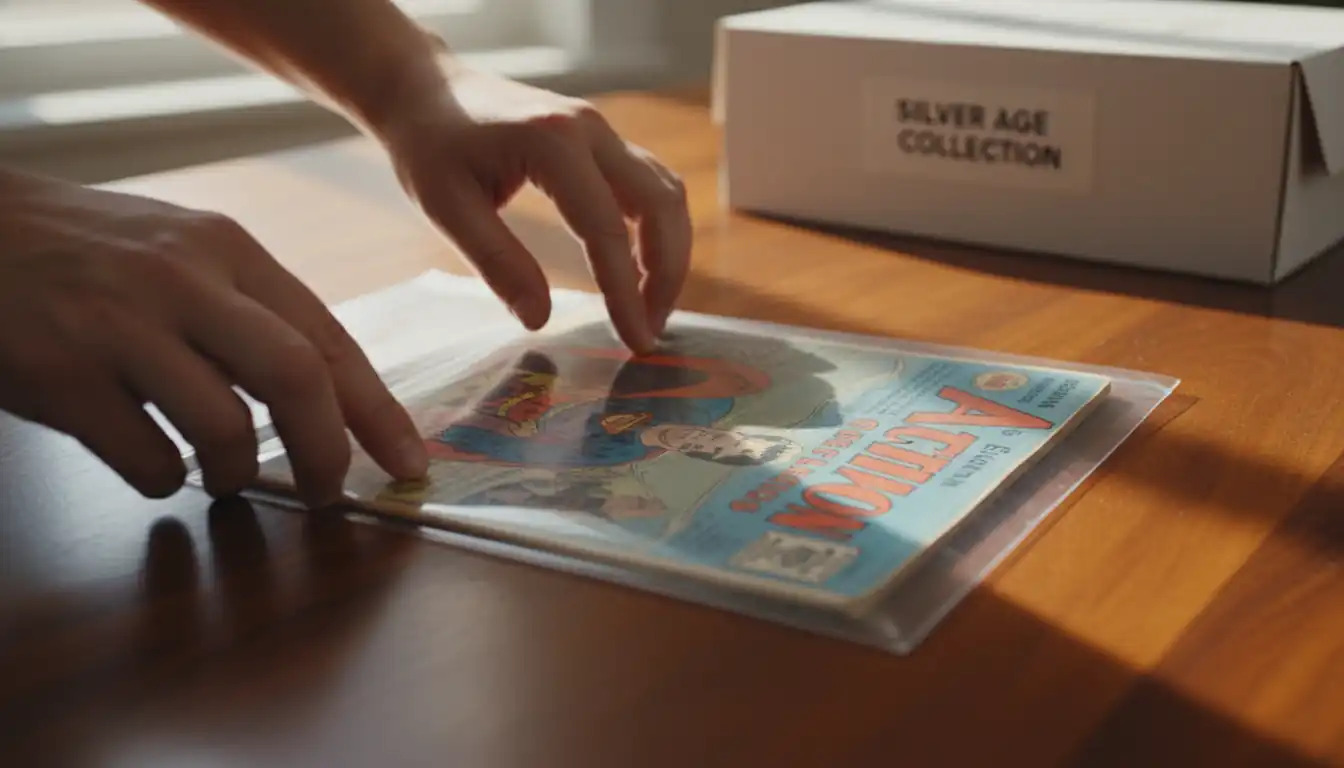
If you’ve discovered that your collection has real value, or if you’re looking to start "picking" comics as an investment, you need a strategy for both acquisition and preservation. Finding high-value comics "in the wild" is becoming harder as more people become aware of their value, but it is far from impossible. The best deals are rarely found in comic book shops, where the owners already know exactly what they have.
Instead, look for "unsearched" environments. Estate sales, rural flea markets, and general antique auctions are your best bet. Often, a seller will have a box of "old magazines" that contains a few Silver Age gems hidden among common 90s reprints. This is where having a tool like Relic becomes an unfair advantage. You can scan through a stack of books in minutes, identifying the high-value keys while other people are still trying to figure out which character is on the cover.
Sourcing Hidden Gems in the Wild
When you’re out hunting, don't just look for the big names. Look for "crossover" appeal. For example, early issues of Star Wars comics from the late 70s are currently very hot. Also, keep an eye out for "error variants"—books with printing mistakes, such as missing colors or upside-down covers. These are rare manufacturing flukes that can command massive premiums from specialized collectors.
- Estate Sales: Arrive early and head straight for the basement or attic. Look for heavy, uniform boxes that suggest long-term storage.
- Flea Markets: Look for vendors who aren't "comic guys." They are more likely to price everything at a flat rate, allowing you to cherry-pick the keys.
- eBay "Lots": Sometimes sellers will list a "bulk lot" of 50 comics with only one or two photos. If you can spot a recognizable key issue peeking out from the middle of the stack, you can often win the entire lot for a fraction of that one book's value.
Preservation Techniques for Long-Term Growth
Once you have a valuable book, you are no longer just a reader; you are a steward of a historical artifact. Paper is a fragile medium. It hates light, heat, moisture, and its own internal chemistry. If you leave a high-value comic in a standard cardboard box in a humid garage, it will eventually turn yellow, brittle, and worthless.
Essential Preservation Steps:
- Mylar Bags: Never use cheap polyethylene bags. They break down over time and can leave a "waxy" residue on the cover. Use 2-mil or 4-mil Mylar (often called "Mylites"). Mylar is an archival-grade material that will not react with the paper.
- Acid-Free Boards: The board you put behind the comic should be "buffered" or acid-free. This prevents "acid migration," where the acid from the paper is trapped against the book, causing it to tan.
- Climate Control: Store your comics in a "cool, dark, and dry" place. A closet in the center of your house is much better than an attic or a basement. Fluctuations in temperature and humidity cause the paper fibers to expand and contract, leading to warping and "spine roll."
- Horizontal vs. Vertical: Always store comics vertically. Stacking them horizontally creates "pressure tanning" and can cause the staples of the bottom books to indent the books above them.
Conclusion
The transition from a casual reader to a savvy collector is a journey of education. You’ve learned that age is just a baseline, and that the real value lies in the "keys"—those moments of first appearances and historical shifts that define the medium. You understand that the difference between a life-changing windfall and a modest sale often comes down to the microscopic physical condition of the book, and that professional grading is the gatekeeper of the market's highest tiers.
Most importantly, you now have the knowledge to use modern technology to your advantage. Tools like the Relic app allow you to cut through the noise of the market, providing instant identification and appraisal that would have taken an expert hours to compile in the past. Whether you are evaluating a box of comics you’ve owned since you were ten or hunting for treasures at a local estate sale, you have the professional-grade resources to make informed, profitable decisions.
Your next step is simple: go find that box. Open it up, start sorting, and use the tools at your disposal to see what’s really inside. You might find that your childhood heroes are ready to save the day one more time—this time, by securing your financial future. The goldmine is waiting; you just need to know how to look for it.
Identify antiques instantly
Point your camera at any antique, collectible, or vintage item. Get valuations, history, and market insights in seconds.
Download for iPhone