Whitall Tatum No. 1 Glass Insulator Value Guide
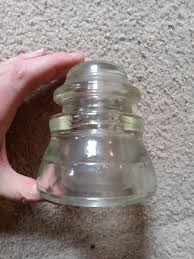
- Period
- 1900-1930
- Origin
- United States
- Materials
- glass
- Category
- Glass insulator
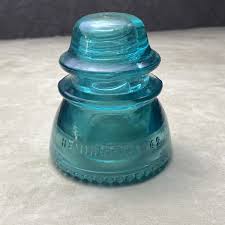
The Whitall Tatum No. 1 is a classic American glass insulator produced in Millville, New Jersey, between 1900 and 1930. These squat-style insulators are highly prized by collectors when they exhibit a deep amethyst hue, a result of manganese in the glass reacting to decades of solar ultraviolet exposure.
What Is Whitall Tatum No. 1 Glass Insulator Worth?
The typical price range for Whitall Tatum No. 1 Glass Insulator is $80 - $150 based on recent sales. However, values can vary depending on the item's condition, rarity, and other factors such as:
- Intensity of the purple color, with deeper 'black-purple' shades commanding higher prices than light lavender.
- Overall glass clarity and the absence of 'snow' or internal bruising from years of outdoor exposure.
- Physical condition, specifically the lack of chips on the inner or outer skirts and the integrity of the threads.
- Presence of original manufacturing bubbles or unique glass swirls that add character to the specific piece.
How to Identify Whitall Tatum No. 1 Glass Insulator?
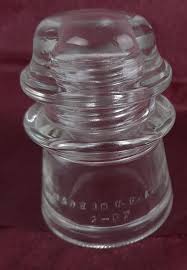
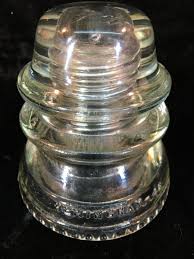
- Look for the 'WHITALL TATUM CO.' and 'No. 1' embossed lettering on the glass skirt.
- Verify the distinct amethyst or purple color, which indicates the presence of manganese used as a decolorizer during the early 20th century.
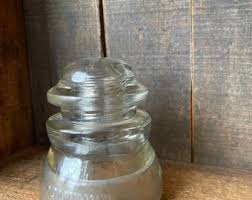
- Check for the specific squat profile characteristic of the early No. 1 design compared to taller, later models.
- Examine the base for a smooth or drip-point finish consistent with Whitall Tatum manufacturing techniques of the era.
History of Whitall Tatum No. 1 Glass Insulator
Glass insulators were produced in the late 19th and early 20th centuries to support and insulate telegraph, telephone, and power lines. Whitall Tatum was a prominent American glassmaker based in Millville, New Jersey, active from the mid-1800s into the early 1900s. Their No. 1 style insulator is an early, squat design; when exposed to sunlight over decades the glass often turns purple due to manganese used as a decolorizer reacting to ultraviolet light, making amethyst examples especially collectible.
Shop Similar
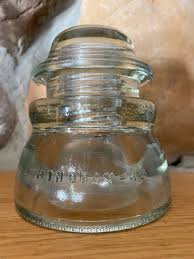
California Smokey Light Amethyst CD166 Glass Insul…
bullockauctioneers.com · $10
1920s Whitall Tatum No 1 Glass Insulator | Chairis…
chairish.com · $46
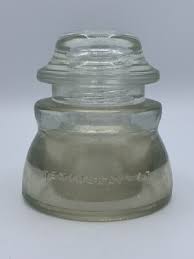
Vintage Rare Purple Whitall Tatum Glass Insulator …
whatnot.com · $100
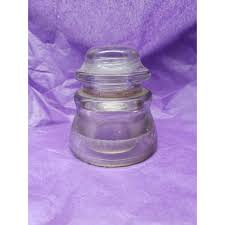
Purple glass insulator Whitall Tatum Co no 1 Mold …
ebay.com
Vintage 1920s Whitall Tatum Co. No. 1 Purple Glass…
etsy.com
Whitall Tatum PURPLE Glass Insulator, Rare, Made i…
etsy.com
Related Items
Have an antique to identify?
Get an instant AI appraisal with values, history, and market insights.
Download for iPhone