Electrical Insulator Value Guide
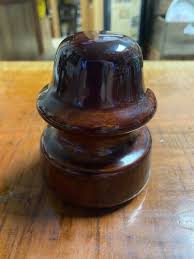
- Period
- 1900-1940
- Origin
- United States
- Materials
- Ceramic, Porcelain
- Category
- Electrical insulator
These brown glazed ceramic insulators are iconic artifacts of the United States' early electrification and communication infrastructure between 1900 and 1940. Used primarily for telegraph and telephone lines, they represent a pivotal era in industrial design where porcelain was engineered to prevent current leakage into wooden poles.
What Is Electrical Insulator Worth?
The typical price range for Electrical Insulator is $25 - $25 based on recent sales. However, values can vary depending on the item's condition, rarity, and other factors such as:
- Condition of the glaze, as chips or 'railroad wear' from flying ballast can reduce the $25 market value.
- Presence of rare manufacturer stamps or specific patent dates embossed into the ceramic material.
- Color consistency, with unique drips or variations in the brown glazing often appealing more to specialized collectors.
- The integrity of the inner threads and the absence of hairline stress fractures caused by decades of weather exposure.
How to Identify Electrical Insulator?
- Look for a deep brown glaze over a heavy ceramic or porcelain body, typical of early 20th-century American manufacturing.
- Check for specific mold marks or embossed manufacturer initials on the skirt or dome which indicate U.S. origin.
- Examine the internal threading designed to secure the unit onto wooden side brackets or crossarm pins.
- Identify the specific shape, such as a 'pony' or 'beehive' style, which was common for low-voltage communication lines.
History of Electrical Insulator
Electrical insulators like this one were crucial in the early days of electrification and communication. They prevented electrical currents from leaking into poles and structures, ensuring that telegraph, telephone, and power lines operated effectively and safely. The design of these insulators evolved over time, with various shapes and materials being tested to improve insulation properties and durability against weather.
Shop Similar
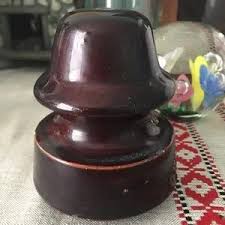
Pinco | Accents | Vintage Glazed Brown Ceramic Tel…
poshmark.com · $7
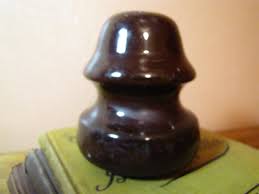
Vintage Dark Brown Porcelain Insulator - Etsy
etsy.com · $12
Vintage Brown Glazed Porcelain Electrical Insulato…
ebay.com · $15
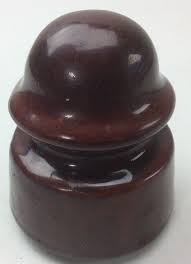
Antique Vintage Utility Electrical Insulator Brown…
ebay.com · $20
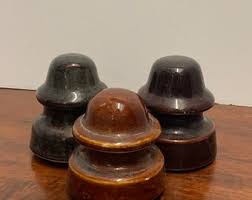
3 1930s Ceramic Insulators - Etsy
etsy.com · $55
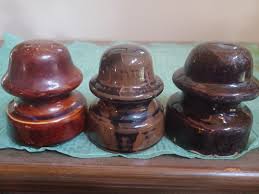
Vintage Porcelain Insulator Lot/3/no Makers Mark/n…
etsy.com · $65
Related Items
Have an antique to identify?
Get an instant AI appraisal with values, history, and market insights.
Download for iPhone