Brookfield Beehive Insulator Value Guide
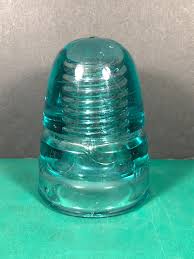
- Period
- 1890-1915
- Origin
- United States
- Materials
- Glass
- Category
- Brookfield insulator
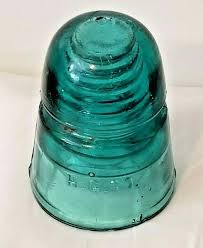
The Brookfield Beehive Insulator, technically classified as a CD 145, is a quintessential piece of American communications history produced by the Brookfield Glass Company. These aqua-colored glass units were essential for preventing electrical leakage on telegraph and telephone lines during the late 19th and early 20th centuries.
What Is Brookfield Beehive Insulator Worth?
The typical price range for Brookfield Beehive Insulator is $12 - $15 based on recent sales. However, values can vary depending on the item's condition, rarity, and other factors such as:
- Condition of the glass, as chips or 'flea bites' on the base or crown can significantly lower the $12-$15 market value.
- Clarity and color consistency of the aqua glass, with deeper or unique shades often commanding higher interest.
- The presence and legibility of the Brookfield embossing on the skirt of the insulator.
- Historical provenance or evidence of use on specific early American communications infrastructure.
How to Identify Brookfield Beehive Insulator?
- Look for the distinct 'beehive' profile characterized by a rounded top and tapered body, known as the CD 145 shape.
- Check for the 'BROOKFIELD' name embossed in the glass, which identifies it as a product of one of the largest U.S. manufacturers.
- Verify the classic aqua glass color, which is the most common and authentic hue for this specific era and model.
- Examine the interior for threading designed to screw onto wooden telegraph or telephone pole pins.
History of Brookfield Beehive Insulator
Produced by the Brookfield Glass Company, which was one of the largest manufacturers of glass insulators in the United States. This 'beehive' shape, technically classified as a CD 145 by collectors, was a standard design used extensively across the expanding American communications infrastructure during the late 19th and early 20th centuries. These glass units prevented electrical current from leaking into the wooden poles that supported the wires.
Shop Similar
Glass Insulator | Brookfield | Vintage | "beehive"…
etsy.com · $12
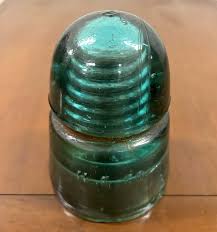
Vintage Aqua or Teal Glass Insulator | Chairish
chairish.com · $24
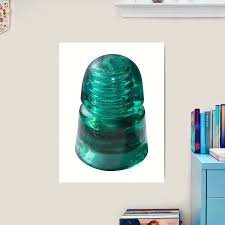
"Vintage Electrical Insulator - Blue Green Glass B…
redbubble.com · $25
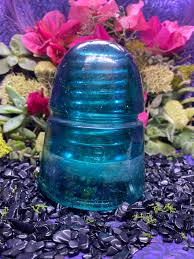
Vintage Insulator 1912 | 𝔇𝔢𝔰𝔢𝔯𝔱 ...
desertmineraloddities.square.site · $30
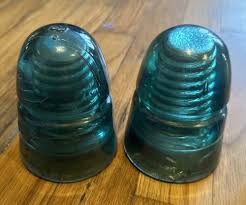
Vintage Brookfield B Wire Insulators Aqua Green Gl…
ebay.com
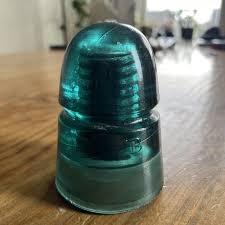
Vintage Antique Blue Green Aqua 1 on top Beehive G…
ebay.com
Related Items
Have an antique to identify?
Get an instant AI appraisal with values, history, and market insights.
Download for iPhone