Electrical Glass Insulator Value Guide
- Period
- 1920-1960
- Origin
- United States
- Materials
- Glass
- Category
- Glass insulator
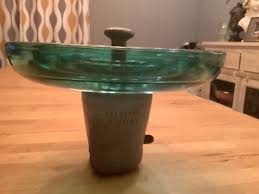
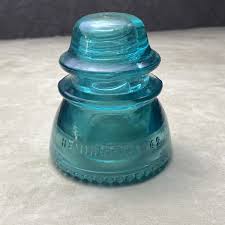
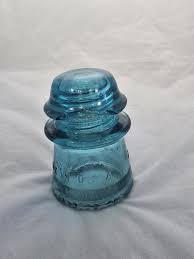
These teal and aqua glass insulators are iconic relics of American infrastructure, originally designed to isolate telegraph and power lines between 1920 and 1960. Their distinct industrial aesthetic and vibrant factory glass colors have made them highly sought-after pieces for repurposing into lighting and garden art.
What Is Electrical Glass Insulator Worth?
The typical price range for Electrical Glass Insulator is $50 - $125 based on recent sales. However, values can vary depending on the item's condition, rarity, and other factors such as:
- Rarity of the specific shape or 'CD' (Consolidated Design) number assigned by collectors.
- The clarity and vibrancy of the teal or aqua color, with deeper hues often commanding higher prices.
- Physical condition, specifically the absence of chips, 'flea bites,' or cracks from outdoor exposure.
- The presence of unique embossing errors or rare manufacturer marks from United States glassworks.
How to Identify Electrical Glass Insulator?
- Look for embossed manufacturer names or specific patent dates on the base or crown of the glass.
- Check for the characteristic teal or aqua tint consistent with early-to-mid 20th-century US factory glass production.
- Examine the internal threading and heavy glass weight designed to withstand high-voltage tension.
- Verify the presence of 'drip points' on the bottom rim, which were designed to shed rainwater.
History of Electrical Glass Insulator
Glass insulators were produced from the mid-19th century through the 20th century to support and electrically isolate telegraph, telephone and power lines. Makers in the United States and Europe mass-produced a wide variety of shapes and colors; aqua and teal shades are common from early- to mid-20th century factory glass. Collectors prize unusual shapes, colors, and manufacturer embossing. Many insulators have since been repurposed as decorative objects, lighting components, or garden art.
Shop Similar
Vintage high voltage Sediver EIV Glass Insulator 1…
ebay.ca · $410
DNR-002 - Surya | Rugs, Lighting, Pillows, Wall De…
surya.com · $430
Insulator Light Large Pyrex with Trafficlight Lens…
railroadware.com · $500
Vintage high voltage Sediver EIV Glass Insulator 1…
ebay.com
Amplifiers in Cat Supplies | eBay
ebay.com.sg
Blenko Candle Holders | eBay
ebay.com
Related Items
Have an antique to identify?
Get an instant AI appraisal with values, history, and market insights.
Download for iPhone