Glass Insulator Value & Price Guide
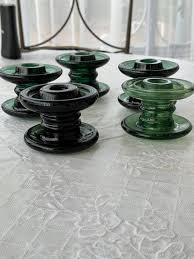
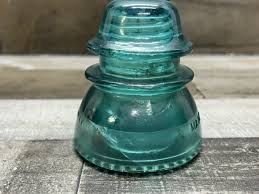
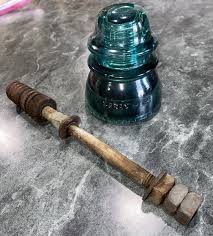
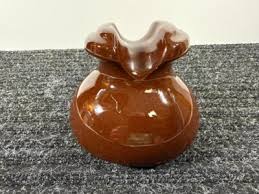
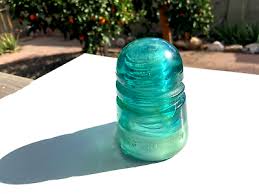
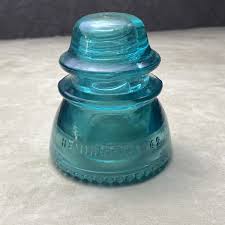
Glass insulators are iconic relics of the industrial age, originally designed to prevent electrical current leakage on telegraph and telephone lines. Today, these colorful artifacts are highly sought after by collectors for their unique shapes, vibrant hues, and historical significance.
Price Range: $15 - $24 based on recent sales
History of Glass Insulator
The production of glass insulators began in the mid-19th century to support the rapidly expanding telegraph network. As electrical grids and telephone lines spread across the country, manufacturers like the Hemingray Glass Company became industry leaders, producing billions of units in various designs to handle different voltages and weather conditions. By the mid-20th century, the industry shifted toward porcelain and polymer materials, rendering glass insulators obsolete for utility use. This transition turned these functional industrial components into popular collectibles, celebrated for their aesthetic appeal and their role in connecting the modern world.
Value Factors for Glass Insulator
The typical price range for Glass Insulator is $15 - $24 based on recent sales. However, values can vary depending on the item's condition, rarity, and other factors such as:
- Color rarity, with deep purples, ambers, and vibrant blues commanding much higher prices than common aqua or clear glass.
- The presence of unique manufacturing flaws, such as bubbles in the glass or 'milkiness,' which can add character and value.
- Historical significance of the embossing, including specific patent dates or rare company monograms.
- Overall physical condition, specifically the absence of cracks or significant 'train smoke' staining from old steam engines.
Tips for Buying Glass Insulator
- Check for the Consolidated Design (CD) number, which is a universal classification system used by collectors to identify specific shapes.
- Inspect the base and 'ears' for chips or 'flea bites,' as pristine condition significantly increases the market value.
- Verify the authenticity of rare colors like cobalt blue or amber, as some common clear insulators are artificially altered through irradiation.
- Look for embossed manufacturer names like Hemingray, Brookfield, or Whitall Tatum to establish provenance and age.
Items in This Collection
- Glass Electric Insulator
- Hemingray-42 Glass Insulator
- Hemingray Glass Insulator
- Lapp Insulator
- Brookfield Glass Insulator
- Hemingray 42 Insulator
- Electrical Insulator
- Hemingray 16 Glass Insulator
- Vintage Porcelain Insulator
- Electrical Glass Insulator
- Brookfield Beehive Insulator
- Glass Telegraph Insulator
- Hemingray-45 Glass Insulator
- Porcelain Spool Insulator
- Hemingray No. 9 Glass Insulator
- Whitall Tatum No. 1 Glass Insulator
- Hemingray 42 Clear Glass Insulator
- Whitall Tatum Co. No. 1 Glass Insulator
- Armstrong No. 2 Glass Insulator
- Hemingray 56 Glass Insulator
Have an antique to identify?
Get an instant AI appraisal with values, history, and market insights.
Download for iPhone