Hand Tool Value & Price Guide
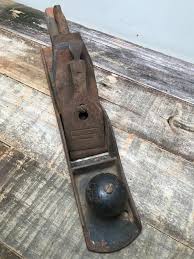
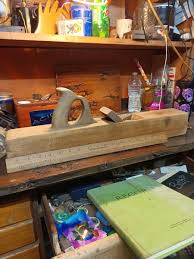
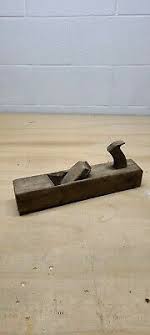
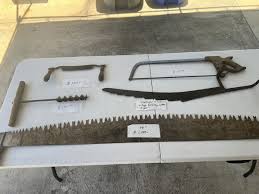
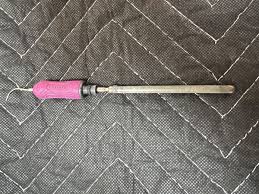
Antique hand tools represent a marriage of functional engineering and artisanal craftsmanship from the pre-industrial and early industrial eras. Collectors value these items not only for their historical significance but also for their enduring utility in modern woodworking and traditional trades.
Price Range: $40 - $70 based on recent sales
History of Hand Tool
The evolution of hand tools is a testament to the transition from localized blacksmithing to standardized industrial production. During the 19th century, companies like Stanley Rule & Level Co. revolutionized the market by introducing adjustable iron planes and precision-engineered boring tools that replaced traditional wooden-bodied implements. This era saw the peak of tool aesthetics, where functional items were often adorned with rosewood handles, brass fittings, and intricate cast-iron patterns. By the mid-20th century, the rise of power tools shifted hand tools from primary job-site essentials to specialized instruments for fine craftsmanship. Today, the legacy of brands like Stanley, Bailey, and Miller Falls continues through a robust secondary market where these durable relics are sought after by both tool historians and 'Galoot' woodworkers who prefer manual methods.
Value Factors for Hand Tool
The typical price range for Hand Tool is $40 - $70 based on recent sales. However, values can vary depending on the item's condition, rarity, and other factors such as:
- Maker Rarity: Tools from short-lived manufacturers or specific patent dates significantly increase market desirability.
- Condition and Completeness: The presence of original cutters, fences, and depth stops, especially on complex molding planes, is critical for valuation.
- Material Quality: Use of exotic woods like Brazilian Rosewood or high-grade tool steel adds a premium to the item's base price.
- Provenance and Markings: Clear, legible stamps from renowned makers or previous master craftsmen can elevate a tool from a utility item to a museum-grade collectible.
Tips for Buying Hand Tool
- Check for original manufacturer marks or 'Warranted Superior' medallions on saws to verify authenticity and age.
- Inspect wooden bodies of planes and spokeshaves for hairline cracks or signs of dry rot which can compromise structural integrity.
- Ensure mechanical components, such as the ratcheting mechanism on a Yankee push drill or the lead screw on a bit brace, operate smoothly without excessive play.
- Prioritize tools with original patina over those that have been aggressively over-polished or modified with modern replacement parts.
Items in This Collection
Have an antique to identify?
Get an instant AI appraisal with values, history, and market insights.
Download for iPhone