Invalid Feeder Cup Value Guide
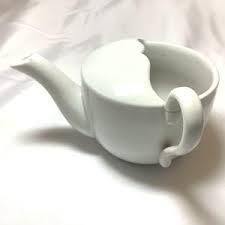
- Period
- 1880-1920
- Origin
- United Kingdom or Western Europe
- Materials
- Glazed Porcelain, Ceramic
- Category
- Invalid feeder
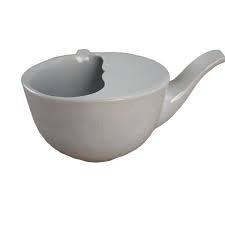
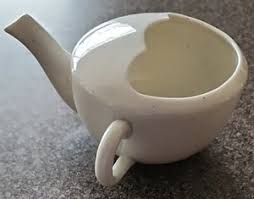
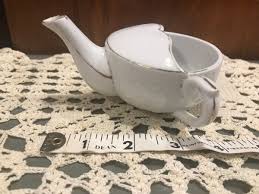
The Invalid Feeder Cup is a specialized medical relic from the late 19th and early 20th centuries, designed to provide liquid nourishment to bedridden patients or infants. These pieces are highly collectible for their unique silhouettes, featuring integrated handles and elongated, curved spouts that represent a significant era in domestic patient care.
What Is Invalid Feeder Cup Worth?
The typical price range for Invalid Feeder Cup is $50 - $60 based on recent sales. However, values can vary depending on the item's condition, rarity, and other factors such as:
- Condition of the glaze, as chips or staining from historical use can decrease the value from the $50-$60 range.
- Intactness of the spout, which is the most fragile part of the ceramic vessel and prone to hairline fractures.
- Presence of decorative patterns or manufacturer stamps from notable European potteries.
- Rarity of the specific shape, such as 'pap boat' variations versus standard cup-style feeders.
How to Identify Invalid Feeder Cup?
- Look for a distinctive long, curved spout designed to deliver liquids without the patient lifting their head.
- Examine the material for authentic white glazed porcelain or ceramic consistent with United Kingdom or Western European production between 1880 and 1920.
- Check for an integrated handle positioned opposite or perpendicular to the spout for steady one-handed operation.
- Identify any maker's marks on the base, though many utilitarian examples from this era remain unsigned.
History of Invalid Feeder Cup
Invalid feeders, sometimes called pap boats, were crucial medical and domestic items primarily used from the 18th to the mid-20th century. Their specialized design allowed caretakers to feed weak or bedridden patients liquid nourishment or thin gruel without requiring them to lift their heads significantly, preventing spillage and aspiration. They represent an important chapter in the history of patient care.
Shop Similar
Porcelain Invalid Feeder Infant Feeder - Etsy
etsy.com · $12
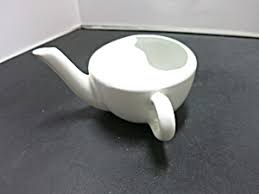
Sealmont Feeding Cup Invalid Feeder Ww1 Made In En…
tias.com · $40
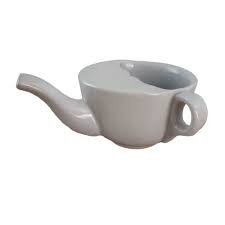
Prospect Hill Pottery Dale & Davis Ironstone Medic…
vintageloftusa.com · $175
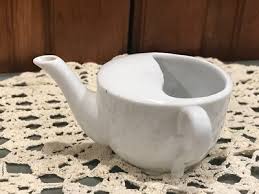
Antique Medical Porcelain Invalid/Infant Feeder Pa…
ebay.com
Antique Royal Ironstone China J.H.M Invalid Feeder…
ebay.com.my
Invalid Cup | eBay
ebay.com
Related Items
Have an antique to identify?
Get an instant AI appraisal with values, history, and market insights.
Download for iPhone