Invalid Feeder Value Guide
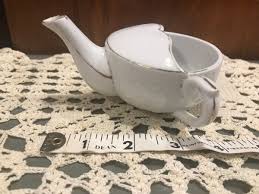
- Period
- 1900-1940
- Origin
- United Kingdom
- Materials
- Porcelain, gold
- Category
- Invalid feeder
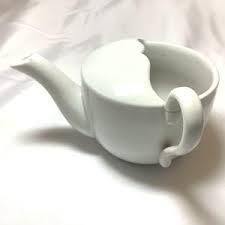
This white porcelain invalid feeder from the United Kingdom represents a specialized era of domestic medical care between 1900 and 1940. Featuring a refined gold stripe, these vessels were essential tools for caregivers to safely administer liquids or 'pap' to the elderly, infants, and the infirm.
What Is Invalid Feeder Worth?
The typical price range for Invalid Feeder is $20 - $30 based on recent sales. However, values can vary depending on the item's condition, rarity, and other factors such as:
- Condition of the gold stripe, as rubbing or loss of gilding can reduce the $20-$30 market value.
- Presence of manufacturer backstamps from notable United Kingdom potteries which can increase desirability.
- Structural integrity, specifically looking for chips or hairline fractures in the delicate porcelain spout.
- The purity of the white glaze, as staining from historical medicinal use can impact the aesthetic appeal for collectors.
How to Identify Invalid Feeder?
- Look for the distinctive teapot-like spout designed to control liquid flow without a lid.
- Examine the handle placement, typically set at a right angle or opposite the spout for ergonomic one-handed use.
- Verify the material is genuine porcelain with a hand-applied or transfer gold stripe accent common in early 20th-century UK manufacturing.
- Check for the absence of modern mass-production seams, indicating an authentic 1900-1940 construction.
History of Invalid Feeder
Invalid feeders, also known as pap boats or sick feeders, have been used for centuries to assist those who cannot easily drink from a standard cup. Early versions were often made from pottery or pewter, evolving into more refined porcelain designs in the 18th and 19th centuries. These specialized vessels allowed caregivers to administer nourishment or medicine safely and efficiently, preventing spills and making the process more comfortable for the patient. They represent an important aspect of historical domestic and medical care.
Shop Similar
Antique Medical Porcelain Invalid/Infant Feeder Pa…
ebay.com · $9
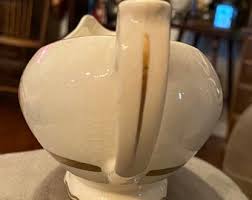
Vintage Decorative Floral Soup Boat From Keystone …
etsy.com · $20
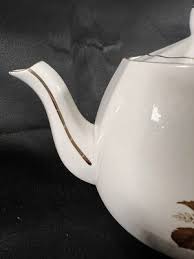
VIntage Ellgreave Wood & Sons Teapot Sunflowers Go…
ebay.com · $22
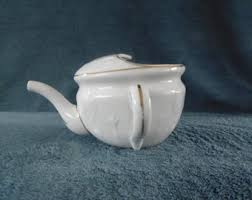
White Invalid Cup With Gold Edging 1940s - Etsy
etsy.com · $28
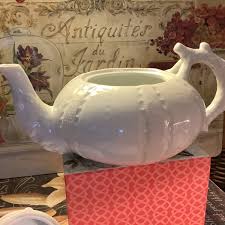
Solid White Teapot~Coral Shaped Handle & Top~9.5”L…
ebay.com · $47
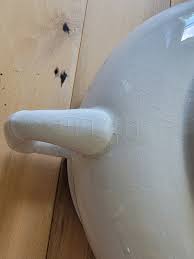
White Ironstone Chamber Pot Porcelain Opaque I. Da…
etsy.com · $460
Related Items
Have an antique to identify?
Get an instant AI appraisal with values, history, and market insights.
Download for iPhone