How much is my Lladro figurine worth?

By Ellen Whitlock ·
Most Lladró figurines are worth about $10 to $200, and medium retired pieces about $75 to $500. Large retired figures and groups reach the low thousands, and rare High Porcelain can pass $50,000. Condition matters most: a repaired break can cut value by half or more.
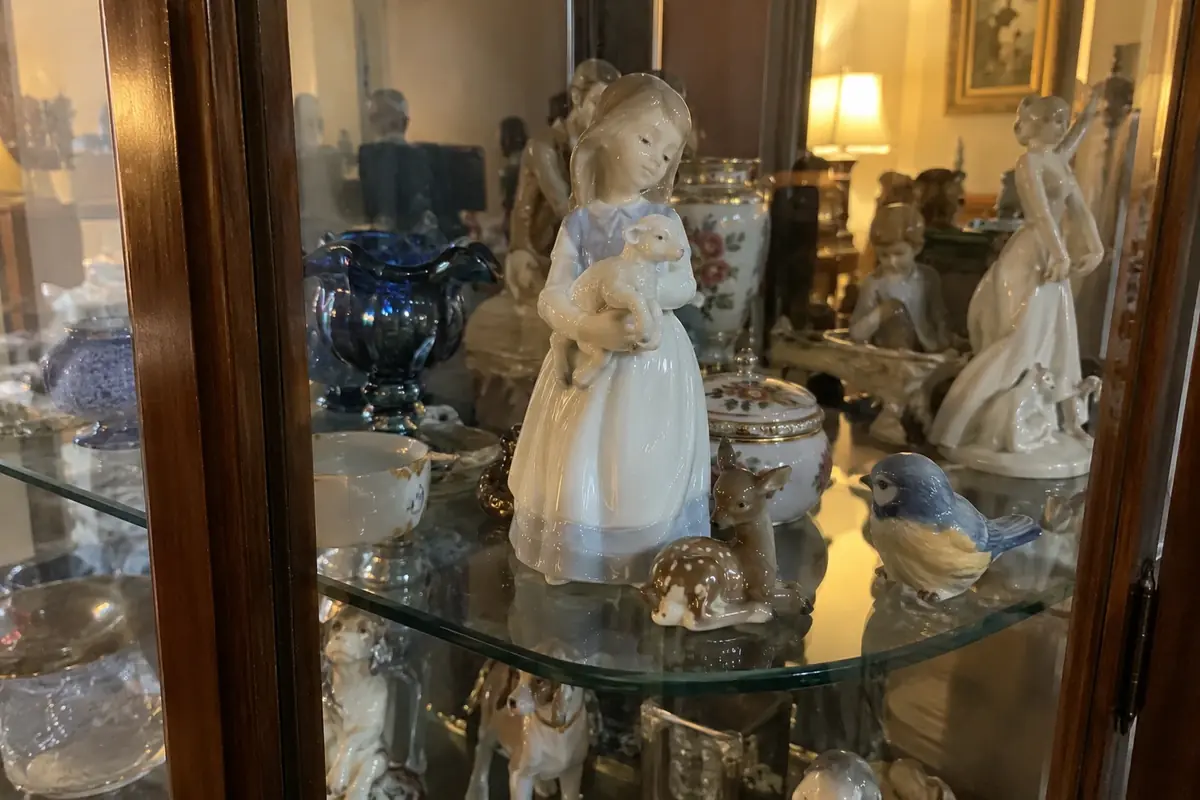
What is a Lladró figurine worth?
Most Lladró figurines are everyday pieces, and everyday pieces bring modest money. Where yours lands depends on whether it is retired, how large it is, and its condition.
| Type of piece | Typical value |
|---|---|
| Small, common figurinesSingle figures from current and recent production. | $10–$200 |
| Medium retired figurinesRetired pieces with standard detail; condition decides where one lands. | $75–$500 |
| Nao by LladróThe simpler, lower-priced line. | $10–$150 |
| Large or older retired single figuresIncludes Don Quixote pieces; size and condition matter most. | $200–$2,000 |
| Multi-figure groups, nativity sets and limited editionsFrom auction results, with groups at the top. | $500–$4,000 |
| Rare High Porcelain and elaborate scenesThe top of the range, from High Porcelain works and record auction examples. | $2,000–$65,000 |
Ranges blend price guides and auction results. Pieces still in current production tend to bring 30% to 60% of retail.
Barnebys auction results for single figurines mostly land between $30 and $150. The bigger numbers come from retired models, large groups and limited editions. Invaluable lists a figural couple at $4,392 and a Don Quixote piece at $2,300.
How to date a Lladró from the backstamp
Lladró began in 1953 and made its first figurines in 1956, so a mark that doesn't fit that timeline deserves a second look. Antique HQ traces the stamp from hand-drawn script to today's simplified bellflower. Turn yours over and match it.
| Backstamp | Years |
|---|---|
| Script · founding eraEarlyHand-drawn, with an extended underline on the L, "Valencia" and "Espanna" | 1953–1960 |
| Impressed · first markEarlyPressed into the base: Lladró with an underlined first letter, "Espanna" and "Made in Spain" | 1960–1963 |
| Impressed · second markEarlyLike the first, without the "Espanna" line | 1964–1970 |
| Blue stamp · bellflowerBlue-black stamp that introduced the bellflower; later versions add an accent over the O and "Hand Made in Spain" | 1971–1974 |
| Blue stamp · accented ÓBlue and black, with an accent over the O and a trademark symbol | 1974–1977 |
| Black stamp · DAISAAdds DAISA, Lladró's own holding company, a sign of an authentic piece | 1977–1984 |
| DAISA · copyright dateNearly identical, with a copyright date beside DAISA | 1984–1989 |
| Current · simplified bellflowerSimplified bellflower with redesigned lettering, still in use | 1990 on |
Some sources date the bellflower to 1974, so treat the early 1970s as a range. One guide puts pre-1970 pieces at $300 to $3,000 or more.
Then check your Lladró for these
- Find the model number. Authentic pieces have an impressed model number on the base, usually four or five digits.
- Look for a line scratched through the stamp. That marks a factory second, which is genuine but worth less.
- Note the finish. Gres is matte porcelain in muted colors, and Lladró introduced it in 1970.
- Check condition in good light. Look at fingers, petals and edges. In a darkened room, a black light makes many modern glues and touch-ups glow.
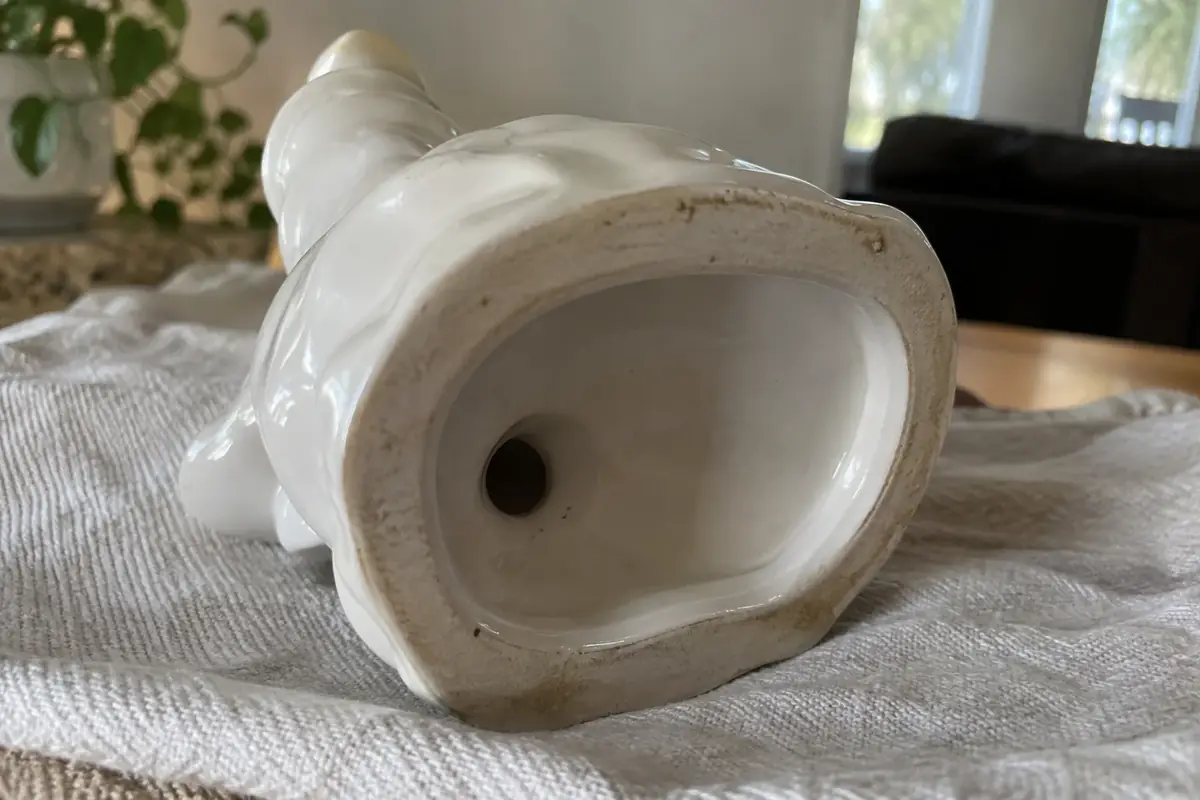
If the base shows another maker's stamp, the pottery marks index is a good next stop.
What makes one Lladró worth more than another
- Condition
- It is the single most important factor, and even minor damage counts. Lion & Unicorn says a broken finger or a repaired petal can cut value by 50% or more.
- Retired or current
- Retired designs generally bring more than figurines still in production. Angels run $50 to $200 while in production and up to $650 once retired.
- Size and groups
- Single characters are worth the least, and large multi-figure scenes the most. A figural couple group realized $4,392 in 2008, while the single figurine "Innocence" realized $1,100 in 2009.
- Limited editions
- Numbered and limited pieces bring more, as do designs by sculptors such as Antonio Ramos and Francisco Catalá. An edition number alone guarantees nothing: "Cinderella's Arrival", limited to 1,500 and sold with its wooden base and box, made £6,700 at Potteries Auctions, while "A Soft Refrain", limited to 1,000, made £550.
- The box
- The original dark blue box and numbered certificate carry the strongest premiums. Original packaging can add 20% to 30% over an identical figurine without it.
- Lladró or Nao
- Nao is a separate, simpler line from the same company, and it prices lower. A retired 1980s standard Lladró runs $75 to $400, against $20 to $100 for Nao in the same guide.
Where to sell a Lladró figurine
Match the venue to the piece: common 1980s and 1990s figurines move best on eBay. Rare, limited-edition, High Porcelain and multi-figure pieces suit an auction house, where specialist descriptions and competitive bidding improve exposure. A local dealer who buys outright will usually offer 25% to 40% of market value. If the same shelf holds Hummels, see the value of a Hummel.
Common Lladró questions
Are Lladró figurines worth anything?
Yes, most are worth a modest amount, but check the backstamp and the box before you write one off. Retired and limited pieces can bring $100 to $5,000 or more.
How can I tell how old my Lladró is?
Start with the backstamp, then the model number. One guide says the four-digit number was added to the base in 1986, and before that it was on the original box.
What is the difference between Lladró and Nao?
Nao is the company's simpler, lower-priced line, so it usually sells below a standard Lladró. It began in 1968 under the name Rosal.
Does a chip or repair really matter?
Yes, and a chip on the face or hands costs the most. One guide takes 60% to 75% off for that, against 30% to 50% for a chip in a less visible spot.
Which Lladró figurines are worth the most?
Rare High Porcelain and elaborate scenes. The record examples are "18th Century Coach" and "A Grand Adventure".