Glass Radio Strain Insulator Value Guide
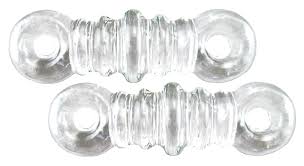
- Period
- 1920-1950
- Origin
- United States
- Materials
- Glass
- Category
- Glass insulator
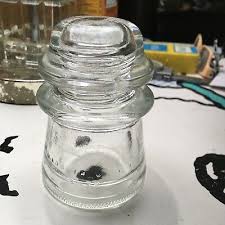
Glass radio strain insulators are essential artifacts from the early era of telegraphy and radio broadcasting, serving as both electrical isolators and mechanical supports. These American-made components are highly collectible due to their distinct ribbed geometry and their historical role in maintaining signal integrity for vintage antenna systems.
What Is Glass Radio Strain Insulator Worth?
The typical price range for Glass Radio Strain Insulator is $25 - $25 based on recent sales. However, values can vary depending on the item's condition, rarity, and other factors such as:
- Condition of the glass, specifically the absence of chips or cracks in the loops and ribs.
- Clarity and color of the glass, with clear examples being standard and rare tints commanding higher prices.
- Presence of original manufacturer branding, which significantly increases historical value to collectors.
- Overall size and rib count, as specific variations are more sought after for display purposes.
How to Identify Glass Radio Strain Insulator?
- Look for a distinct ribbed body designed to increase the surface leakage path for better insulation.
- Check for dual loops at each end, which were used to secure antenna wires under high tension.
- Identify manufacturer marks such as 'Pyrex' or other period-specific glass company logos embossed on the surface.
- Verify the material is heavy, durable glass typical of United States production between 1920 and 1950.
History of Glass Radio Strain Insulator
Glass strain insulators were critical components in early radio and telegraph systems, designed to isolate antenna wires from their supports while bearing the tension of the wires. These ribbed designs increased the surface leakage path, improving insulation effectiveness, especially in wet conditions. Brands like Pyrex were known for their robust glass, making these insulators durable and long-lasting in demanding outdoor environments. Today, they are prized by collectors for their historical significance and aesthetic appeal.
Shop Similar
DX Engineering Glass Antenna Insulators DXE-TGI-2
dxengineering.com · $16
![JP (Pyrex) [180Lx48Dx130CC-JP-Pyrex] : CASA Modular!, The ...](https://site-cdn.tryrelic.app/antiques/glass-radio-strain-insulator/1.jpg)
JP (Pyrex) [180Lx48Dx130CC-JP-Pyrex] : CASA Modula…
casamodularsystems.com · $22
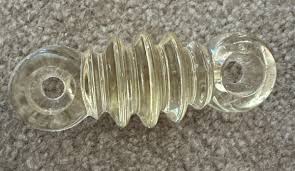
PYREX 3.75” Clear Glass Coil Ribbed Insulator Stra…
ebay.com
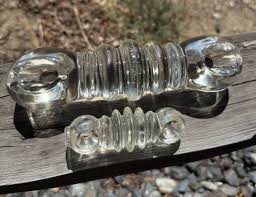
Huge 7.5” Pyrex Made In USA Radio Strain Insulator…
ebay.com
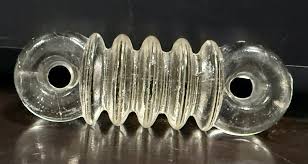
Antique Radio Strain Coil Insulator - 3" x 1" Ribs…
ebay.com
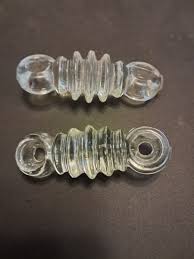
Vintage Glass Insulators 3.5" And 4" | eBay
ebay.com
Related Items
![Vtg HEMINGRAY No. 12 Aqua Glass Insulator - Patent May 2, 1893 [O2] | eBay](https://site-cdn.tryrelic.app/antiques/hemingray-no-12-glass-insulator/0.jpg)
Have an antique to identify?
Get an instant AI appraisal with values, history, and market insights.
Download for iPhone