Screw-in Porcelain Insulator Value Guide
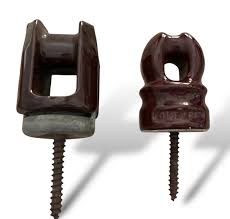
- Period
- 1900-1950
- Origin
- United States
- Materials
- porcelain, steel
- Category
- Porcelain insulator
These screw-in porcelain insulators were vital components of early 20th-century American electrical infrastructure, specifically designed for telegraph and telephone lines. Their transition from glass to porcelain marked a significant advancement in durability and resistance to environmental stressors like extreme temperature shifts.
What Is Screw-in Porcelain Insulator Worth?
The typical price range for Screw-in Porcelain Insulator is $10 - $20 based on recent sales. However, values can vary depending on the item's condition, rarity, and other factors such as:
- Condition of the porcelain glaze, with chips or 'flea bites' significantly reducing the $10-$20 market value.
- The integrity of the steel screw, as heavy rusting or threading damage impacts the item's display potential.
- Rarity of specific manufacturer stamps or unique color variations within the standard brown glazing.
- Historical provenance or evidence of use in specific early 1900s regional power grids.
How to Identify Screw-in Porcelain Insulator?
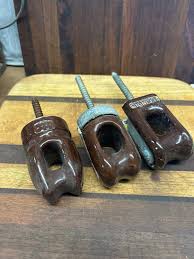
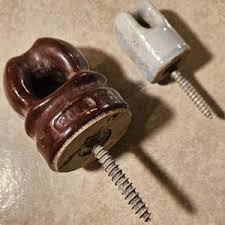
- Look for a deep brown glazed finish characteristic of early 20th-century American porcelain production.
- Examine the integrated steel screw base which was designed for direct installation into wooden utility poles or crossarms.
- Check for manufacturer marks or embossed numbers often found on the crown or base of the porcelain body.
- Verify the presence of internal threading or a specific groove shape intended to secure early telegraph or power wires.
History of Screw-in Porcelain Insulator
Porcelain insulators have been essential components of electrical transmission and distribution systems since the late 19th century. They provided the necessary insulation to prevent electrical current from escaping into the support structures, such as utility poles, ensuring safe and efficient power delivery. Early insulators were often made from glass, but porcelain quickly became favored for its superior strength, durability, and resistance to environmental factors like rain and temperature changes. Screw-in insulators like this one were commonly used for telegraph, telephone, and early power lines, allowing for easy installation directly into wooden poles or crossarms. These robust devices played a critical role in the expansion of electrical infrastructure, bringing light and power to communities worldwide.
Shop Similar
Related Items

Have an antique to identify?
Get an instant AI appraisal with values, history, and market insights.
Download for iPhone